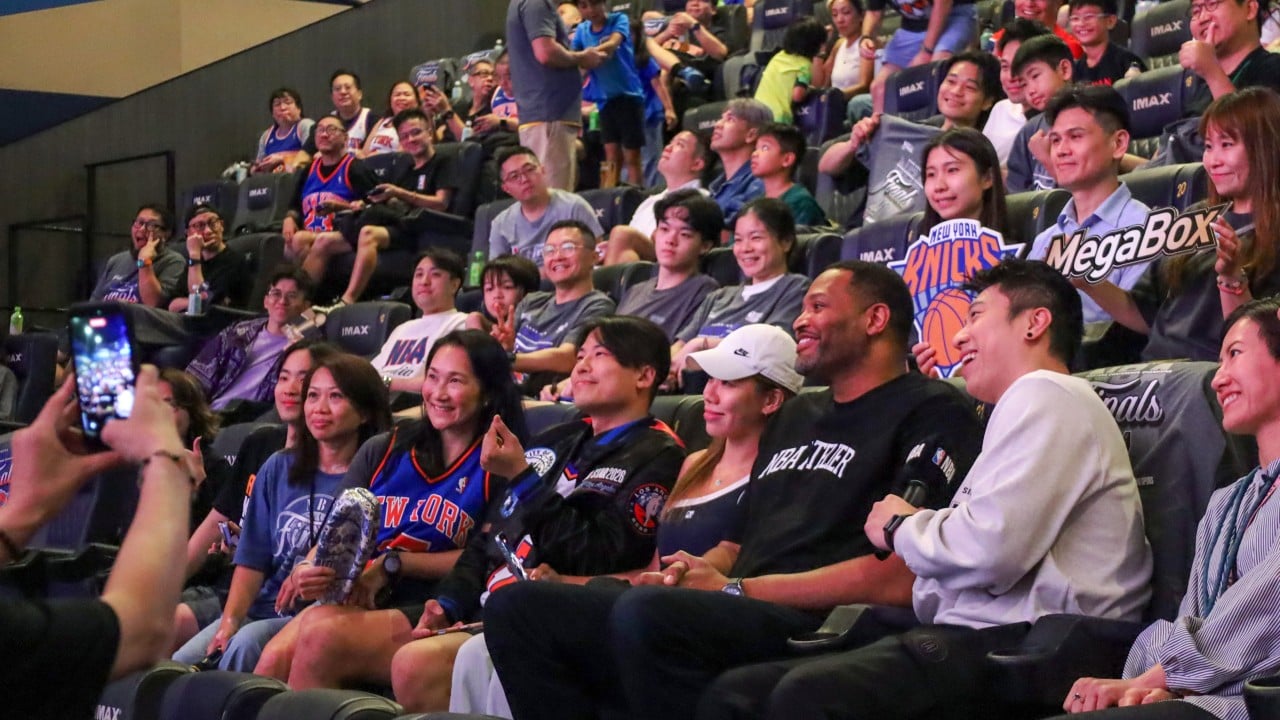
The clock on the wall reads 4:15 AM. Outside, the neon signs of Mong Kok hum against a thick, humid pre-dawn drizzle. Most of the city is fast asleep, tucked away in high-rise apartments while the harbor quietly ebbs. But inside a cramped, dimly lit sports bar packed to the absolute limit, nobody is blinking. Sweat sticks to jersey fabric. The air smells of stale beer, cold french fries, and collective anxiety.
Suddenly, a sound ruptures the night.
It is a roar so primal, so fierce, that it shakes the glass panes facing the street. Total strangers are throwing their arms around each other. Grown men are weeping into their overpriced IPAs. On the massive television screen hanging above the bar, the final buzzer has just sounded thousands of miles away in New York City.
The New York Knicks are the NBA champions. Finally.
To the casual observer, this scene makes zero logical sense. Why are hundreds of people in a subtropical metropolis on the south coast of China losing their minds over a basketball team from Manhattan at an hour when they should be preparing for their morning commutes? The answer does not live in statistics, box scores, or analytical breakdowns. It lives in the strange, beautiful alchemy of human longing, shared suffering, and a loyalty that defies both geography and time.
The Geography of Obsession
To understand why this moment matters, you have to understand the sheer weight of fifty years.
Half a century. Five decades of false dawns, draft-lottery heartbreaks, catastrophic management decisions, and the persistent, mocking chant of rival fanbases. For fifty years, being a Knicks fan was less of a sporting preference and more of a spiritual sentence. It meant signing up for a masterclass in hope followed by immediate, crushing disappointment.
Now, imagine carrying that emotional baggage while living twelve time zones away.
Consider a hypothetical fan named Jayson. He is forty-two years old, works in logistics in Kowloon, and has never set foot in Madison Square Garden. He fell in love with the orange and blue in the mid-1990s, an era defined by bruised ribs, floor-burns, and Patrick Ewing’s desperate, agonizingly close playoff runs. Jayson’s fandom required a bizarre, monastic commitment. In Hong Kong, watching the NBA means transforming your entire lifestyle. It means waking up at 7:30 AM on weekends to catch a live broadcast, or sneakily refreshing play-by-play text feeds under your desk during a Tuesday morning corporate meeting.
It means living a bifurcated existence where your internal clock is permanently tuned to the Eastern Standard Time zone.
When the Knicks finally clinched the title, Jayson was in that Mong Kok bar, screaming until his throat went dry. For him, and for the hundreds of others squeezed shoulder-to-shoulder in similar venues across the city, this victory was a validation of every groggy morning, every ruined workday, and every time someone asked them, "Why do you care so much about a team that doesn't even know you exist?"
The Shared Language of Disappointment
Sports have an uncanny ability to create instant communities out of complete anomalies. Hong Kong is a city built on constant motion, hyper-efficiency, and relentless change. Yet, inside the spaces where these fans gather, time stands still. The shared history of New York basketball becomes a localized dialect.
When you mention the name "Charles Smith" to a Knicks fan, you don't need to explain further. They instantly picture the tragic sequence of blocked layups against the Bulls in 1993. Mention "The Trade," and they think of Carmelo Anthony. Mention the late 2010s, and a collective shudder passes through the room. This shared trauma is the glue. It creates an unspoken bond between the seventy-year-old grandfather who remembers the 1973 championship victory under Red Holzman and the twenty-something college student who only knows that era through grainy YouTube highlights.
During the final minutes of the game, the tension in the room was thick enough to cut with a knife. Every missed free throw provoked a synchronized gasp. Every defensive stop brought a flurry of frantic claps. The psychological stakes were incredibly high because deep down, every person in that room was waiting for the other shoe to drop. That is the conditioning of a five-decade drought. You don't believe it's real until the clock hits absolute zero.
Then, the release.
Catharsis is a heavy word, but it is the only one that fits. It is the feeling of a heavy weight suddenly evaporating from your chest. When the celebration erupted, it wasn't just about winning a trophy. It was the euphoric realization that the joke was finally over. The punchline had expired.
Why Distance Doesn't Matter
There is a cold, cynical way to look at modern sports. You can view it as a billion-dollar industry driven by corporate sponsorships, broadcasting rights, and merchandising opportunities. From that perspective, a fan in Hong Kong is just a data point on an international market expansion spreadsheet. A jersey sale. A streaming subscription.
But that cold metric fails to capture the soul of the phenomenon.
The human heart does not care about market demographics. Basketball is a global language because its core narratives are universally understood: the underdog story, the redemption arc, the beauty of selflessness, and the triumph of sheer willpower over adversity. When this specific Knicks roster took the floor, they didn't look like the glitzy, glamorous superstars of New York stereotypes. They played with a gritty, blue-collar desperation that resonated deeply with a Hong Kong audience that prides itself on the "Lion Rock Spirit"—that legendary, local work ethic defined by perseverance and resilience through tough times.
They saw themselves in the way the team defended. They saw their own daily struggles reflected in the relentless hustle for loose balls. The connection wasn't artificial; it was forged in a shared appreciation for survival.
The Long Walk Into the Morning Sun
As the clock inches toward 5:30 AM, the bar begins to empty out. The television screens have shifted to post-game interviews, the audio muted as the venue prepares to close its doors. The euphoria is settling into a deep, bone-weary exhaustion.
Outside, the city is beginning to wake up for real now. The first MTR trains are rumbling beneath the streets. Street cleaners are sweeping the pavement. Double-decker buses are pulling up to their stops, carrying early-shift workers toward the financial districts.
The fans step out of the bar and into the cool morning air, blinking against the graying sky. They are wearing rumpled jerseys, their eyes bloodshot from a mix of tears and sleeplessness. They look entirely out of place amidst the brewing rush hour.
Jayson walks toward the subway station, his phone buzzing constantly with messages from friends who couldn't make it out, or from fellow insomniacs celebrating across the globe. He has to be at his desk in less than four hours. He will be exhausted. His voice will be a raspy whisper. His productivity will almost certainly suffer.
But as he steps onto the escalator, a massive, unstoppable smile spreads across his face. For the first time in his adult life, he doesn't have to wait for next year. The long night is over, and the sun is finally coming up.