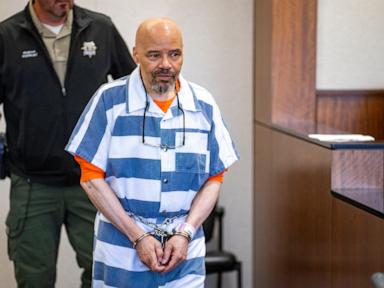
Florida is set to execute a 77-year-old man convicted of a 1995 murder, thrusting the complex intersection of advanced age, prolonged capital appeals, and Eighth Amendment jurisprudence back into the public square. This upcoming execution forces an uncomfortable examination of how the American penal system handles aging prisoners who have spent decades behind bars, often outliving the public resonance of their original crimes.
The impending lethal injection of an elderly inmate brings distinct legal and moral questions that standard capital punishment debates frequently gloss over. Decades separate the commission of the crime from the physical reality of the body scheduled for execution. The person facing the execution chamber today bears little biological or psychological resemblance to the individual who committed the homicide in the mid-1990s. This temporal chasm creates profound challenges for legal advocates, prosecutors, and the courts, who must weigh the state's interest in finality against the humanitarian implications of executing a man in his late seventies. For a deeper dive into this area, we suggest: this related article.
Capital punishment jurisprudence in the United States has historically carved out protections for specific vulnerable populations. Juveniles and individuals with intellectual disabilities are categorically exempt from execution based on evolving standards of decency. Yet, advanced age remains a gray area under federal constitutional law. While the Supreme Court has limited certain punishments for older prisoners—such as restrictions on life without parole for juvenile offenders—it has not established a chronological ceiling for the death penalty. Consequently, the fate of elderly death row inmates is left to state-level clemency boards, gubernatorial discretion, and narrow procedural appeals.
The mechanics of executing an elderly inmate introduce logistical hurdles that correctional facilities rarely publicize. Medical frailties, compromised veins, and chronic health conditions complicate the administration of lethal substances. Execution teams must navigate fragile physical states where standard protocols risk failure or unnecessary physical suffering, raising separate constitutional questions regarding cruel and unusual punishment. When the state straps a 77-year-old man to a gurney, the visual spectacle shifts from an exertion of sovereign power to a grim exercise in managing geriatric decline. For additional information on this issue, in-depth reporting can be read at TIME.
Opponents of capital punishment argue that executing individuals after decades of incarceration serves neither deterrence nor retribution. By the time a prisoner reaches their late seventies, the community that suffered the initial loss has transformed entirely, and the offender has spent the entirety of their productive adult life isolated from society. The penological justification weakens significantly over time. Conversely, victims' families often experience a distorted sense of closure, bound to a judicial timeline that drags on for generations before a final resolution is reached.
The lengthy appeals process is the primary driver behind aging death rows. Legal safeguards, designed to prevent the execution of an innocent person, routinely stretch across twenty or thirty years. Each motion, federal habeas petition, and clemency review adds years to the docket. The system is trapped in a structural paradox. To ensure constitutional accuracy, the courts must allow exhaustive review. Yet, that very thoroughness guarantees that the inmates remaining on death row will grow old, infirm, and disconnected from the original context of their offenses.
As the execution date approaches, legal teams typically file emergency stays focusing on competency, medical vulnerability, or claims of ineffective assistance of counsel during trial decades prior. Courts often deny these motions, holding that procedural bars outweigh late-stage revelations or humanitarian appeals based purely on biological age. The legal machine grinds forward, indifferent to the gray hair and failing organs of the condemned.
This case serves as a stark reminder of the long shadow cast by criminal sentences handed down decades ago. It exposes the friction between statutory law and human biology, challenging the legal system to justify an execution when the passage of time has fundamentally altered the subject of the state's retribution. The debate will not end with this execution. As more death row inmates cross into advanced age, the courts will face mounting pressure to address whether time itself renders capital punishment obsolete.