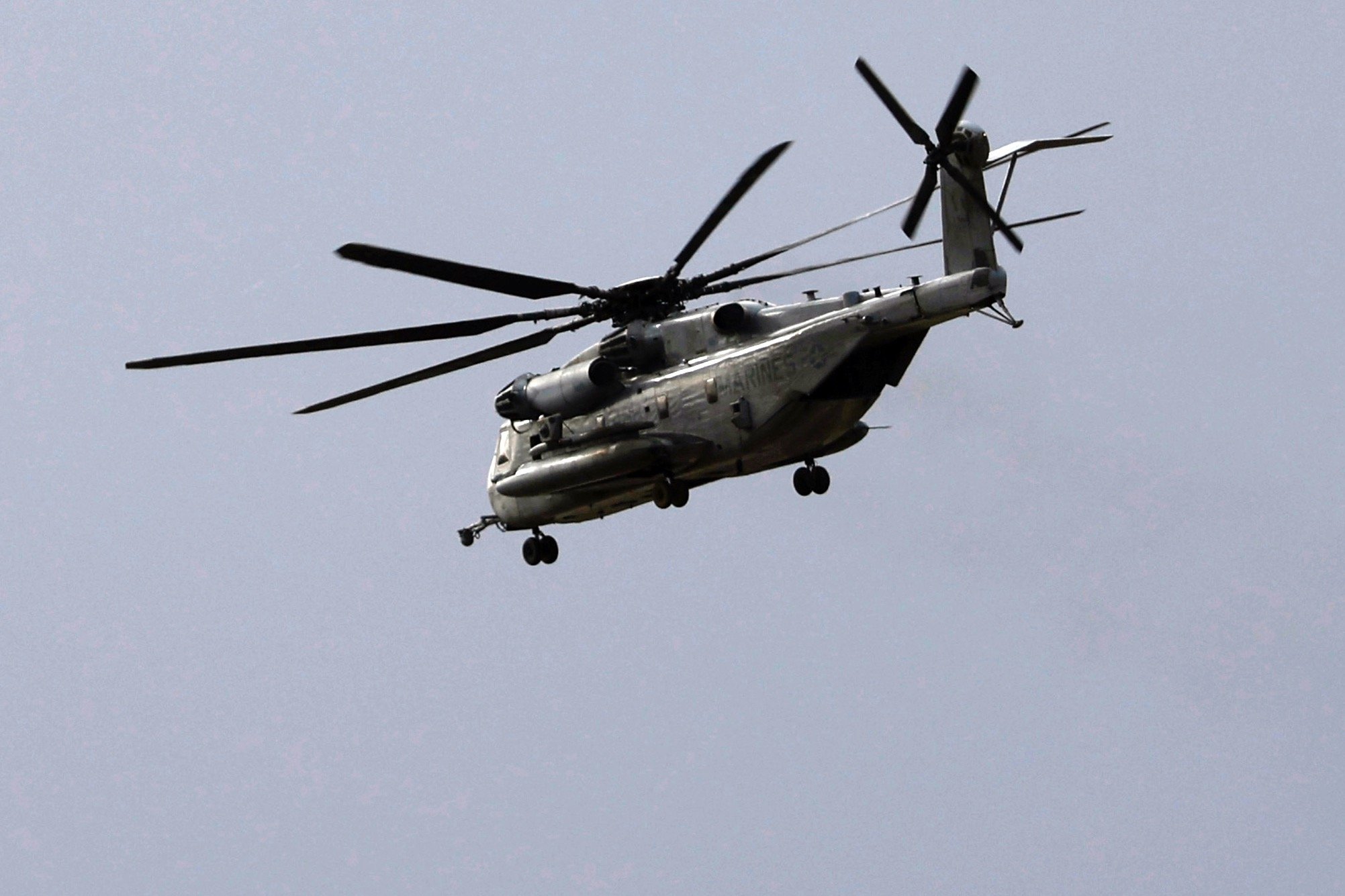
The scent of burnt kerosene is the perfume of the modern age. It hangs heavy over the tarmac at Heathrow, Charles de Gaulle, and Frankfurt—a sharp, acidic tang that signifies the world is moving. For decades, we have treated the availability of jet fuel like the availability of gravity. It is simply there. It is the invisible blood of global commerce, pumping through subterranean veins to keep the giant silver birds aloft.
But gravity doesn’t run out. Jet fuel does. For a more detailed analysis into this area, we suggest: this related article.
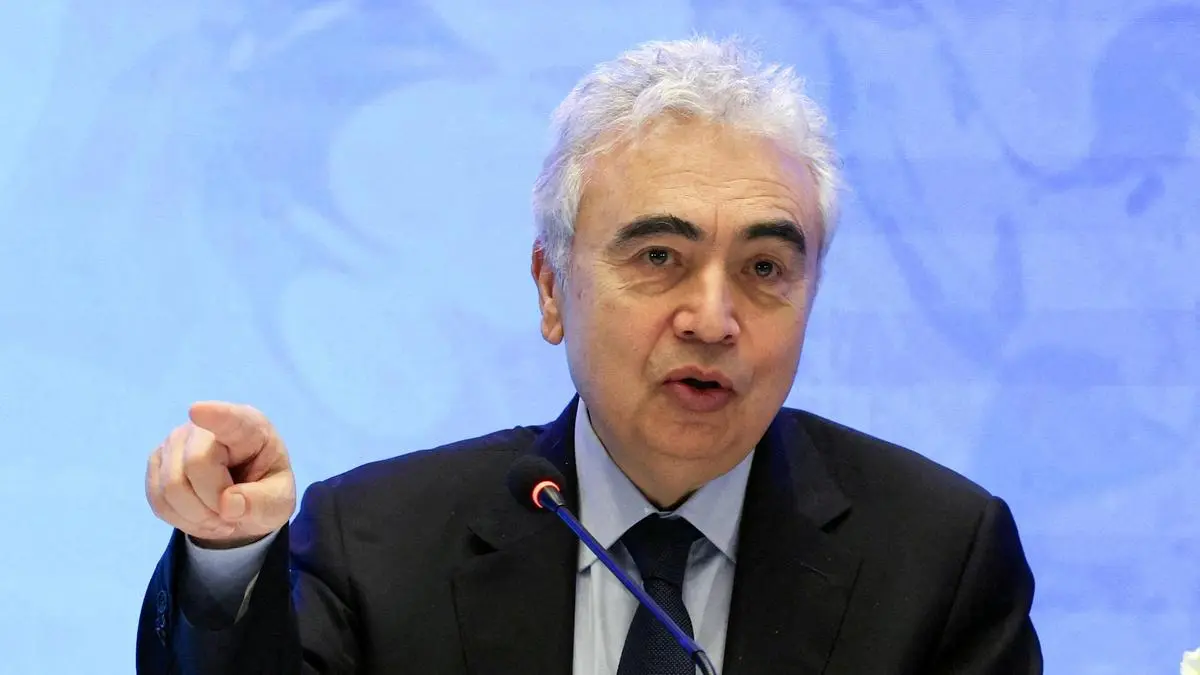
Fatih Birol, the man who watches the world’s energy pulse at the International Energy Agency, recently held up a metaphorical stopwatch. The message was stripped of its usual bureaucratic cushioning. Europe, he warned, is staring at a horizon that ends in roughly six weeks.
Six weeks. To get more details on this development, detailed analysis is available on USA Today.
That is not a long-term strategic forecast. It is the length of a summer holiday. It is the time it takes to break in a new pair of shoes or wait for a custom sofa to be delivered. If the taps were to seize tomorrow, the continent’s reserves would dry up before the leaves fully turn.
The Ghost in the Cockpit
Think of a pilot named Elena. She is sitting in the cockpit of an A320, going through a pre-flight checklist she could recite in her sleep. She checks the weather, the hydraulics, the cargo weight. But she never checks if the fuel exists. She checks how much she needs, assuming the airport’s hydrant system is a literal fountain of youth.
In Elena’s world, a fuel shortage isn't a line on a spreadsheet. It is the sudden, jarring realization that the 180 people sitting behind her, clutching duty-free bags and scrolling through downloaded movies, might be among the last to make this trip for a while.
When the supply chain tightens, the ripple doesn't start with a crash. It starts with a quiet conversation in a glass-walled office. It starts with "prioritization." Suddenly, the flight to visit a dying relative or a crucial business merger is weighed against the transport of life-saving medicine or high-priority mail. The sky, once the ultimate symbol of freedom, becomes a gated community.
The Invisible Pipe
We have lived through "just-in-time" logistics for so long that we’ve forgotten the "just" is a gamble. Europe’s energy architecture was built on a foundation of stability that has been cracked by geopolitical tectonic shifts.
The math is brutal. Europe produces very little of its own jet fuel. It relies on a sprawling, fragile network of refineries in the Middle East and Asia, and until recently, a steady flow from the East that has since been severed by conflict and sanctions. To understand the scale, consider that a single long-haul flight can burn through 100,000 liters of fuel. Multiply that by the thousands of flights crossing European airspace every day.
The logistics are a high-wire act. Fuel travels via pipeline, barge, and rail. If a single waterway dries up due to a heatwave—as we’ve seen with the Rhine—or a single refinery in a distant time zone goes offline for "maintenance," the buffer evaporates. Six weeks of stock is the energy equivalent of living paycheck to paycheck while your car is making a funny clicking sound.
It is a fragility we chose. We traded resilience for efficiency. We stopped building storage tanks because they were expensive to maintain and looked ugly on the horizon. We decided that the global market would always provide.
The Cost of a Grounded Continent
The economic impact of a "dry" Europe is often discussed in terms of GDP percentages, which is a sterile way of saying that people’s lives will stall.
Imagine the flower markets in Amsterdam. Those blooms arrive from Kenya and Ecuador on cargo planes fueled by the same kerosene that powers your vacation. If the fuel stops, the flowers rot in the hold. Think of the tech worker in Berlin whose entire supply chain for microchips relies on air freight to keep the assembly lines moving.
When the head of an energy agency uses words like "danger zone," he isn't trying to scare tourists. He is signaling to the markets that the margin for error has disappeared.
We often think of energy crises in terms of heating our homes or the price at the pump. Those are visceral. You feel the cold in your bones; you feel the sting in your wallet. But jet fuel is different. It is the fuel of connection. It is what allows a grandmother in Marseille to hold a newborn in New York. It is what allows a surgeon to fly across borders to perform a rare operation.
Without it, the world shrinks. Rapidly.
A System Running on Fumes
The irony is that we are caught between two worlds. On one side, we are desperately trying to transition to "Sustainable Aviation Fuel" (SAF). We want to fly on used cooking oil and synthetic carbon. It is a beautiful, necessary dream.
On the other side, we are failing to manage the crude reality of the present.
SAF currently accounts for less than one percent of global jet fuel use. You cannot run a continent on a fraction of a percent. The transition is a bridge we haven't finished building, yet we are already dismantling the old road behind us.
The six-week warning is a symptom of a larger malaise: a refusal to look at the plumbing of our civilization. We have become a society of "apps" and "interfaces," forgetting that under the digital veneer, we are still a species that moves physical things through physical space using physical energy.
The Silent Tarmac
Consider the sound of a city near a major hub. The low, constant hum of engines is the white noise of the 21st century. It is the sound of prosperity.
If the warning proves prophetic, that hum will fade. The silence wouldn't be peaceful. It would be the sound of a stalled economy. It would be the sound of broken promises and missed opportunities.
We are currently operating on the assumption that someone, somewhere, will find a way to keep the tanks full. We assume the "market" will rebalance. But the market cannot conjure molecules out of thin air. It requires ships to sail, refineries to crack crude, and pipelines to remain open.
There is a specific kind of vertigo that comes from realizing how thin the ice is. We look up at the white contrails crisscrossing the blue and see a permanent fixture of the sky. We forget that those lines are made of exhaust. We forget that the exhaust comes from a finite liquid, stored in finite tanks, governed by a finite timeline.
The clock is ticking. Not in years or decades, but in days. Forty-two of them, give or take.
The next time you hear a plane passing overhead, listen closer. It isn't just the sound of travel. It is the sound of a countdown. We are flying through a window that is slowly, steadily closing, hoping that we reach the other side before the engines find nothing but air.