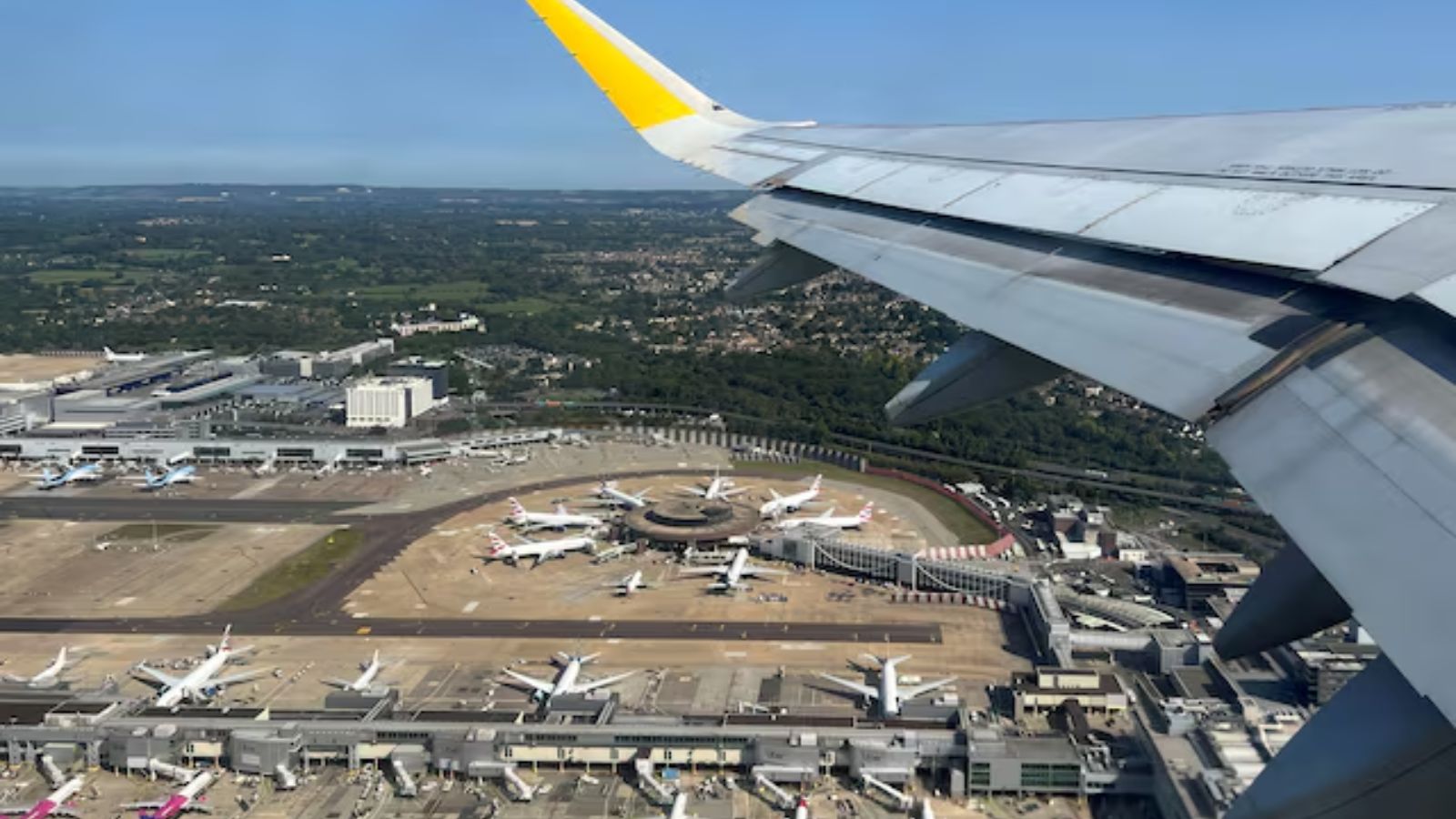
When the water pressure collapsed across London Gatwick Airport, the failure started miles away at a local treatment plant rather than inside the terminals. A sudden power outage at SES Water's Bough Beech facility choked off the flow to parts of Kent, Surrey, and Sussex, leaving Britain's second-busiest aviation hub without running water in both its North and South terminals. Toilets stopped flushing, handwashing stations ran dry, and commercial kitchens across dozens of bars and restaurants had to lock their doors because they could no longer safely operate.
Planes kept taking off, but the infrastructure supporting the passengers on the ground ground to a halt.
The Illusion of Terminal Resilience
Modern air transport hubs present themselves as self-contained micro-cities. They feature high-end shopping avenues, complex baggage handling networks, multi-story parking structures, and advanced digital logistics. Yet this entire superstructure rests on municipal utility lines that airports rarely own or control.
When a single regional water treatment plant loses power, an international airport serving millions of travelers can find itself paralyzed within minutes.
Passengers experienced a cascading series of inconveniences that quickly turned critical. With terminal toilets out of order, lines vanished into blocked corridors while travelers sought alternative facilities that did not exist. Restaurants and bars shut down not merely because they lacked ice or coffee water, but because health and safety regulations prohibit commercial food preparation without running water for sanitation.
Infrastructure Vulnerabilities in Peak Season
The timing could hardly have been worse. Summer holiday traffic was surging through both terminals, putting maximum pressure on every square foot of terminal capacity.
Airlines like easyJet and British Airways continued operating their flight schedules, meaning thousands of travelers still arrived, cleared security, and sat waiting for boarding calls. Without functioning food outlets or usable restrooms, the dwell time inside the airport transformed from a routine wait into an endurance test.
While airport staff scrambled to distribute bottled water, public response exposed the communication gaps inherent in sudden infrastructure failures. Some passengers reported receiving immediate support, while others wandered the concourses unaware of why the taps were dry. Social media feeds filled with complaints about locked washrooms and closed seating areas, prompting public figures stranded in the terminal to urge authorities to open shuttered restaurant spaces just to give people a place to sit.
The Cost of Depending on Legacy Networks
Utility companies face mounting scrutiny over the reliability of their regional networks. Regulators like Ofwat have previously flagged regional suppliers for lagging performance indicators, particularly regarding unplanned supply interruptions and aging electrical backup systems at treatment works.
When a local grid failure takes down a major treatment plant like Bough Beech, the shockwaves radiate far beyond residential streets. They hit critical national infrastructure nodes that lack adequate on-site water storage reservoirs to ride out a multi-hour municipal blackout.
Airports generate billions in economic activity and act as critical nodes for international mobility. Relying on external utility feeds without immediate secondary water buffers leaves terminals dangerously exposed to single points of failure miles outside airport perimeters.
Service eventually returned as SES Water brought the treatment works back online and pressure rebuilt across the regional network. Most toilet facilities reopened by evening, and food outlets prepared to resume normal trading for the next morning's flights.
The crisis passed, but the vulnerability remains built into the hidden pipes beneath the tarmac.


