Arrests alone don't explain what happens when French streets erupt. When headlines say thousands were taken into custody during French riots, people usually picture a single night of chaos. That's rarely how it actually plays out.
During the autumn 2026 unrest, mass detentions built up across weeks of school blockades, union strikes, and cost-of-living marches, hitting a major flashpoint around the October 17 nationwide demonstrations where around 1,800 arrests were reported alongside widespread looting and arson. Earlier waves of high school disruptions in late September and early October also racked up hundreds of detentions per day as clashes flared outside campuses and downtown squares. Meanwhile, you can read other developments here: Why Crenshaw Street Festival Security Keeps Getting Tested After Two Stabbings.
If you're trying to make sense of the numbers, you have to separate three distinct groups that get lumped together in fast-moving news cycles. Peaceful marchers make up the bulk of the crowds—sometimes hundreds of thousands nationwide—pushing over real grievances like inflation, fuel costs, and strained schools. Radical agitators and hooded factions show up looking for street battles with police. Opportunistic looters treat the chaos like a shopping spree.
How French Riots Escalate From Marches to Mass Detentions
Street anger in France rarely starts out looking like a riot. It usually begins with something concrete. To see the bigger picture, check out the detailed analysis by Reuters.
In September and October 2026, high school students and educators walked out over underfunding, staff shortages, and rough classroom conditions, shutting down or disrupting hundreds of lycées across the country. Soon enough, broader frustration over wages, high rents, and fuel prices pulled in trade unions and gilets jaunes activists.
Once a huge march converges on central boulevards or squares like Place de la République, crowd dynamics shift fast. Hooded groups push to the front or break off into side streets. Tear gas flies, barricades go up, and shopfronts get smashed. By the time police sweep neighborhoods or set up containment lines, arrests climb quickly—and plenty of people caught in kettles or nearby streets aren't the ones throwing projectiles.
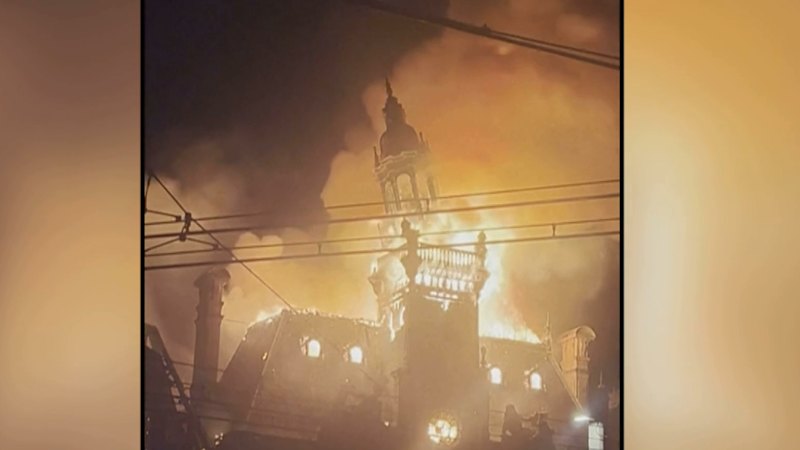
Look at what happened on October 17, 2026, as reported by outlets including The Guardian, BBC, and Reuters. Hundreds of thousands marched across France. Yet severe damage hit cities from Paris to Marseille, Lyon, Lille, and Limoges, where a historic town hall suffered major fire damage and hundreds of businesses were looted or damaged. Economy Minister Roland Lescure later put the weekend's damage estimate in the tens or potentially hundreds of millions of euros.
What Police Crowd Control Misses
Riot policing in France is built for containment and shock, not surgical precision. When hundreds of officers move in with batons, water cannons, and tear gas across dense urban grids, lines blur.
There's a sharp debate every time unrest hits. Officials, including President Emmanuel Macron and Interior Minister Laurent Nuñez, have pointed to violent far-left factions and delinquents exploiting marches while arguing police responses were largely proportionate. Critics, civil liberties advocates, and some opposition figures counter that heavy-handed tactics and fast-tracked court procedures sweep up bystanders, minors, and peaceful demonstrators—and fuel deeper distrust. Both things can be true at once: violent actors do wreck property, and broad arrests still create legal and social fallout.
The Real Causes Behind Unrest in France
Blaming every flare-up on a single villain makes for neat cable news, and terrible analysis. When you look at data from groups like the Armed Conflict Location & Event Data project (ACLED), France recorded well over a thousand protests and riots between mid-September and late October 2026 alone, driven by overlapping pressures around education, public services, and living costs.
Students aren't marching in the cold just for the thrill of it. When classrooms feel neglected and college admissions or future job prospects feel stacked against them, a spark doesn't take much effort to catch. Add squeezed household budgets, and a local grievance turns into a national flashpoint.
Why History Echoes in Every Wave
France has a long memory of street politics, from 1789 to May 1968 and the gilets jaunes movement. Protesting isn't seen by most French citizens as unpatriotic; it's often treated as a legitimate tool when people feel elected leaders aren't listening.
That history cuts both ways. Because street action is normalized as a way to force concessions—like government proposals around university admissions reforms after weeks of pressure—radicals know how to ride big marches for cover. Meanwhile, economic strain gives ordinary workers and young people plenty of reasons to show up, even if they want nothing to do with arson or looting.
What Arrest Numbers Actually Tell You
When you see a headline claiming thousands arrested, check three details before jumping to conclusions.
- Timeframe: Does that count cover one chaotic night, a single weekend of nationwide marches, or an entire month of school and strike actions?
- Charges versus detentions: Being detained at a police cordon isn't the same as being convicted of arson, assault, or looting. Fast-tracked hearings move cases quickly, though defense lawyers often flag rushed reviews.
- Geography: Downtown commercial districts and transit hubs see heavy clashes and looting, while outer suburbs or smaller cities sometimes face targeted attacks on municipal buildings or police posts.
Honestly, treating a single arrest total as a scorekeeper misses the bigger story. A high arrest count can mean police cracked down hard on widespread lawlessness, or it can show how stretched authorities get when hundreds of thousands are in the streets across dozens of cities at once.
Practical Steps If You're Following or Traveling During Unrest
If you live in France, follow the news closely, or plan to travel there during a protest wave, a few habits keep you safe and well-informed.
- Check local prefecture and transit advisories first. Authorities frequently close dozens of Métro stations, reroute buses, and ban gatherings around sensitive squares or schools.
- Don't linger near flashpoints. Places like Place de la République, major train stations, and heavy shopping corridors can shift from calm marches to tear gas and clashes in minutes.
- Cross-check crowd and arrest figures. Compare official interior ministry tallies, union estimates, and independent reporting rather than relying on a single viral social media clip.
- Build buffer time into travel. Strikes, roadblocks, and station closures ripple across rail, air, and local commutes even when you aren't near a demonstration.
Watch how politicians respond in the days after a big arrest wave—whether they address underlying cost-of-living and school pressures or just trade blame over street tactics—because that's what decides whether the streets cool down or flare up again next month.