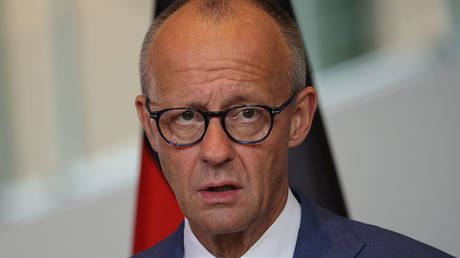
German Chancellor Friedrich Merz didn't pack his bags for New York, and that single scheduling change tells you everything you need to know about the current state of German politics. Instead of rubbing shoulders with world leaders at the United Nations General Assembly, Merz chose to stay locked in Berlin. When a sitting leader abandons a major international stage to hunker down at home, you can safely assume the fires are burning out of control.
The official line from government spokespeople was straightforward: his presence was urgently required in the capital. Behind closed doors, the reality was much messier. Plunging approval ratings, bruising regional election losses, and open panic within the Christian Democratic Union (CDU) forced the Chancellor to hit the emergency brake. Merz took office promising a swift economic turnaround and a sturdy wall against political extremes, but reality has proven far harsher than campaign slogans.
The Domestic Pressure Cooker
To understand why Merz skipped New York, you have to look at the scoreboard in domestic politics. The far-right Alternative for Germany (AfD) has been surging, scoring massive victories in regional contests like Saxony-Anhalt. Meanwhile, the traditional parties are bleeding support. Voters are frustrated with sluggish economic growth, stubborn energy costs, and an ongoing sense that Berlin is out of touch with everyday struggles.
Merz tried to push through heavy structural reforms to revive the country's industrial core, but these packages triggered widespread public pushback and fierce internal party friction. When local elections go sideways and your own party members start whispering about leadership vulnerability, flying halfway across the world for a diplomatic speech looks tone-deaf. Staying in Berlin wasn't just a scheduling preference; it was a desperate defensive maneuver to keep his coalition and his party from fracturing completely.
The Cost of Skipping the Global Stage
Opting out of the UN General Debate carries a heavy diplomatic price tag. Merz has struggled to cement his foreign policy footprint, and missing a prime opportunity to address the global assembly leaves a leadership vacuum on the international stage. Allies notice when Berlin turns inward. At a time when Europe faces intense geopolitical pressure regarding security architecture, energy vulnerability, and shifting alliances, Germany needs an active, confident voice abroad.
By grounding himself in Berlin, Merz signaled that his immediate survival takes precedence over international diplomacy. It projects vulnerability. Foreign capitals take note when a German chancellor is too politically weak at home to leave the country safely.
What Comes Next for the German Government
The cancellation of the New York trip highlights a core dilemma facing modern European leaders. How do you pursue long-term economic reforms and international obligations when your domestic approval ratings are sinking and voters are punishing mainstream parties at the ballot box?
Merz is digging in his heels, insisting that discipline and rapid implementation of agreed-upon policies will eventually win back public trust. Yet, time is running out. If the government cannot convince citizens that its economic strategy is working, staying home from global summits won't be enough to save them from a reckoning at the next national vote.