The wind does not negotiate. It screams off the Greenland ice sheet at a hundred miles an hour, scouring the bare rock of Thule, stripping paint from radar domes, and freezing exposed skin in seconds. Down in the bunkers of the northernmost American air base on Earth, the coffee is always hot, the fluorescence never turns off, and the radar operators watch blips drift across cold screens with a quiet, heavy alertness.
They are watching the Arctic thaw. Not just the physical ice—though that is melting into the dark North Atlantic at an alarming pace—but the geopolitical ice that has held the Western world frozen in a specific alignment since the end of the Second World War.
For decades, the math was simple. Europe provided the land and the geographic buffer; America provided the nuclear umbrella and the logistics. It was called NATO. A paper tiger, some cynics whispered in quiet rooms, pointing to defense budgets that fell short of targets and procurement delays that lasted decades. Yet it held. It held because beneath the bureaucratic friction and the endless summits in Brussels lay an unshakeable premise: nobody wanted to test the alternative.
Then came the ink on a piece of paper signed with Denmark.
To understand why that signature has rattled capitals from Washington to Copenhagen, you have to look past the official communiqués and step into the mind
The Iron Map and the Paper Tiger
news
*
The wind in Nuuk does not merely blow; it strips the warmth from your bones with the methodical efficiency of a surgeon. Standing on the frozen docks of Greenland’s capital, looking out toward a horizon where black water meets fractured ice, you realize why empires have always coveted this lonely mass of stone and glacier. It is an immense, white vault at the top of the world, guarding the pathways of tomorrow.
And right now, the key to that vault sits uneasily in Washington, D.C., dangling from a chain that is beginning to snap.
Consider what happened when the ink dried on the recent diplomatic arrangements between the United States and the autonomous government of Greenland, orchestrated with a quiet nod from Copenhagen. It was hailed in trade briefs as a triumph of strategic positioning. Rare earth minerals, critical supply chains, the eternal dance of geopolitical leverage. But beneath the celebratory handshakes in paneled boardrooms lies a deeper, more volatile friction.
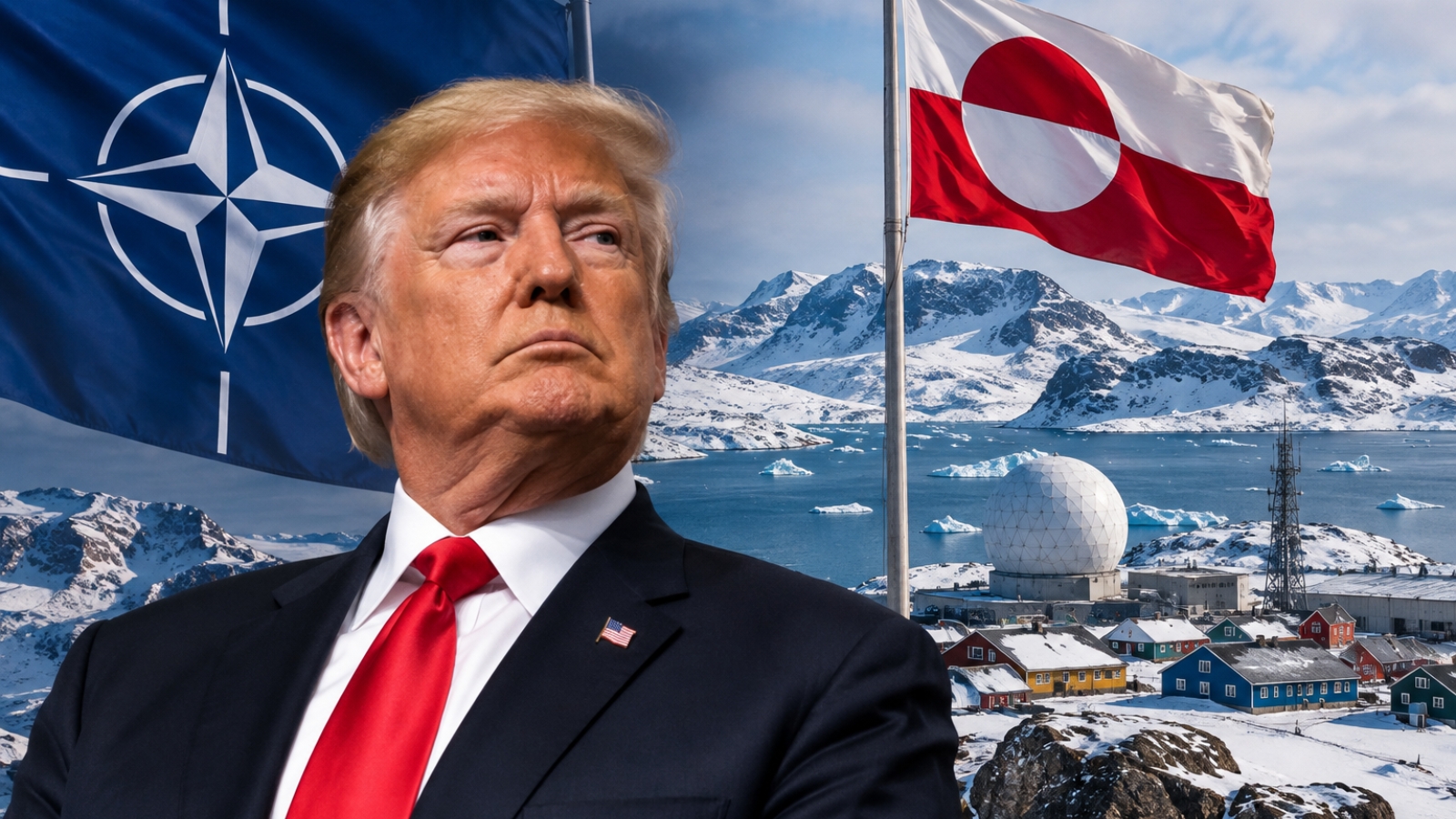
Donald Trump does not view alliances through the dusty lens of mid-century multilateralism. For him, the North Atlantic Treaty Organization has long worn the uncomfortable costume of a paper tiger—loud in rhetoric, heavy on bureaucracy, but dangerously brittle when the real winds begin to howl.
To understand why this matters, you have to step away from the maps in the Pentagon and look at a fishing boat bobbing in the Disko Bay. Imagine a seasoned local captain named Jens, whose family has chased halibut through these frigid waters for three generations. Jens doesn't care about articles of mutual defense or the arcane text of Article 5. He cares about the foreign container ships carving wider paths through the melting ice, and the sudden, unsettling hum of military radar installations humming to life on his ancestral hunting grounds. He watches the great powers circle his home like wolves eyeing a prize left out in the snow.
When the Greenland deal was struck, it wasn't just a bilateral pact over mining rights and radar stations. It was a stress test for the entire Western security architecture.
For decades, the transatlantic alliance operated on a simple bargain: America provides the nuclear umbrella and the heavy iron; Europe provides the geographic staging grounds and a shared commitment to democratic norms. But Washington’s current political engine operates on a different frequency. The prevailing sentiment inside the resurgent nationalist movement is transactional, unsentimental, and aggressively impatient. Why subsidize the security of nations that fail to pull their own weight? Why remain tethered to an institution where the parchment promises often outweigh the powder in the cannons?
The Greenland agreement acts as a lightning rod for this tension. By forging closer, direct ties with Nuuk—sidestepping traditional European middlemen when convenient—the United States signaled a willingness to bypass the old club rules. It whispered a provocative question into the arctic wind: What good is a global alliance if you can make bilateral deals on the frontier?
Denmark found itself caught in a historic bind. Copenhagen has historically viewed Greenland as a cherished autonomous territory, a crown jewel of its commonwealth identity. Yet, when the geopolitical gravity of Washington pulls hard enough, the smaller state bends or breaks. Danish diplomats worked frantically behind the scenes to ensure their seat wasn't entirely removed from the table, knowing full well that a superpower shopping for arctic real estate rarely waits for permission.
This is where the paper tiger metaphor ceases to be a mere insult and becomes a strategic hazard.
A paper tiger looks fierce until it gets wet. NATO, in the eyes of its harshest critics, looks unified until a member state pursues independent resource extraction and security architecture in the high north. If a leader like Trump decides that traditional alliances are cumbersome relics—anchor weights dragging down American agility in a new era of great power competition—the exit door stops looking locked and starts looking like an invitation.
Yet, exiting NATO is not like walking out of a bad business partnership. It is more akin to pulling a load-bearing pillar out of a cathedral built over seventy-five years. The structural collapse would be swift, chaotic, and felt from the Baltic states to the Taiwan Strait. Beijing and Moscow are watching this internal friction with undisguised glee. Every time a Western leader questions the utility of the alliance, an adversary smiles. Every time a bilateral deal bypasses collective frameworks, the mortar between the bricks crumbles a little more.
We are living through a profound transition of power, moving away from the comforting illusions of the post-Cold War consensus and back into the raw, unforgiving theater of raw statecraft.
Think of the arctic ice sheets themselves. For centuries, they seemed permanent, immutable, a frozen fortress protecting the status quo. Now, they are fracturing under the weight of a warming planet, opening up new maritime trade routes and exposing vast, untouched treasuries of nickel, lithium, and rare earths. The physical landscape is rewriting itself in real time.
Our political landscape is doing the exact same thing.
The Greenland deal is a symptom of this tectonic shift. It proves that nations will ultimately default to self-interest when the stakes are high enough. It proves that the old ways of doing business are dying beneath the weight of new pressures.
As the sun dips below the horizon in Nuuk, plunging the frozen fjords into months of twilight, the shadows stretch long and sharp across the snow. Somewhere in Washington, strategy papers are being shuffled, and the future of the Western alliance hangs in the balance, resting on whether leaders choose to mend the cage or let the tiger tear it apart.