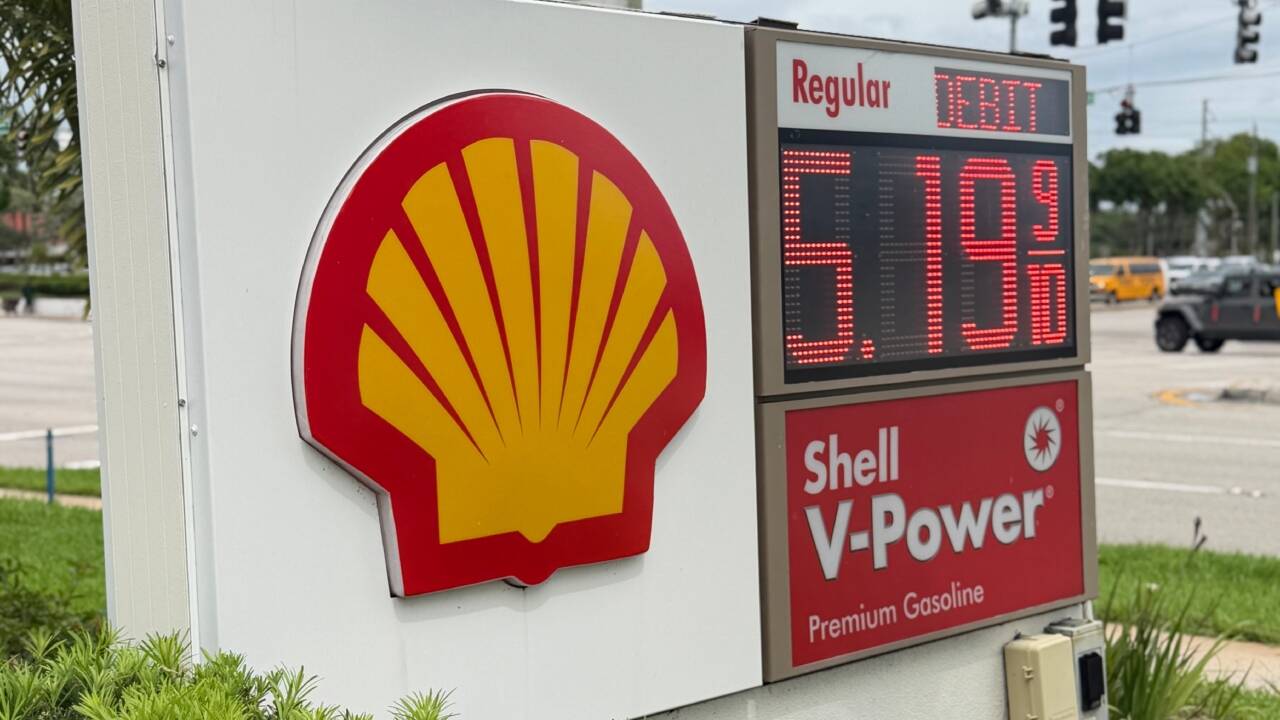
When retail gasoline breaches the five-dollar threshold in localized markets while state averages hover significantly lower, the public discourse typically defaults to accusations of price gouging or corporate greed. Yet, retail fuel pricing is a deterministic function driven by crude oil benchmarks, regional refining capacity, distribution logistics, and local station-level cost structures. Understanding why specific pumps spike while broader indices remain subdued requires deconstructing the economic machinery of the downstream petroleum market.
The Macro Foundation: Crude and Refining Margins
Crude oil remains the primary cost input for retail gasoline, typically accounting for more than half of the final price at the pump. Global supply shocks, geopolitical tensions affecting shipping lanes such as the Strait of Hormuz, and inventory drawdowns immediately reprice Brent and West Texas Intermediate futures.
However, crude is an intermediate input. The transformation from raw petroleum to finished motor gasoline occurs in refineries, where capacity constraints create bottlenecks. When refining margins (crack spreads) expand due to unexpected facility maintenance, seasonal switchovers from winter-blend to summer-blend fuel, or storm-related disruptions along the Gulf Coast, wholesale gasoline prices decouple from crude. Independent retailers absorb these wholesale fluctuations immediately, passing volatility down to the consumer.
Regional Disparities and Logistics Friction
Florida presents a unique logistical challenge due to its geographic shape and lack of in-state crude production or refining infrastructure. Nearly all refined product consumed in the state arrives via marine transport through ports like Tampa, Port Everglades, and Jacksonville, or via pipeline networks originating from the U.S. Gulf Coast refining hub.
This reliance on external supply lines introduces transportation and storage premiums. When maritime shipping costs rise or localized port congestion occurs, wholesale replenishment costs escalate unevenly. Metropolitan markets with high real estate and operational overhead, such as West Palm Beach or Miami Beach, exhibit higher baseline prices than rural panhandle markets due to municipal zoning costs, land acquisition expenses, and higher throughput volume management.
Station-Level Economics and Pricing Strategies
The anomaly of individual stations charging over five dollars while the state average remains lower exposes the mechanics of retail pricing strategies. Independent station owners operate on razor-thin margins for fuel, often using gasoline as a loss-leader to drive high-margin convenience store sales. Conversely, corporate-owned or major brand stations in high-traffic tourist corridors or immediate highway off-ramps capture captive audiences with inelastic demand.
Furthermore, payment processing costs dictate dual-pricing structures. Credit card interchange fees consume a substantial percentage of a station's gross margin on a gallon of fuel. Stations that list differential cash and credit prices—such as observed instances where regular fuel commands a significant premium for card users—are directly passing the transaction friction cost back to the consumer. When baseline wholesale costs surge, these stations adjust prices instantaneously to protect working capital and maintain cash flow necessary for truckload inventory replenishment.
Forecasting Retail Trajectories
Retail fuel prices will continue to track wholesale futures with an inherent lag determined by inventory turnover rates at individual terminals. Stations with low storage capacity turn over their inventory faster, forcing them to reprice existing stock immediately based on current replacement costs rather than historical acquisition costs. As long as supply-chain vulnerabilities and refining margins remain volatile, localized price spikes above the baseline average will persist as a standard feature of the retail energy landscape.
Monitor wholesale rack prices in the U.S. Gulf Coast region and track weekly petroleum inventory reports from the Energy Information Administration to anticipate retail price movements before they register at local pumps.