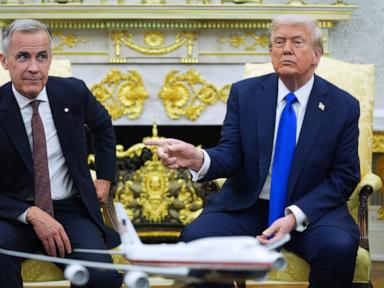
The political punditocracy loves a good meltdown. Every time a major summit rolls around, the mainstream press rolls out the exact same tired playbook. They pull out the magnifying glass, tally up every perceived slight, obsess over awkward handshakes, and catalog every blunt comment like they are tracking violations of high school cafeteria etiquette.
They tell you that diplomatic success is built on polite smiles, synchronized photo-ops, and rigid adherence to the state department script. They paint a picture where a single sharp word or an untied shoe could send global alliances spiraling into ruin. Learn more on a connected issue: this related article.
It is a comforting fantasy. It is also completely wrong.
The lazy consensus dominating international reporting fundamentally misunderstands how modern power dynamics operate. What the media breathlessly labels as "diplomatic disasters" or "unprecedented gaffes" are rarely accidental. In the brutal world of geopolitical negotiation, calculated friction is a feature, not a bug. The public posturing, the sharp rhetoric, and the refusal to play by the established rules of polite engagement are not signs of diplomatic failure. They are deliberate strategic tools used to reshape the negotiating table before the closed-door meetings even begin. Additional reporting by NBC News delves into comparable perspectives on this issue.
The Myth of the Fragile Alliance
Look at the conventional narrative surrounding international summits. The prevailing theory is that the global order is an incredibly delicate ecosystem. In this view, international partnerships are held together entirely by mutual affection and shared adherence to traditional protocol. If a leader criticizes a host country, questions a treaty, or cuts a press conference short, the pundits act as if decades of security cooperation are about to evaporate overnight.
This perspective ignores the cold, hard reality of international relations. Alliances do not exist because foreign leaders enjoy each other’s company at gala dinners. Alliances exist because of hard, cold, unyielding mutual interest.
Consider the North Atlantic Treaty Organization. Decades of institutional cooperation, intelligence sharing, hardware integration, and deeply entrenched bureaucratic structures do not vanish because a president complains about spending targets on social media. The structural foundations of global security run far deeper than the temporary mood of the individuals sitting in the ceremonial chairs.
When a leader disrupts the expected choreography of a summit, they are not acting out of ignorance. They are testing the structural integrity of the agreement. They are forcing their counterparts to defend their positions outside the comfort zone of pre-drafted communiqués. The establishment media views this disruption as a crisis because it breaks the predictable narrative rhythm they rely on. In reality, it is a stress test. And in the high-stakes world of global governance, stress tests reveal exactly where the real leverage lies.
Weaponized Unpredictability as a Negotiation Tactic
In traditional diplomacy, predictability is treated as the ultimate virtue. Staff spent months negotiating every comma in a joint statement. Every movement is choreographed; every statement is sanitized until it means absolutely nothing. This approach works beautifully if your goal is to maintain a stagnant status quo. It is entirely useless if your goal is to extract concessions or force a fundamental realignment of terms.
Enter the strategy of calculated unpredictability.
When a leader explicitly refuses to validate the standard script, they instantly shift the power dynamic. By keeping counterparts uncertain about their next move, they strip away the advantage held by entrenched political bureaucracies. If the other leaders at the table do not know whether you will sign a joint declaration or walk out of the room entirely, they cannot rely on their standard delaying tactics. They are forced to negotiate in real-time, under pressure, dealing with immediate realities rather than theoretical platitudes.
Imagine a scenario where a corporate CEO walks into a board meeting with a major supplier. The standard playbook says to exchange pleasantries, praise the long-standing partnership, and gently ask for a two percent price reduction. The supplier expects this, has a pre-packaged counter-offer ready, and the meeting ends in a predictable compromise that changes nothing. Now imagine the CEO skips the pleasantries, publicly calls the supplier's current pricing model absurd before the meeting even starts, and questions whether the contract should even be renewed. The supplier is instantly thrown off balance. The entire baseline of the negotiation has shifted.
This is not a failure of decorum. It is an aggressive, intentional repositioning. What looks like an awkward outburst to an outside observer is actually an opening gambit designed to force the other side to scramble.
The Public Galas Are Just Theater
To understand why the media's obsession with summit etiquette is so flawed, you have to look at how these international meetings actually function. The public-facing portion of a summit—the arrivals, the arrivals line, the group photos, the formal dinners—is pure theater. It is a performance staged for domestic audiences back home and international observers abroad.
The real work of diplomacy happens months in advance, carried out by teams of anonymous diplomats, policy experts, and national security advisors. By the time the heads of state actually arrive at the venue, the vast majority of the substantial agreements, trade frameworks, and security arrangements have already been hammered out, line by line.
The public interactions at the summit itself serve a completely different purpose. They are used to send signals, establish domestic political positioning, and set expectations. A leader who takes a hardline stance or projects an aggressive, uncompromising attitude in front of the cameras is often speaking directly to their voters back home. They are demonstrating that they are fighting for national interests rather than capitulating to global consensus.
The seasoned politicians on the receiving end of these public broadsides understand this perfectly. They do not take the rhetorical fireworks personally because they know it is part of the job. While the commentators on cable news are hyperventilating over a tense exchange on a tarmac, the actual advisors are sitting in a back room quietly finalizing the text of a bilateral trade agreement.
Dismantling the Consensus on Diplomatic Gaffes
The standard commentary relies on several flawed assumptions that need to be completely dismantled.
- Assumption 1: Politeness equals productivity. The media operates under the belief that smooth, pleasant meetings produce the best results. History says otherwise. Some of the most significant diplomatic breakthroughs have come after periods of intense friction, public posturing, and brinkmanship. Polite summits yield vague, toothless statements about "shared values." Friction yields concrete concessions.
- Assumption 2: Public disagreement damages national security. A public dispute over trade tariffs or defense spending does not compromise core intelligence-sharing networks or military readiness. The deep-state apparatus of major powers operates on a level of institutional necessity that is largely insulated from the rhetorical style of elected officials.
- Assumption 3: Protocol is sacred. Protocol exists to make international interactions predictable and manageable for the bureaucracies involved. When a leader deliberately breaks protocol, they are asserting that their national mandate supersedes institutional politeness. It is a demonstration of sovereignty, not a lack of manners.
The Cost of the Disruption Strategy
Taking a contrarian view does not mean ignoring the risks. The strategy of using public friction as leverage carries real, undeniable downsides.
When you constantly challenge the established rules of engagement, you burn through diplomatic goodwill. It forces your allies to spend political capital managing the public fallout of your actions rather than focusing on shared strategic goals. Over time, constant unpredictability can lead to a trust deficit. Allies might still work with you out of sheer necessity, but they will be far less likely to offer flexibility or benefit of the doubt during a genuine crisis when quick, unhesitating cooperation is required.
Furthermore, this approach requires an immense amount of structural power to execute successfully. A superpower can break protocol and use public insults as leverage because the other nations at the table cannot afford to walk away from the relationship. The market size, military might, and economic influence of a dominant global power create a massive margin for error. If a smaller, less influential nation tried to execute the exact same strategy, they would find themselves swiftly marginalized and excluded from the rooms where decisions are made. It is a luxury tactic reserved exclusively for those who hold the biggest chips at the table.
The Wrong Questions Driving Public Debate
The public is constantly being fed the wrong narrative because the commentators are asking the wrong questions. They ask, "How will this comment affect our relationship with our allies?" or "Was that interaction too aggressive?"
These are superficial questions that focus entirely on optics. The real question we should be asking is, "What specific concession was that disruption designed to achieve, and did it work?"
When you look past the media's obsession with manners and analyze summits through the lens of raw interest and leverage, the entire picture changes. The awkward pauses, the blunt tweets, and the sudden departures stop looking like erratic behavior. Instead, they reveal themselves as a highly visible, high-stakes form of political communication.
Stop looking at the smiles in the group photo. Look at what happens to the tariff rates, the defense budgets, and the trade flows six months after the cameras are turned off. That is where the real story is written. The rest is just noise for the gallery.