Darkness falls over emergency wards not because the sun went down, but because the generators have finally seized up. In Khan Younis and across the battered Gaza Strip, medical professionals are fighting a losing battle against a silent, preventable catastrophe. When you cut off the lifeblood of modern infrastructure—diesel, engine oil, and spare parts—even the largest remaining hospitals turn into holding rooms for the dying.
Grid electricity vanished completely after the military escalation began. Ever since, facilities like Nasser Hospital have relied entirely on industrial generators just to keep ventilators, incubators, and dialysis machines humming. But those engines require rigorous maintenance. Normally, generator oil gets swapped out every 250 operating hours. Today, technicians are forced to stretch those intervals to 1,000 hours because supplies are practically non-existent. The result is catastrophic mechanical failure, broken backup systems, and rotating power blackouts that leave critical care units vulnerable in the middle of emergency surgeries.
The Real Cost of Restricted Maintenance
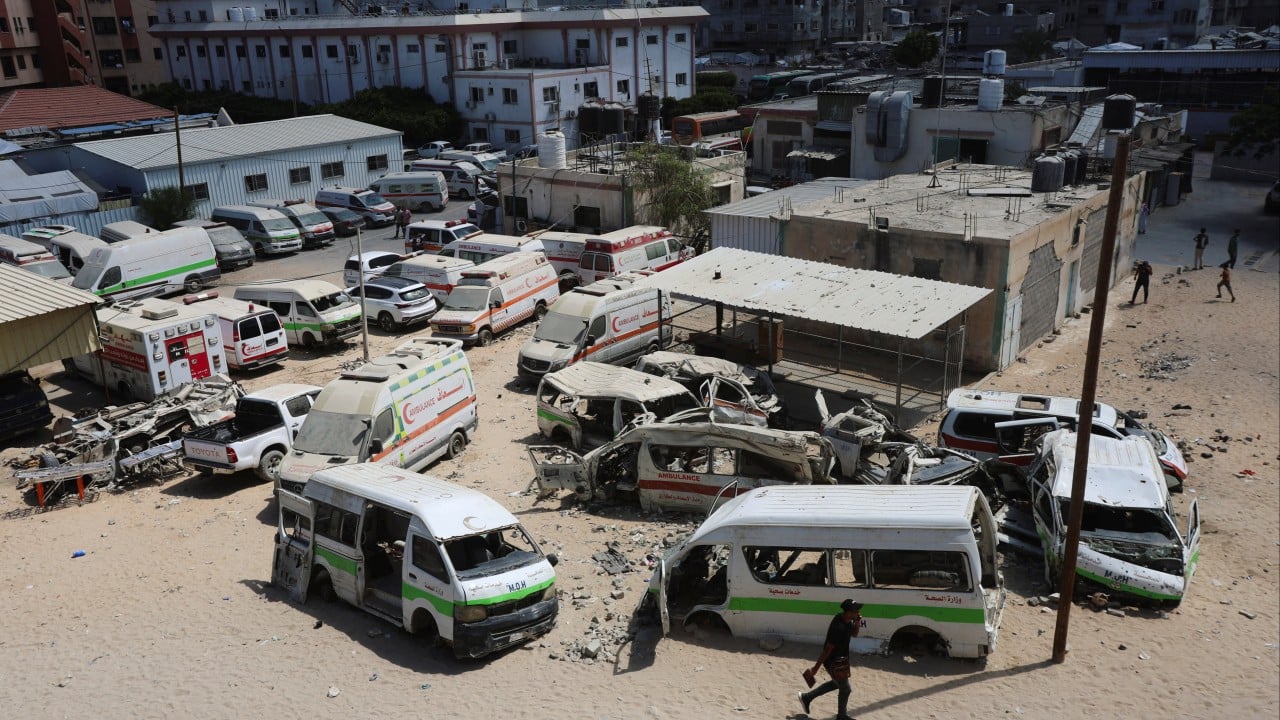
The crisis extends far beyond the operating room doors. Humanitarian groups like Médecins Sans Frontières report that restrictions on importing routine equipment, basic engine oil, and simple mechanical parts are dismantling the entire support network. Ambulances can't roll if their engines lack proper lubrication. Water pumps and purification units sit idle, heightening the risk of waterborne disease outbreaks among displaced families.
When humanitarian groups are forced to source materials on the local commercial market, prices skyrocket. Diesel and oil costs have spiked to extreme levels, pricing out ordinary citizens and crippled neighborhood micro-grids alike.
Inside the Neighborhood Generator Crisis
It isn't just major medical institutions feeling the squeeze. Two-thirds of Gaza's population remains concentrated in crowded displacement sites and damaged residential blocks. For everyday households, local private generators provided a vital few hours of power daily to charge phones, pump water to upper-floor apartments, or keep minimal refrigeration running.
Local operators who manage these neighborhood grids note that skyrocketing fuel and lubricant expenses have driven power prices up exponentially. Families are forced to choose between purchasing basic drinking water or paying for a few hours of dim electric light.
While regulatory bodies and international mechanisms ostensibly monitor and coordinate the entry of essential goods, the actual volume crossing checkpoints falls drastically short of daily survival requirements. Without an immediate, unhindered pipeline for engine oil, spare parts, and fuel, the fragile remnants of Gaza's civic infrastructure will completely flatline. Lives hang in the balance while the machinery powering basic human survival breaks down piece by piece.
Fuel shortages push Gaza's al-Aqsa hospital to breaking point
This video details the severe health emergencies and critical power shortages pushing medical facilities in central Gaza to their absolute limits.
http://googleusercontent.com/youtube_content/1