When an insult gets weaponized by millions of angry students, a government should worry. Prime Minister Narendra Modi built his entire political empire on social media dominance, digital wizardry, and carefully curated public adoration. Yet, his administration now faces an unexpected rebellion driven by internet humor, viral memes, and an insect moniker.
The uprising—popularly known as the Cockroach movement—did not start in smoky union halls or backroom political offices. It erupted directly from the digital ether after a series of catastrophic competitive exam leaks ruined the futures of millions of young Indians. When a judicial remark dismissively compared unemployed youth to cockroaches, students didn't cower. They embraced the label. They built the satirical Cockroach Janta Party (CJP), amassed millions of followers online, and took the fight straight to New Delhi's streets.
If you want to understand why this specific form of dissent is rattling the ruling establishment more than traditional opposition parties ever could, you have to look past the standard political playbook. This isn't just another street march. It's a full-scale culture war where Gen Z is beating the world's most image-conscious leader at his own game.
How Memes Replaced Traditional Dissent
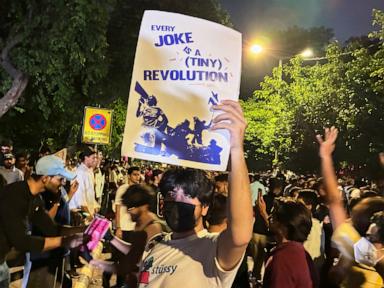
Older generations learned to keep their heads down, absorb economic hardship, and tolerate systemic failure. Gen Z Indians don't operate that way. When police batons, tear gas, and pellet guns met peaceful demonstrators in New Delhi, the response from protesters wasn't despair. It was content creation.
Clashes with law enforcement turned into viral social media material within minutes. Protesters posted videos joking about maintaining their daily Strava fitness streaks while sprinting away from police charges. Others edited footage of themselves dodging barricades to mirror the endless runner mobile game Subway Surfers. Young women posted "get ready with me" reels featuring helmets, goggles, and homemade protest gear before heading out to face the riot police.
This hyper-online strategy strips power away from the state's traditional methods of control. When state-aligned television anchors label demonstrators as foreign-funded conspirators, students respond with biting parody broadcasts that mock the dramatic tone of corporate media. They consume information in quick, punchy summaries, and they fight back using that exact same condensed medium. Every joke functions as a micro-revolt, chipping away at the rigid authority that Modi has spent decades cultivating.
The Breaking of a Long-Standing Taboo
For years, targeting Narendra Modi directly carried heavy professional and personal risks. Dissent was often met with swift crackdowns, and direct mockery of the prime minister remained rare even during massive past uprisings like the 2019 citizenship law demonstrations or the 2020 farmer strikes.
The Cockroach movement shattered that taboo entirely.
Modi's gestures, speech patterns, pauses, and mannerisms have been inverted into viral satirical edits. When the prime minister released a late-night selfie video attempting to calm public anger and promising legal action over leaked exams, the internet dismantled it instantly. A viral parody kept Modi's opening address calling the public "friends," only to cut sharply to young female students staring down the lens and declaring, "No, we are not".
By throwing Modi's own communication style right back at him, protesters are exposing the vulnerability beneath the strongman facade. They are refusing to accept hollow official rhetoric, pointing out that past promises went unfulfilled while millions scrambled for scarce economic opportunities.
Why the Exam Leaks Sparked an Explosion
The surface grievance is clear: institutional corruption. Millions of students spend years studying day and night for hyper-competitive national entrance examinations for medical programs and civil services. These exams represent the single viable escalator for upward social mobility in a tough economic landscape.
When question papers leak repeatedly and authorities are forced to cancel tests after students have already endured the grueling process, trust completely collapses. Activists have linked these recurring administrative failures to numerous student suicides, fueling an intense rage that goes far beyond a single ministry.
Protesters demand the resignation of Education Minister Dharmendra Pradhan, but the core ambition has expanded. People are exhausted by a political ecosystem that brands any valid internal criticism as anti-national behavior. When food delivery apps light up with orders as sympathetic citizens across India send meals and supplies directly to students camping at protest sites, it proves that public sentiment is shifting.
The aura of invincibility around the current administration is cracking. Whether or not the immediate policy demands are met in full, a generation has found its voice, learned how to organize horizontally, and realized that humor is a sharp enough weapon to pierce armor. Keep your eyes on how governments try to regulate digital spaces next, because the old rules of political control no longer apply when the public refuses to stop laughing.