The air inside the cabin smells of faint vanilla and damp asphalt. Outside, the streetlights of Washington, D.C., hum through a steady autumn drizzle, casting long, bruised streaks of yellow across the wet windshield. A Toyota Camry rolls to a smooth halt beside a brick townhouse. The notification chimes softly on the dashboard phone.
A passenger opens the door, shakes off an umbrella, and slides into the back seat.
"Rough night out there," the passenger says, settling in.
"It is," the driver replies. His voice is measured, carrying the faint, rhythmic cadence of a distant language wrapped in the disciplined English of a professional soldier. "Where are we heading?"
He checks the rearview mirror. In the dim reflection, his eyes are calm, steady, tired. These are eyes that once scanned maps illuminated by the green glow of tactical displays in Kabul, watching the slow, agonizing collapse of a nation in real time. They are eyes that looked out over the Panjshir Valley, over the dusty plains of Kandahar, over a military command structure buckling under the weight of political betrayal and sudden, brutal isolation.
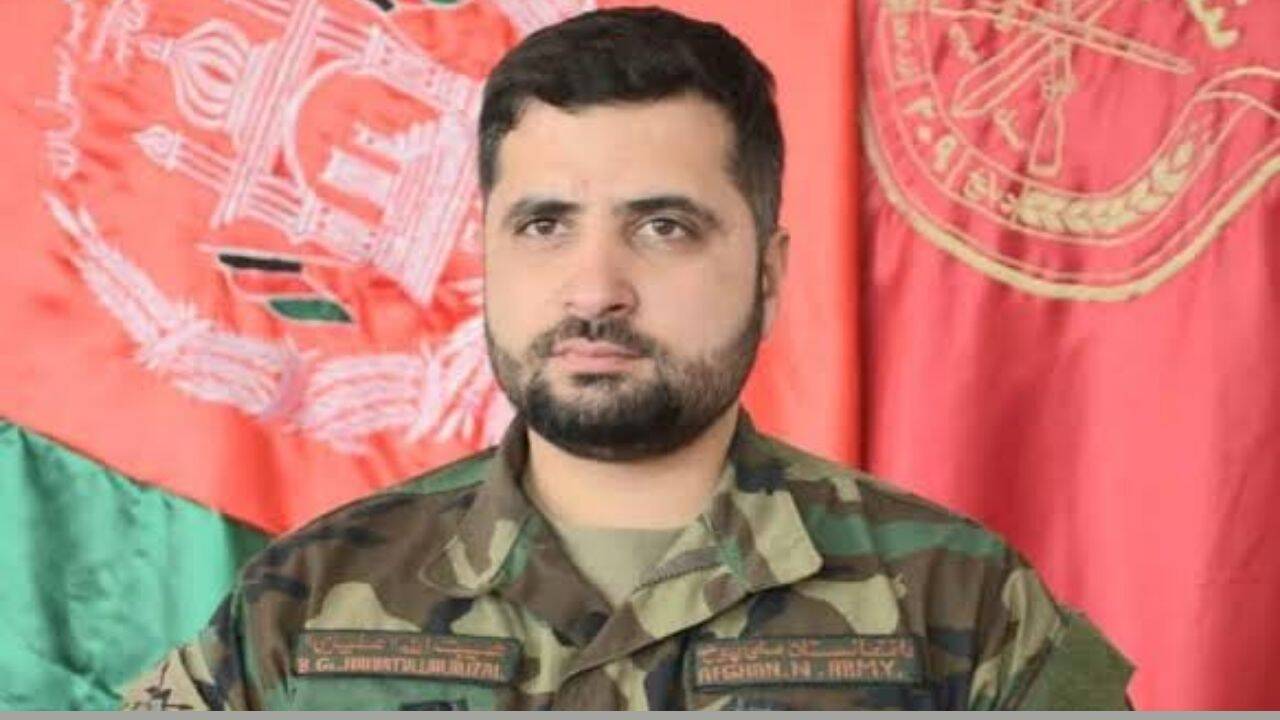
His name is Sami Sadat. Or at least, it was. Now, to the algorithm running the navigation app, he is just another rating, another profile picture, another vehicle moving ghost-like through the grid of the American capital.
History usually remembers the generals who march through triumphal arches. It rarely tracks the ones who navigate left turns onto K Street at two in the morning to pay rent.
To understand how a three-star general who commanded the Afghan National Army's 210th Corps ends up gripping a steering wheel for strangers, you have to travel back to the suffocating heat of August 2021. You have to remember the fractured maps. The sudden midnight departures. The empty embassies. While others packed their bags and fled the country on the first available transport as the Taliban rolled toward the capital, Sadat stayed. He was tasked with leading the final, desperate defense of Afghanistan.
He didn't sleep for days. He coordinated airstrikes from a makeshift operations center, rallied demoralized troops, and tried to hold a line against an adversary that seemed to bleed out of the desert itself. But courage and tactical brilliance cannot manufacture ammunition when the supply chains vanish overnight. They cannot sustain a frontline when the political roof caves in.
When the inevitable happened, Sadat became a target. A marked man with a price on his head, hunted by the regime he had spent his life fighting. Evacuation was not a luxury; it was a narrow, terrifying escape through the shadows.
And then came America.
Landing in a new country as a refugee is an exercise in total identity stripping. It does not matter if you were a brain surgeon, a university president, or a general officer commanding tens of thousands of troops. The bureaucracy looks at a blank slate. Credentials evaporate across international borders. Medals and honors turn into heavy metal trinkets rattling around the bottom of a cardboard moving box.
Washington D.C. is a city built on power. It hums with the electric current of senators, lobbyists, think-tank fellows, and defense contractors walking briskly through Georgetown and Capitol Hill. They debate the fate of nations over dry martinis and expensive steaks. They parse military strategy in air-conditioned conference rooms, dissecting the failure of the twenty-year war with the detached intellectualism of chess players reviewing a lost match.
General Sadat drives past those very buildings every single night.
He drops off staffers from the Pentagon. He picks up political consultants returning from late-night fundraisers. Sometimes, passengers chat on their phones about foreign policy, dropping his name or the names of his former comrades into casual conversation, completely unaware that the man steering their Prius or Camry through the traffic circle is the very subject of their academic curiosity.
There is a profound, surreal irony to it. He spent his life defending the geopolitical interests of the West, only to find himself navigating its suburban sprawl for fare-split pennies while waiting for his immigration status to clear, for his background checks to process, for the lumbering machinery of institutional recognition to acknowledge his existence.
Humility is not a choice for refugees. It is the floorboards.
Yet, talking to him, you find no bitterness. There is grief, certainly—a sharp, enduring sorrow for the soldiers he left behind, for the women and girls whose classrooms vanished into the dark, for a homeland now locked behind iron gates and medieval edicts. But self-pity is a luxury he discarded long ago.
"Driving Uber gives me time to think," he says, his hands resting easily on the wheel as the car cruises past the illuminated dome of the Capitol. "It lets me learn the city. It lets me see how normal people live here. In the army, you are insulated by guards, by staff, by rank. Here, I am face-to-face with America."
Consider the sheer psychological weight of that transition. To step from the absolute command of military battalions into the silent anonymity of the gig economy. Most people would break under the strain of such a vertical drop in status. We live in a culture obsessed with upward trajectory, with titles, with the accumulation of visible markers of success. When those markers are stripped away overnight, the ego screams for validation.
Sadat treats the steering wheel the way he once treated a tactical map. It is terrain to be managed. It is a mission to be completed safely. Every fare is an objective. Every shift is a watch.
The gig economy has become the strange, invisible safety net of the modern immigrant experience. It requires no resume history, no credential verification from foreign universities, no long bureaucratic waiting periods to get started. You turn on the app, and you work. For thousands of displaced professionals, doctors, engineers, and military officers scattered across Western cities, driving for ride-share apps or delivering food is the humiliating bridge between a life that was erased and a life that has not yet begun.
It is a silent army of former elites working in plain sight.
The Camry turns down a quiet residential street, its headlights sweeping across manicured lawns and sleeping houses. The app chimes again, signaling the end of the trip.
"We've arrived," Sadat says, his voice breaking the quiet hum of the heater.
The passenger checks their phone, grabs a briefcase, and opens the door. "Thanks, man. Have a good night."
"You too. Be safe out there."
The door closes with a solid, muted thud. The taillights glow red against the wet pavement for a brief moment before the car pulls away, merging back into the endless, flowing river of traffic. Somewhere out there in the dark, another ping awaits. Another stranger stepping out of the rain. Another life intersecting with a general who lost his war, but refused to surrender his dignity.