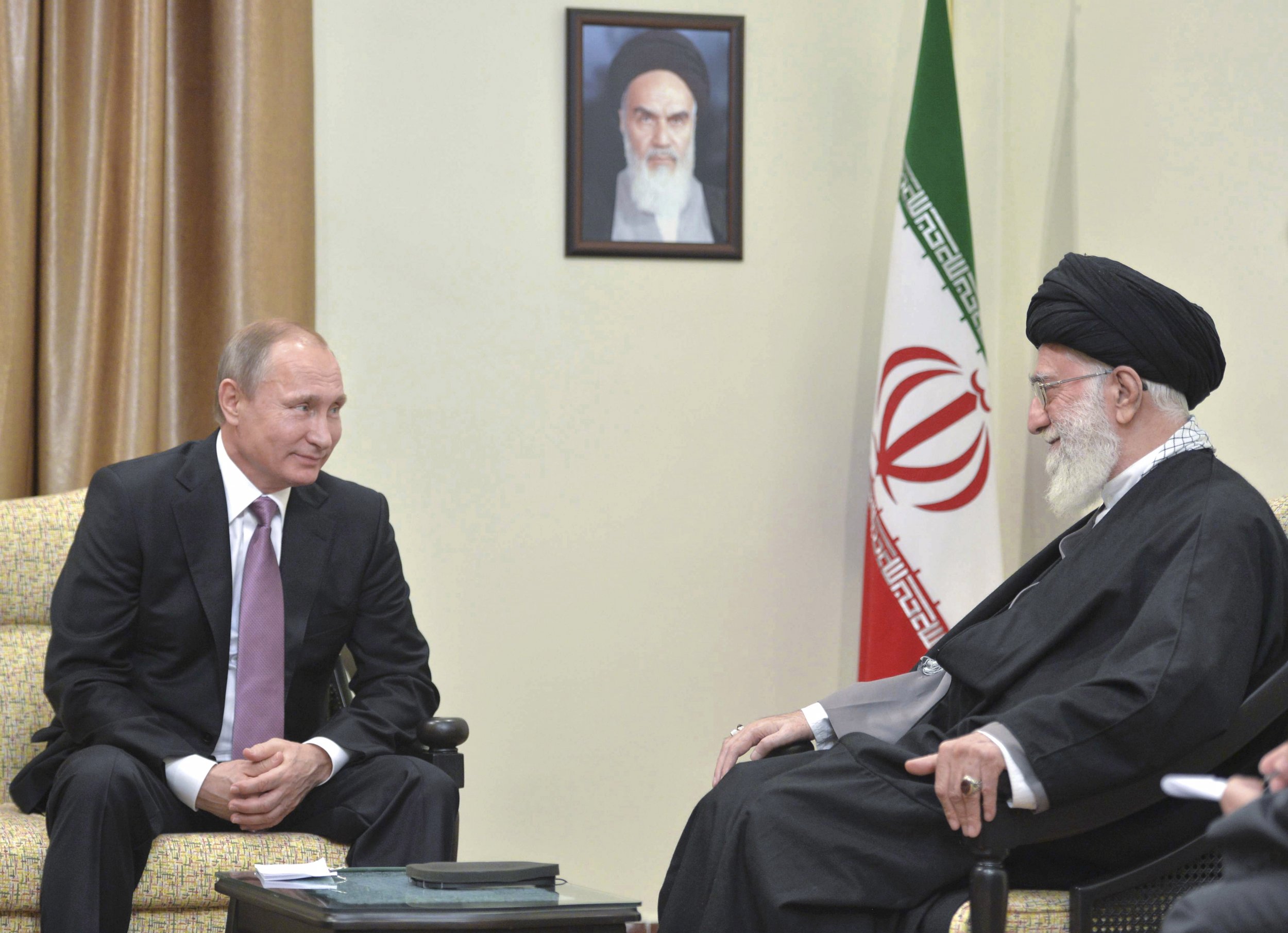
The second round of indirect talks between United States and Iranian delegations in Pakistan functions less as a diplomatic breakthrough and more as a high-stakes stress test of regional mediation. While public discourse often frames these meetings through the lens of vague "peace-building," a structural analysis reveals a rigid three-tier framework: the management of the nuclear threshold, the calibration of proxy-state friction, and the stabilization of the Strait of Hormuz transit costs. Pakistan's role provides the necessary physical and political insulation, allowing both parties to bypass the domestic political costs of direct engagement while maintaining a functional communication loop.
The Tri-Factor Dependency Model
To understand the agenda, one must quantify the variables that dictate the current Iranian and American bargaining positions. These negotiations operate within a closed system where progress in one sector is often traded for controlled escalation in another. For a different perspective, check out: this related article.
- The Kinetic Calibration Variable: This involves the specific frequency and lethality of rocket and drone strikes by non-state actors in Iraq, Syria, and Yemen. The objective for the US is to establish a "Quiet for Quiet" ratio. If the frequency of attacks remains below a specific threshold, the US maintains its current posture of limited retaliatory strikes.
- The Nuclear Enrichment Ceiling: While the JCPOA remains in a state of suspended animation, the technical reality of 60% enriched uranium stockpiles creates a hard deadline for the US administration. The talks aim to negotiate a technical pause—a "freeze-for-freeze" where Iran halts further enrichment in exchange for the selective unfreezing of restricted assets or the issuance of specific oil export waivers.
- The Economic Leverage Function: Iran’s primary goal is the mitigation of the "Maximum Pressure" legacy. The US utilizes the gradual release of funds held in third-country accounts (notably South Korea and Iraq) as a tactical drip-feed to ensure Iranian compliance with the Kinetic Calibration Variable.
The Pakistan Intermediary Architecture
Choosing Islamabad over traditional hubs like Muscat or Doha signals a shift in the logistical geography of the conflict. Pakistan’s involvement is not altruistic; it is a calculated move to stabilize its own restive border regions while asserting its relevance in a shifting multipolar environment.
The Pakistani mediation strategy utilizes a "De-risking Protocol" that serves three distinct purposes: Related coverage on the subject has been provided by The New York Times.
- Plausible Deniability: By conducting talks via a third party in a non-Western-aligned regional power, the Biden administration avoids the "appeasement" narrative from domestic opposition. Similarly, the Iranian leadership avoids the "capitulation" optics that direct dialogue with the "Great Satan" would trigger within its hardline factions.
- Intelligence Synchronization: Pakistan’s unique security relationship with both the Iranian military apparatus and the US Central Intelligence Agency (CIA) allows for the verification of claims made during the talks. If Iran claims to have limited influence over a specific regional militia, Pakistani intelligence can provide the granular data to validate or debunk that assertion in real-time.
- Regional Buffer Logistics: The physical proximity of Pakistan to Iran allows for rapid technical consultations. Negotiators can return to Tehran for briefings and be back in Islamabad within hours, a speed that European or Middle Eastern venues cannot always match during periods of high-intensity crisis management.
The Cost Function of Regional Instability
The primary driver for the US presence in Islamabad is the escalating cost of maintaining maritime security. The Red Sea and the Gulf of Aden have become high-friction zones where the cost of defensive munitions (Standard Missile-2 and Sea Viper interceptions) far exceeds the cost of the offensive drone and missile tech deployed by Houthi forces.
This creates an asymmetric economic burden. For the US, the talks are an attempt to resolve the "Houthi Bottleneck" via Tehran. If the US can secure a commitment from Iran to reduce the supply of advanced guidance systems to Yemen, the operational cost of US naval deployments in the region drops significantly.
Iran, conversely, views these maritime disruptions as a high-value bargaining chip. They are not negotiating to stop the attacks permanently; they are negotiating the intensity of the attacks to extract concessions on sanctions. This is a game of marginal utility. Iran will continue to support maritime disruption up to the point where it triggers a direct, existential threat to its own infrastructure.
The Structural Limitations of the Agenda
Despite the high-level attendance, several bottlenecks prevent these talks from evolving into a formal treaty. These limitations are baked into the political DNA of both nations.
The Sunset Clause Problem
The technical expiration of various UN restrictions on Iran’s missile program creates a moving target. The US wants to extend these restrictions indefinitely, while Iran views them as non-negotiable legal rights. This creates a fundamental misalignment where the US is negotiating for "time" while Iran is negotiating for "permanence."
The Internal Fragmentation Factor
In Tehran, the Revolutionary Guard (IRGC) and the Foreign Ministry often operate on diverging timelines. A commitment made by diplomats in Islamabad may be countermanded by a strategic drone strike authorized by the IRGC to signal strength to its domestic base. This internal friction makes "grand bargains" nearly impossible, forcing the US to settle for localized, tactical agreements.
The Election Cycle Constraint
The looming US electoral cycle creates a "Lame Duck Risk" for Iran. Why should Tehran make long-term concessions to an administration that might be replaced by a more hawkish one in 12 to 24 months? Consequently, Iran’s strategy in Pakistan is likely focused on short-term liquidity gains rather than long-term strategic shifts.
Strategic Forecasting: The Shadow Docket
The outcome of the Islamabad talks will not be a signed communique. Success will be measured in the silence of the following three weeks.
If the talks are productive, we will observe a "De-escalation Sequence":
- Stage One: A 14-day moratorium on attacks against US bases in the Khurdistan region of Iraq.
- Stage Two: The announcement of a "humanitarian" waiver allowing Iran to access a specific tranche of funds for medicine or food imports.
- Stage Three: A reduction in the frequency of Houthi anti-ship ballistic missile tests.
Failure, conversely, will be marked by a return to "Grey Zone" tactics. If the US refuses to offer immediate sanctions relief, Iran will likely greenlight a surge in enrichment activity or a localized maritime incident near the Strait of Hormuz to remind the global market of the volatility premium.
The Islamabad channel is a mechanism for "Conflict Management" rather than "Conflict Resolution." The primary objective for both states is the prevention of an accidental total war, not the restoration of diplomatic ties. The participants are engaged in a sophisticated exercise of defining the boundaries of their mutual hostility. The focus remains on the "rules of engagement" rather than the "terms of peace."
Operational stability hinges on the US's ability to offer credible, incremental economic incentives that outweigh the domestic political utility Iran gains from regional defiance. The strategic play for the US is to move Iran from a posture of "Maximum Resistance" to one of "Calculated Compliance" by exploiting Tehran's need for hard currency to stabilize its internal economy.
The success of the second round depends entirely on whether the US is willing to decouple its demands for regional de-escalation from the broader, more complex nuclear file. A narrow focus on kinetic stability in exchange for limited financial liquidity is the only viable pathway to a functional stalemate.