Markets hate uncertainty. Right now, they are drowning in it. Between high-stakes G20 summits in Asheville, escalating military friction in the Strait of Hormuz, and a dizzying mix of economic acronyms driving investors crazy, keeping track of your portfolio feels exhausting. You wake up, check your terminal, and watch oil prices spike because Washington and Tehran traded fresh strikes. Then you look at bond yields breaking out, testing Treasury Secretary Scott Bessent as global finance leaders scramble to find common ground.
If you are trying to make sense of why your stocks are slipping into the red while inflation data and central bank signals refuse to cooperate, you need to look past the daily headline noise. Let us break down what is actually happening behind the curtain and what it means for your money.
The G20 Drama and the Reality of Global Tariffs
Global diplomacy rarely moves markets on its own. This time is different. Finance ministers and central bankers gathered in North Carolina for the G20 meetings, with Treasury Secretary Bessent and Federal Reserve Chair Kevin Warsh front and center. The primary objective? Rallying international allies against a backdrop of tightening trade pressures and stubborn supply chain fractures.
Behind closed doors, major economic powers are pushing back hard against Washington's trade stance. Tariffs are straining traditional alliances faster than diplomats can issue joint press releases. When international trade rules start fraying, multinational corporations feel the squeeze immediately.
If you own global equities, watch how management teams handle inventory and pricing. Companies like Walmart and e.l.f. Beauty have managed to utilize tariff adjustments creatively to protect margins, but smaller firms lack that cushion. Expect tighter earnings reports from export-heavy sectors as these geopolitical games play out through the autumn.
Oil, Iran, and the Hormuz Strait Threat
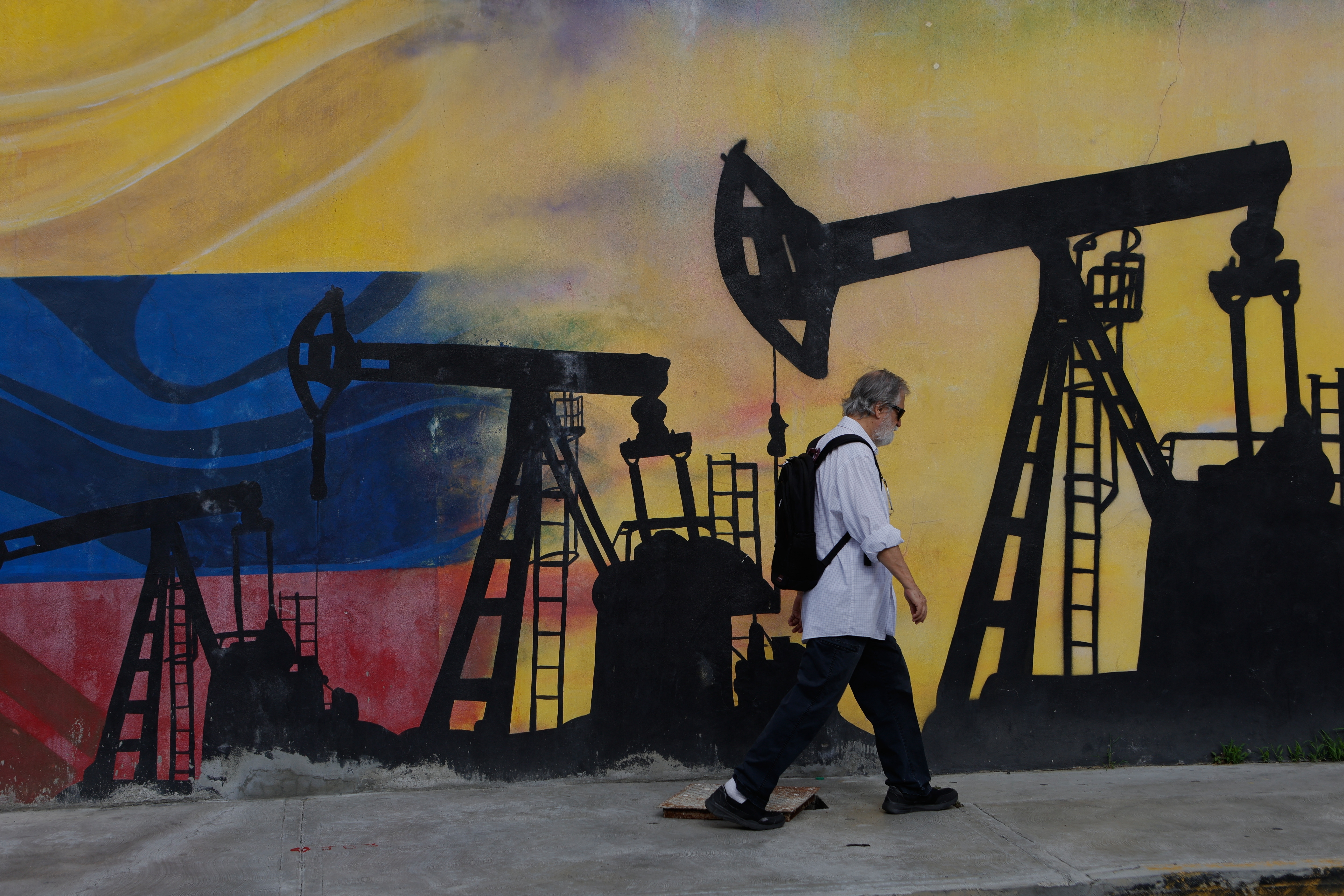
Energy markets remain hyper-sensitive to conflict in the Middle East. Recent military exchanges and renewed maritime tensions near the Strait of Hormuz sent immediate shockwaves through crude inventories. Whenever shipping lanes face real disruption risks, energy traders panic—and for good reason. A massive percentage of the world's petroleum supply flows right through that narrow bottleneck.
When oil prices jump overnight, airline stocks plummet, consumer discretionary spending takes a hit, and transport costs ripple across every single physical product on a retail shelf.
Do not rely on quick political fixes to stabilize energy prices. Even announcements regarding alternative oil sources or strategic reserves rarely offer immediate relief to spot prices. Treat energy volatility as the baseline for the remainder of the year. Keep a close eye on your defensive holdings and energy sector allocations to hedge against sudden supply shocks.
Navigating the Alphabet Soup Economy
Investors are currently wrestling with an alphabet soup of economic indicators, acronyms, and shifting monetary policies. Between debates over Fed rate trajectories, Treasury yield breakouts, and the persistent threat of algorithmic trading feedback loops, retail participants often feel left in the dark.
Federal Reserve Chair Kevin Warsh faces a brutal balancing act. Keeping interest rates steady to combat lingering price pressures risks triggering a sharp equity pullback, especially with the notorious "September Effect" looming over Wall Street. Meanwhile, watchdogs are sounding alarms over advanced automated trading systems and algorithmic vulnerabilities adding artificial velocity to market sell-offs.
To protect your wealth in this environment, cut through the noise. Ignore daily intraday swings. Focus heavily on balance sheet strength, low debt-to-equity ratios, and companies with genuine pricing power that can pass rising costs down to consumers without losing market share. Cash management matters again, so make sure your emergency funds sit safely in high-yield vehicles while you wait for clearer market direction.