Geopolitical realignment in the Middle East operates on a rigid matrix of energy security, territorial defense, and institutional deterrence. The escalation of hostilities between Saudi Arabia and Yemen's Ansarullah movement, commonly known as the Houthis, has transcended a localized civil conflict. It has mutated into a structural threat to regional stability, forcing external actors to recalibrate their strategic liabilities. Among these external actors, Pakistan occupies a critical node, bound by mutual defense architecture and acute economic dependency. Deconstructing the mechanics of why Riyadh remains a primary target for asymmetric warfare and why Islamabad has chosen to commit military assets requires examining the underlying cost functions driving both capitals.
The Asymmetric Vulnerability Of Saudi Infrastructure
Riyadh represents a high-value, low-resilience target set for Houthi missile and drone campaigns. Traditional military deterrence relies on symmetrical power balances, yet the modern conflict architecture in the southern Arabian Peninsula exposes structural asymmetries. The kingdom's economic gravity is concentrated within critical nodes: desalinization plants, petroleum processing facilities, and transit pipelines connecting the Persian Gulf to Red Sea export terminals.
Targeting these installations imposes disproportionate economic friction on Saudi Arabia while consuming minimal resource expenditure for the launching faction. The strategic utility of Houthi projectiles lies not in capturing physical territory within the kingdom, but in inflicting systemic disruption on global energy supply chains and maritime logistics passing through the Bab el-Mandeb strait. When air defense systems intercept incoming munitions, the economic burden heavily favors the attacker due to the high cost per interceptor missile relative to the low manufacturing and deployment cost of modern loitering munitions.
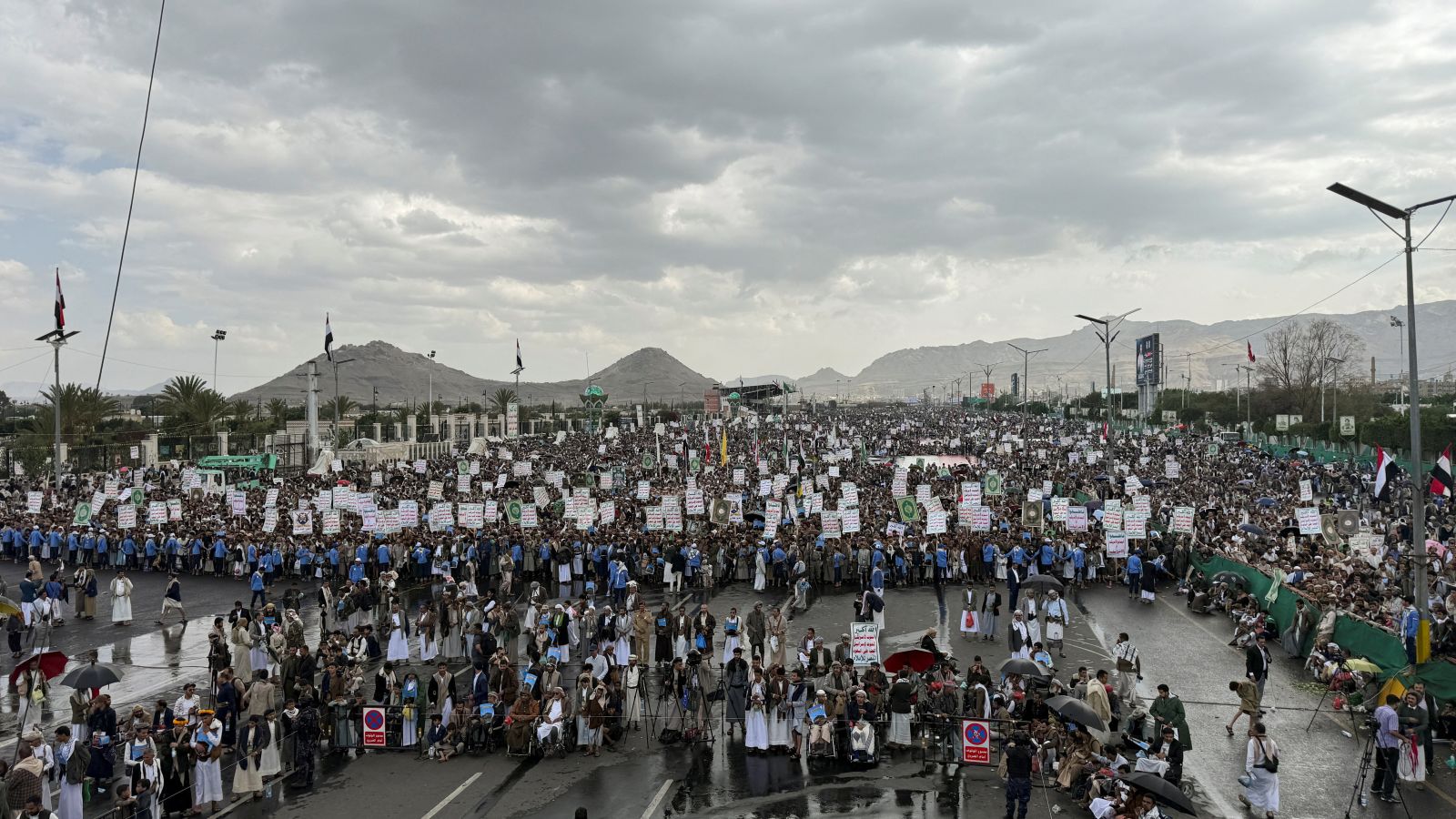
Furthermore, the geopolitical objective of these strikes is coercive signaling. By holding Saudi critical infrastructure under persistent threat, the Houthis and their external patrons exert leverage over diplomatic outcomes, seeking to break the military coalition opposing them and compel concessions that institutionalize their political and territorial gains in Yemen.
The Institutionalization Of Pakistani Security Commitments
Islamabad's decision to back Saudi Arabia under the framework of mutual defense agreements—most notably formalized through expanded collective security structures like the Makkah Joint Defence Agreement—reflects a calculated alignment of economic necessity and long-standing defense diplomacy.
Pakistan’s calculus is governed by three measurable variables:
- External Financial Dependence: Pakistan imports the vast majority of its crude oil, primarily sourced from Gulf monarchies, while relying heavily on foreign remittances and financial stabilization packages provided by Riyadh. These fiscal lifelines constrain Islamabad's foreign policy autonomy, rendering neutrality economically untenable during periods of acute external pressure.
- Institutionalized Defense Partnerships: Decades of military cooperation have embedded Pakistani technical personnel, training cadres, and tactical units within the security apparatus of the Gulf. Transitioning from bilateral training to formal mutual defense commitments formalizes an existing security umbrella.
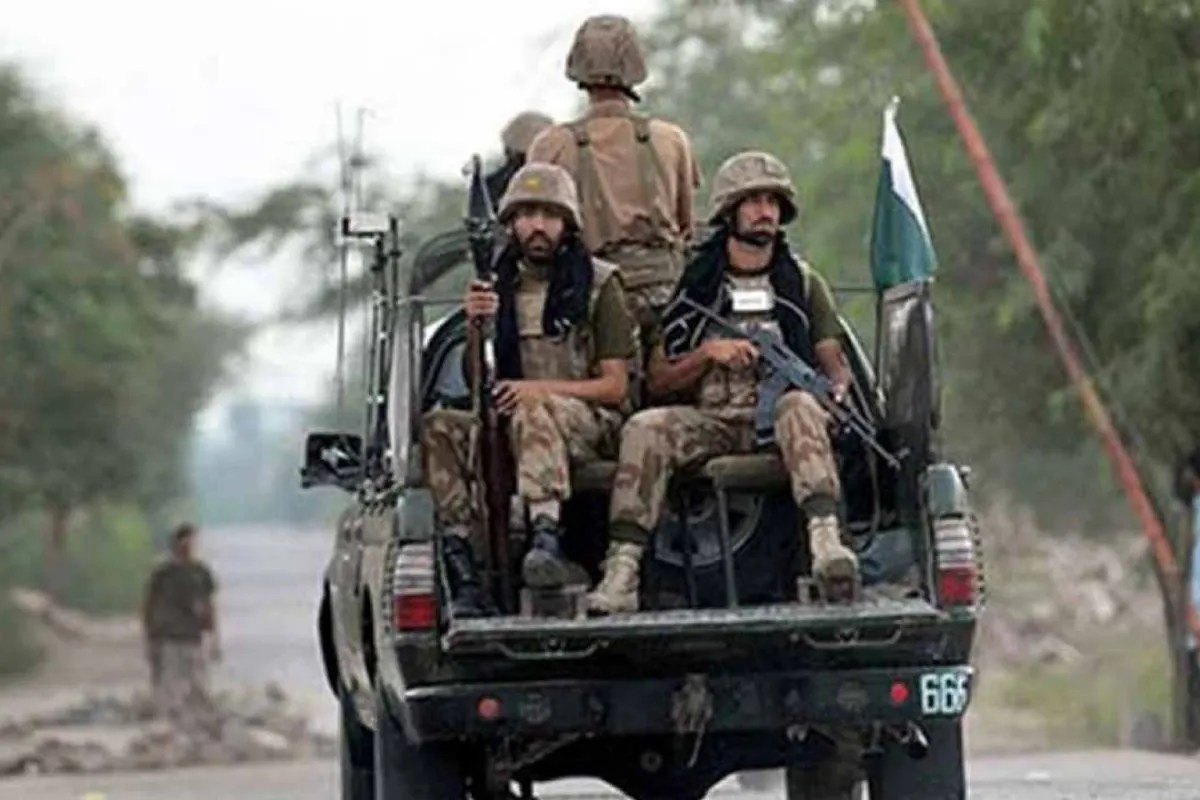
- Deterrence Architecture: By deploying air defense assets, technical specialists, and supporting military units to Saudi soil, Islamabad aims to raise the cost of sustained missile and drone campaigns against the kingdom.
This posture, however, introduces acute friction into Pakistan's regional positioning. The fine line between a strictly defensive deployment—such as guarding borders and managing missile defense batteries—and indirect enablement of offensive operations creates strategic ambiguity. By absorbing defensive burdens, foreign troops allow regular Saudi forces to redeploy toward frontline positions, effectively altering the balance of power without crossing international borders into Yemen.
The Regional Equilibrium And Escalation Risks
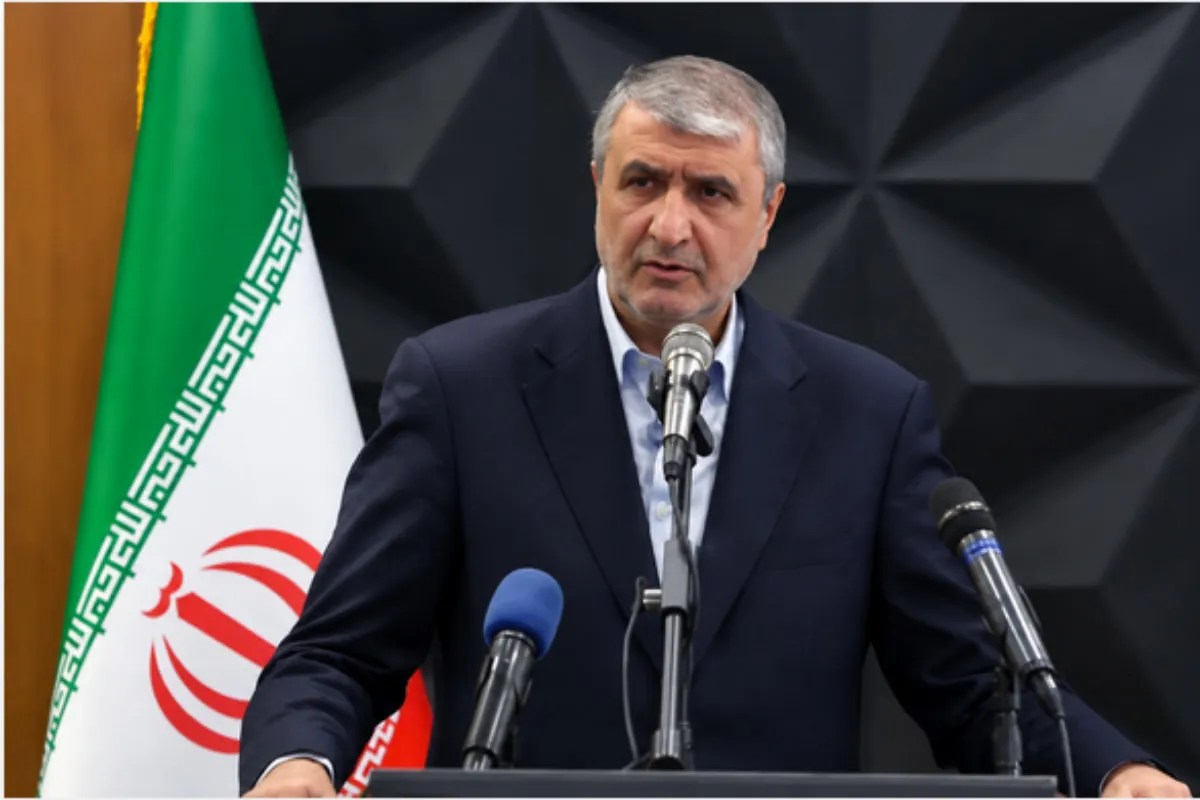
The integration of external state actors into the Saudi-Houthi theater compresses the margin for diplomatic maneuver. Islamabad maintains a shared border and complex diplomatic and economic relations with Iran, which exercises significant influence over the Houthis. Aligning too closely with an active military deterrence campaign against groups backed by Tehran risks destabilizing Pakistan's domestic sectarian balance and straining cross-border security cooperation.
The operational challenge for the newly established security secretariats in Riyadh is managing mission creep. A defensive posture designed exclusively to neutralize incoming aerial threats differs fundamentally from an open-ended campaign aimed at rolling back territorial control in Yemen. If defensive deployments are perceived by the Houthis and Tehran as active participation in offensive coalitions, the geographical scope of retaliation can expand, pulling secondary partners deeper into the conflict loop.
Strategic Deployment Of Assets
To insulate critical infrastructure while preventing regional escalation, allied leadership must enforce strict operational boundaries. The immediate strategic priority involves decoupling territorial air defense of Saudi population centers and energy corridors from offensive military maneuvers in Yemen. Establishing transparent rules of engagement ensures that external deployments function as a stabilizing deterrent rather than an escalation trigger, preserving the viability of parallel diplomatic channels mediated by regional neutrals.