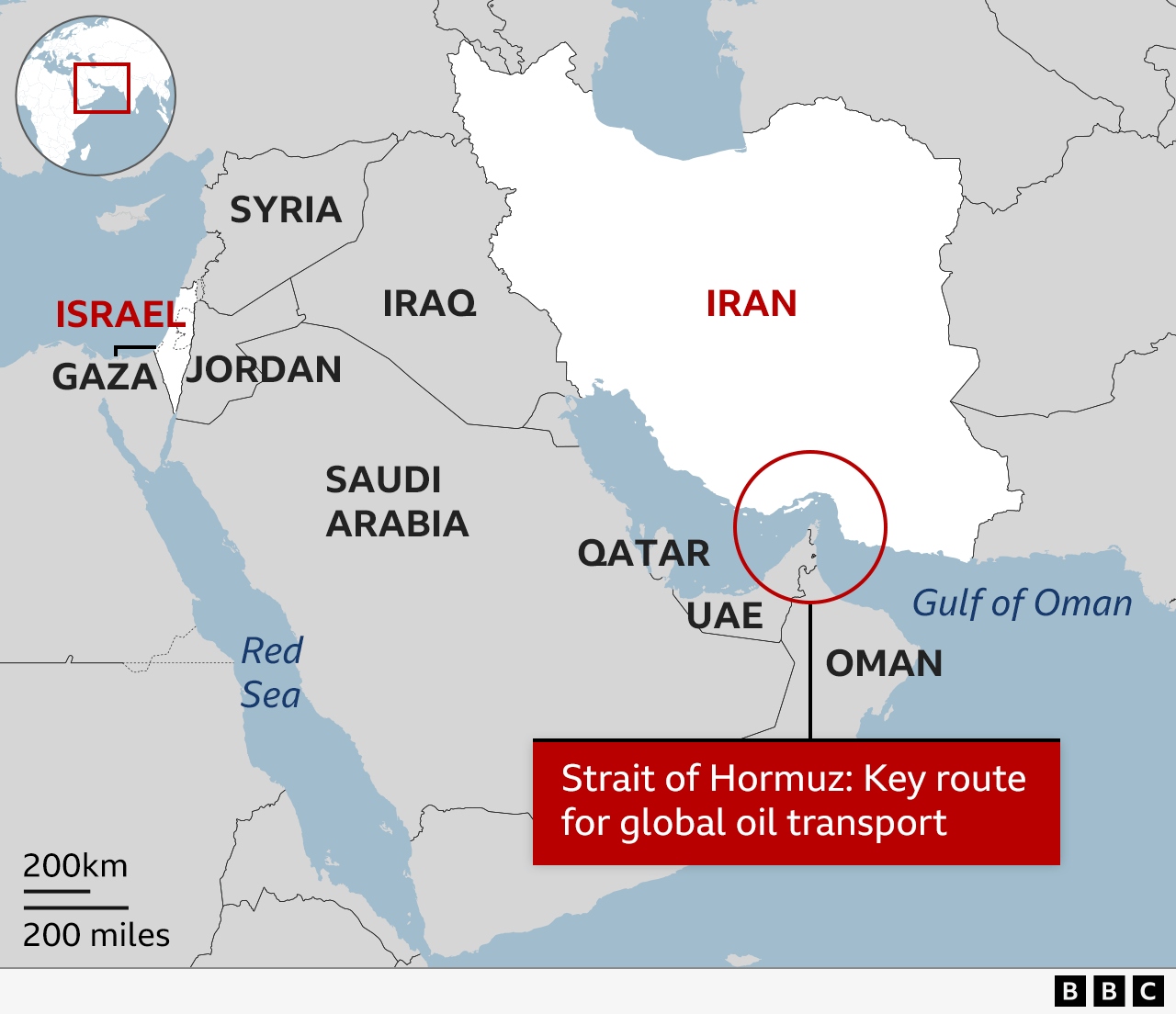
The physical reversal of high-tonnage energy carriers at the Strait of Hormuz serves as a leading indicator of collapsed diplomatic backchannels and heightened kinetic risk. When a Pakistan-flagged supertanker and a secondary vessel execute a U-turn near this specific maritime chokepoint, it is rarely a localized navigational decision. It represents a quantified response to a shift in the regional risk premium. The failure of US-Iran negotiations removes the diplomatic "safety floor," forcing ship owners and insurers to recalculate the probability of vessel seizure or proxy interference.
The Mechanics of the Maritime Risk Premium
The maritime industry operates on a thin margin of predictable transit. When geopolitical stability degrades, three specific variables dictate vessel behavior:
- The War Risk Surcharge (WRS): Insurers adjust premiums based on real-time threat assessments. A collapse in diplomatic talks often triggers a reclassification of the Persian Gulf waters, making the cost of entry prohibitively expensive for vessels without high-conviction cargo contracts.
- Asset Seizure Probability: Historically, Iran has utilized vessel detention as a tit-for-tat mechanism against Western sanctions or asset freezes. A Pakistan-flagged ship—representing a nation with complex, often delicate ties to both Riyadh and Tehran—reversing its course suggests that the threat of collateral detention has outweighed the commercial value of the delivery.
- Operational Opportunity Cost: A supertanker idling or reversing consumes significant fuel and incurs demurrage charges. The decision to turn back is a calculated loss, intended to prevent a total loss of the asset.
The Hormuz Chokepoint as a Strategic Lever
The Strait of Hormuz is not merely a geographic feature; it is a structural vulnerability in the global energy supply chain. Approximately 20% of the world's total petroleum liquids pass through this 21-mile wide passage.
The collapse of US-Iran talks creates a "no-man's land" of jurisdiction. Without an active diplomatic framework, the Rules of Engagement (ROE) for the Islamic Revolutionary Guard Corps Navy (IRGCN) become unpredictable. The U-turn of these vessels indicates a breakdown in the informal "hotline" communication that typically prevents commercial shipping from becoming a target during periods of high tension.
Cascading Effects on Energy Spot Prices
The immediate result of maritime reversals is a distortion of the physical oil market. While the paper market (futures) reacts to the news of collapsed talks, the physical market reacts to the actual absence of these tankers.
- Supply Lag: Every day a tanker spends diverted or anchored adds a 24-hour delay to the refinery intake schedules at the destination port.
- Regional Stockpile Drawdowns: If multiple vessels follow the lead of these two tankers, refineries in the Asia-Pacific region must draw from their strategic reserves to compensate for the missing barrels, tightening global inventory levels.
- Freight Rate Volatility: As certain routes become high-risk, the demand for tankers willing to brave the Strait of Hormuz spikes, driving up Worldscale (WS) rates for the entire sector.
The Pakistani Flag Paradox
The presence of a Pakistan-flagged vessel in this maneuver adds a layer of complexity. Pakistan maintains a strategic "neutrality" in the Saudi-Iran rivalry, yet it is heavily dependent on Gulf energy and remittances. A Pakistani vessel turning back signals that the risk is no longer confined to Western-affiliated or "enemy" flagged ships. It suggests a "blanket risk" environment where any vessel, regardless of its sovereign affiliation, is perceived as vulnerable to the tactical requirements of regional actors.
Technical Limitations of Maritime Security
Private maritime security teams (PMST) are largely ineffective against state-actor interventions. While they can deter piracy, they cannot prevent a state navy from seizing a ship under the guise of "environmental violations" or "navigational errors." The reversal of the tankers confirms that ship operators recognize the limit of their own defensive capabilities.
The lack of a US-led or multinational naval escort at the moment these ships reached the mouth of the Gulf created a security vacuum. Ship captains, operating under standing orders to prioritize hull integrity and crew safety, chose the only logical path: exit the high-risk zone until a new baseline of stability is established.
Structural Logic of the Diplomatic Collapse
The failure of the talks is the primary driver of this tactical retreat. The negotiation breakdown usually centers on three irreconcilable pillars:
- Sanctions Relief vs. Nuclear Compliance: Iran requires front-loaded economic benefits that the US political system is currently unable to guarantee.
- Regional Proxy Activities: The US demands a cessation of support for non-state actors, which Iran views as its primary defensive depth.
- Sunset Clauses: Disagreements over the expiration dates of nuclear restrictions ensure that any "deal" is viewed as a temporary ceasefire rather than a permanent resolution.
This impasse creates a binary environment. Either the shipping lanes are "safe" under a diplomatic umbrella, or they are "contested" in a shadow war. The U-turn of the vessels is the market's way of voting for the latter.
Strategic Forecast for Global Logistics
Logistics managers must now account for a "Hormuz Variable" in their 2026 planning. This involves diversifying sourcing away from the Persian Gulf where possible or investing in longer-term storage to buffer against sudden transit interruptions.
The immediate tactical move for energy traders is to monitor the "waiting list" at the Fujairah bunkering hub. If the volume of ships loitering outside the Strait increases, it will signal a systemic halt in transit, leading to a sharp, albeit perhaps temporary, spike in Brent and WTI benchmarks. The focus shifts from the diplomatic table to the satellite tracking of individual IMO numbers. Each ship that successfully passes through—or turns away—now provides more data on the reality of regional stability than any official press release from Washington or Tehran.
The strategic play is to hedge against a prolonged period of "gray zone" maritime conflict. This requires an immediate shift in insurance procurement, moving toward long-term fixed-premium contracts before the spot market for war-risk coverage undergoes a structural repricing.