A severe conflict in the Middle East does not stay contained there. For millions of households in northern and western Nigeria, the escalating war involving Iran has manifested not as missile sirens, but as empty plates and soaring market prices. Decades of structural fragility have left Nigeria acutely vulnerable to external trade disruptions. When global energy corridors choke and fertilizer supply chains fracture due to geopolitical clashes half a world away, the poorest citizens in West Africa suffer immediate, devastating consequences. Food inflation has driven millions deeper into extreme poverty, transforming a distant military conflict into a localized humanitarian emergency.
The Collateral Pipeline
Global trade relies on predictable logistics. When tensions flare in the Persian Gulf and crucial maritime choke points face disruption, the immediate reaction is a spike in crude oil prices and shipping insurance premiums. For an economy like Nigeria's, this presents a cruel paradox.
Nigeria is a major crude producer, yet it imports nearly all its refined petroleum products. The country lacks the operational domestic refining capacity to shield its population from global price shocks. When diesel prices climb on the international market, the cost of moving goods within Nigeria skyrockets.
Transporting yams, beans, and millet from the agricultural belt of the Middle Belt to urban centers like Lagos or the arid northern regions requires thousands of trucks. These trucks run on diesel. When fuel costs double, the price of food at the local market doubles with them. It is a direct transmission mechanism. The urban poor and subsistence farmers cannot absorb these costs. They simply eat less.
The Fertilizer Chokehold
The crisis hits the soil long before the crop ever reaches a truck. Modern agricultural yields depend heavily on chemical fertilizers, particularly urea and potash. Iran and its surrounding region sit at the center of the global petrochemical and fertilizer supply network.
Sanctions, blockades, and targeted strikes disrupt the export of these essential agricultural inputs. When global supply shrinks, prices surge out of reach for smallholder farmers in states like Kano, Kaduna, and Sokoto.
Without affordable fertilizer, crop yields plummet. A farmer who previously harvested twenty bags of grain might only produce eight or nine when forced to plant without nutrients. This supply contraction happens right when importing food is becoming prohibitively expensive. The result is a severe domestic food deficit that drives prices higher, creating a compounding cycle of deprivation.
Macroeconomic Failure Meets Microeconomic Reality
Nigeria’s currency, the naira, has faced severe devaluation pressures over recent years due to domestic monetary policy and shifting foreign investment patterns. The global instability triggered by the Iran conflict exacerbates this vulnerability.
International investors tend to pull capital out of emerging markets during periods of heightened geopolitical risk, seeking the safety of the US dollar. This flight to safety devalues local currencies like the naira.
Because Nigeria imports a vast array of basic commodities, a weaker currency means buying less for more. The central bank finds its reserves depleted while trying to defend the currency, leaving little room for social safety nets or targeted food subsidies. Families are left entirely on their own to navigate a market where their purchasing power evaporates weekly.
The Breakdown of Daily Nutrition
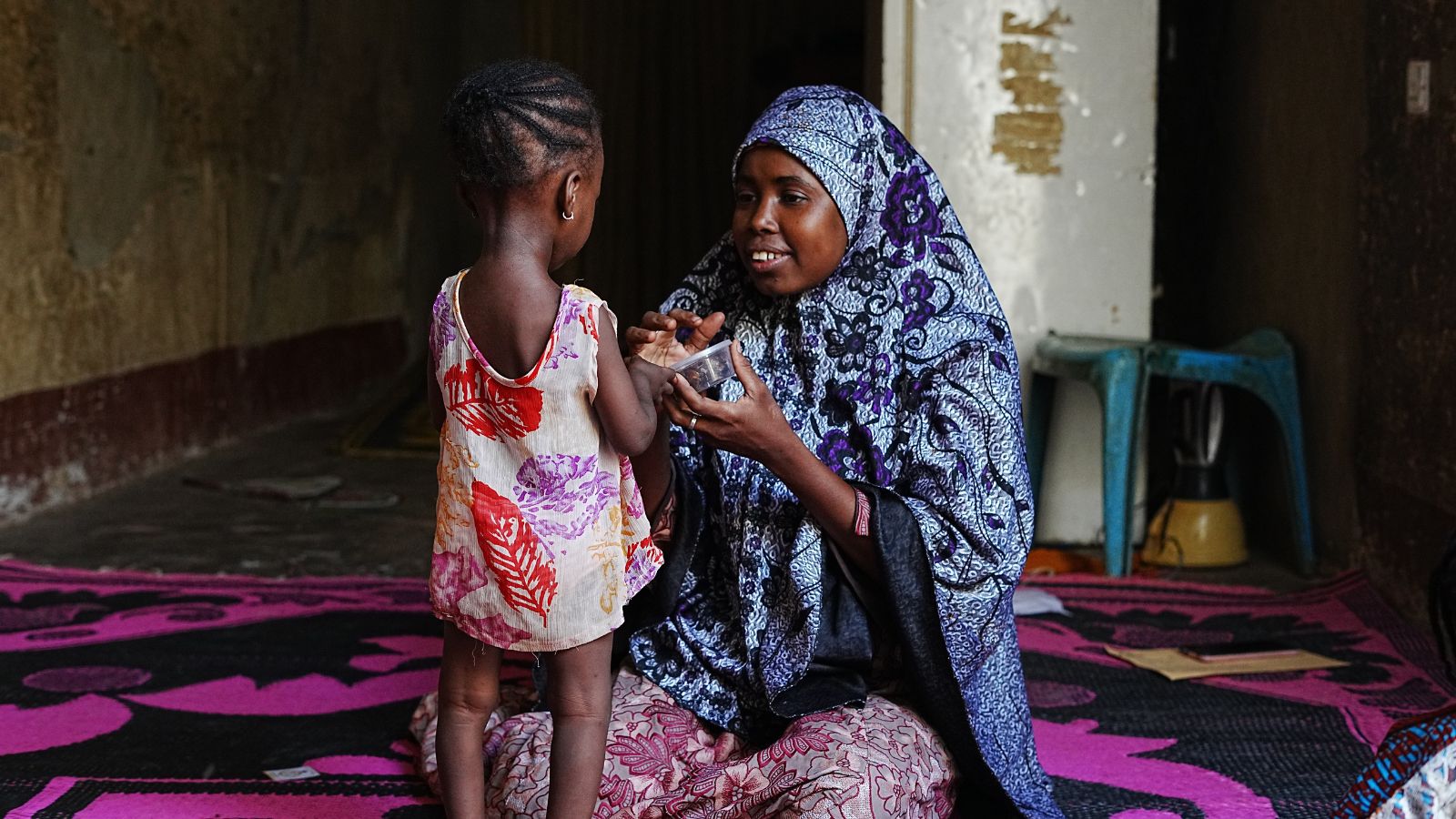
In the suburbs of Abuja and the villages of Borno, the dietary shift is stark. Families have abandoned balanced meals entirely. Protein sources like eggs, fish, and meat have become luxury items reserved for the wealthy.
Instead, households rely on cheap, starchy staples like cassava flour or maize meal, often cutting down to a single meal per day. Children suffer the brunt of this nutritional decline. Acute malnutrition among infants and young children damages physical growth and cognitive development permanently.
International aid organizations, already stretched thin by global funding shortages, cannot keep pace with the growing numbers of children requiring emergency therapeutic feeding. The queue at community health clinics grows longer as the nutrient content of the average household meal drops below survival thresholds.
The Ghost of Missing Foreign Aid
When major global powers direct their financial and diplomatic resources toward managing a hot war in the Middle East, humanitarian budgets elsewhere are reassessed or reduced.
Foreign assistance that previously subsidized maternal health, agricultural development, and emergency food distribution in West Africa is being redirected. Western donors face domestic pressure to fund security initiatives and geopolitical allies, leaving African nations to handle structural crises with diminished international support.
This drop in aid occurs precisely when domestic government revenues are strained by the high cost of debt servicing and fuel imports. The safety net has not just frayed; in many regions, it has vanished completely.
The Myth of Self Reliance
Proponents of economic nationalism often argue that global shocks should inspire local self-sufficiency. They claim Nigeria should simply grow its own food and ignore the rest of the world.
This view ignores the structural reality of globalized trade. You cannot build an independent agricultural sector overnight when your seeds, your tractors, your fuel, and your fertilizer are bound to global markets.
To break this cycle, the focus must shift toward structural transformation. This means building functional domestic refineries to decouple local transport costs from international diesel prices. It means developing regional fertilizer plants that utilize domestic natural gas reserves rather than relying on imports from volatile zones.
Until these capital-intensive investments are realized, the welfare of a child in rural Nigeria remains tethered to the stability of the Persian Gulf. Every missile fired and every sanction imposed across oceans recalibrates the price of survival in West Africa.