Every mainstream headline screams the exact same lazy narrative. Germany shut down its nuclear plants, leaned on Russian gas, watched that pipeline blow up, and now the entire economic engine of Europe is grinding to a halt in the dark.
It makes for great cable news. It generates clicks. And it is fundamentally wrong. For another perspective, consider: this related article.
I have spent the last decade watching energy markets from trading floors and corporate boardrooms, and I am tired of watching analysts mistake short-term price friction for systemic collapse. The conventional wisdom says that the German industrial base is committing suicide through green ideology. The reality is far more uncomfortable for the doomsayers. Germany is not dying; it is shedding a century-old dependency on cheap, dirty calories and forcing its heavy industries to re-engineer themselves under duress.
Let us look at the data instead of the panic. Similar coverage on this trend has been published by The Guardian.
The Lazy Consensus on Energy Costs
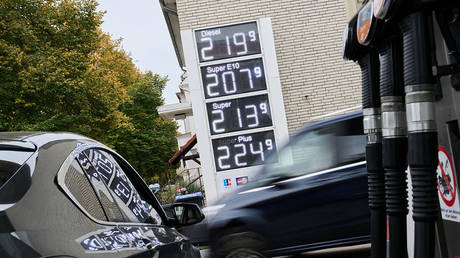
The core argument from every pundit is simple. German power prices spiked after the 2022 supply shock, therefore heavy industry must pack its bags and leave. BASF, Volkswagen, ThyssenKrupp—take your pick. The narrative claims they are bleeding out because keeping the blast furnaces hot costs too much euros per megawatt-hour compared to the United States or China.
This argument relies on a static view of manufacturing. It assumes that a factory built in 1985 should operate the exact same way in 2026.
When power gets expensive, inefficient consumers of energy get squeezed out. That is not a policy failure; that is basic economics at work. For decades, cheap natural gas subsidized low-efficiency processes across the Ruhr Valley. Companies had zero incentive to optimize thermodynamic efficiency or electrify heat because fossil fuels were too cheap to meter.
The energy shock did not break German manufacturing. It exposed the lazy ones.
The companies surviving and winning right now are not the ones whining for government subsidies. They are the ones redesigning their supply chains, installing localized industrial heat pumps, integrating hydrogen-ready infrastructure, and slashing baseline consumption. When you force an economy to kick a cheap chemical habit, the withdrawal hurts. But the long-term metabolic health of the organism improves dramatically.
The Myth of Deindustrialization
Look at the actual output numbers instead of listening to lobbyists who want tax breaks. Chemical and steel production dipped, yes. But specialized mechanical engineering, high-end automation, and renewable component manufacturing surged.
Germany is experiencing a painful structural rotation, not an exit.
When energy is cheap, you burn it. When energy is priced to reflect its true geopolitical and environmental cost, you innovate. European engineering firms are currently leading the charge in industrial electrification precisely because they faced the pressure cooker first. While American manufacturers enjoyed domestic shale gas and delayed their green transition, German firms had to figure out how to run high-heat processes on electricity yesterday.
That is not a disadvantage. That is a forced head start in a decarbonized global economy.
Let us be honest about the downsides of this transition, because contrarianism without candor is just propaganda. Power prices in Europe remain higher than in regions with abundant domestic gas or lax environmental standards. Energy-intensive commodity chemicals face permanent headwinds in Central Europe. Basic bulk steel production will likely shrink permanently on German soil.
That is the price of admission. You cannot claim to want a decarbonized industrial base while expecting to burn the exact same volume of hydrocarbons at 1990s prices.
The Grid Paradox Everyone Ignores
Another favorite talking point of the doomsayers is the grid stability myth. The argument goes that wind and solar are intermittent, baseload power is gone without nuclear, and blackouts are right around the corner.
Data tells a completely different story. Germany's grid reliability remains among the highest in the world, regularly outperforming nations with older, centralized fossil-fuel grids.
How is that possible if nuclear is offline and coal is phasing out? Because modern grid operators do not manage power systems with sledgehammers anymore. They use software-driven demand response, cross-border European interconnectors, and rapidly expanding battery storage assets. When the wind stops blowing in the North Sea, hydro from the Alps and gas peaker plants balance the ledger in milliseconds.
The real vulnerability of the German grid was never renewables. It was bureaucratic inertia in building transmission lines from northern wind farms to southern industrial hubs. That bottleneck is clearing out as projects finish construction.
What the Pundits Get Wrong About the Future
If you listen to the mainstream financial press, you would think German executives spend their days crying into their pretzels while waiting for the lights to go out.
Step inside an actual modern German Mittelstand company today. You will see automated assembly lines running on corporate-owned solar arrays, waste-heat capture systems cutting thermal losses by forty percent, and R&D budgets focused entirely on sector coupling—the holy grail of linking power, heat, and mobility grids.
They are not fleeing. They are adapting faster than their global competitors can copy them.
The energy shock of the 2020s will be studied in business schools not as the death of European industry, but as the violent catalyst that forced a lethargic manufacturing giant into the twenty-first century.
Stop reading the obituaries for the German economy. They are written by people who confuse the end of cheap fossil fuels with the end of engineering.