Mr. Chan stands behind the counter of his cha chaan teng in Mong Kok, wiping the same square foot of Formica for the fourth time in ten minutes. It is 7:00 PM. Five years ago, a Tuesday night at 7:00 PM meant a chorus of clacking porcelain, shouting waiters, and the sweet, heavy steam of milk tea hanging thick in the air. Tonight, the neon sign outside hums a solo. There are three customers. Two are scrolling on their phones.
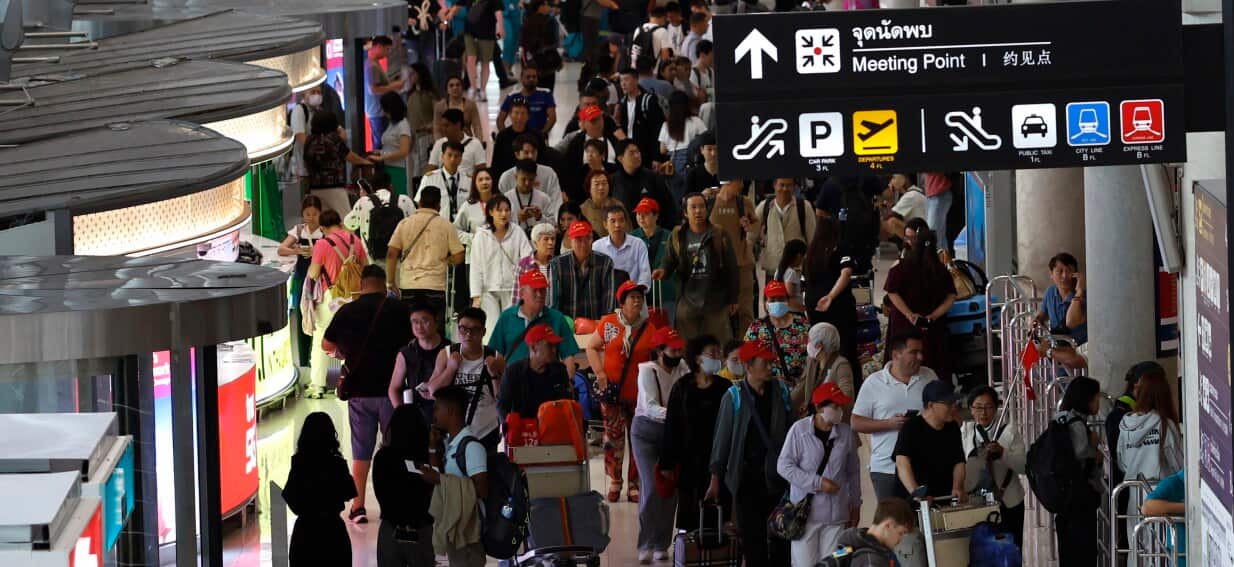
A block away, the Nathan Road pavements tell a different story. If you look purely at the data streaming into government databases, Hong Kong is back. The numbers on the spreadsheets look beautiful. Millions of visitors are crossing the border. The airport terminals are bright and humming. Tourism boards are cheering. Read more on a related issue: this related article.
But Chan’s cash register does not care about spreadsheets.
Hong Kong is chasing a ghost. For decades, the city’s economic heartbeat was measured by a simple, brutal metric: headcount. More arrivals meant more success. More tour buses meant more profit. It was a factory model of tourism, where human beings were treated like raw cargo to be processed through luxury boutiques and jewelry stores. Further analysis by Travel + Leisure delves into comparable perspectives on the subject.
That model is dead. The city just hasn't buried it yet.
The Mirage of the Golden Ticket
To understand why Hong Kong is misreading its own recovery, you have to look at what happens when a tourist actually steps off the high-speed rail at West Kowloon.
Let us invent a visitor. Call her Xiao Chen. She is 24, lives in Shenzhen, and works in digital marketing. She represents the exact demographic currently flooding across the border. Under the old metric of success, Xiao Chen is a victory. She counts as one arrival.
But watch what Xiao Chen actually does. She does not buy a Rolex. She does not check into a five-star hotel in Admiralty. She does not even eat a luxury meal. Instead, she walks to a specific, otherwise ordinary street corner in Central because she saw a picture of it on Xiaohongshu. She takes a selfie holding a cup of convenience store iced coffee. She poses next to a retro green taxi. She posts the photo with a caption about "Hong Kong vibes," walks back to the station, and catches the train home before the evening rush.
Total economic contribution to Hong Kong’s traditional retail sector? Under fifty dollars.
Yet, on paper, Xiao Chen’s visit is celebrated with the same weight as the high-spending corporate travelers of 2018. This is the fundamental error of the city's current strategy. It confuses motion with progress. It assumes a crowded street is a profitable street.
The reality on the ground is far colder. Travel habits have fundamentally shifted. The post-pandemic traveler isn't looking for a shopping mall; they can buy the same Gucci bag online or in a duty-free zone in Hainan without the hassle of currency exchange and customs. They are looking for something else. They are looking for culture, texture, and identity.
Unfortunately, while Hong Kong was busy counting heads, it spent years flattening its own identity to make room for more luxury flagship stores.
The High Cost of Homogeneity
Walk through Tsim Sha Tsui today and you will notice a strange phenomenon. The massive, multi-story flagship stores that once defined the golden mile of Canton Road are strangely quiet, some replaced by temporary pop-ups or left vacant behind shiny vinyl wraps.
For twenty years, Hong Kong relied on a monoculture. The city’s real estate market adapted to serve a single, hyper-specific type of visitor: the wealthy mainland shopper looking to arbitrage tax differences on luxury goods. Rents skyrocketed. The quirky, independent businesses that gave Hong Kong its grit and soul—the family-run noodle shops, the independent tailoring shops, the neon craftsmen—were priced out. They were replaced by identical rows of pharmacies selling milk powder and cosmetics, and high-end watch boutiques.
Now, those shoppers aren't coming back in the same numbers, and they certainly aren't spending with the same reckless abandon. The economic engine has changed gears, but the city’s infrastructure is still built for a race that ended five years ago.
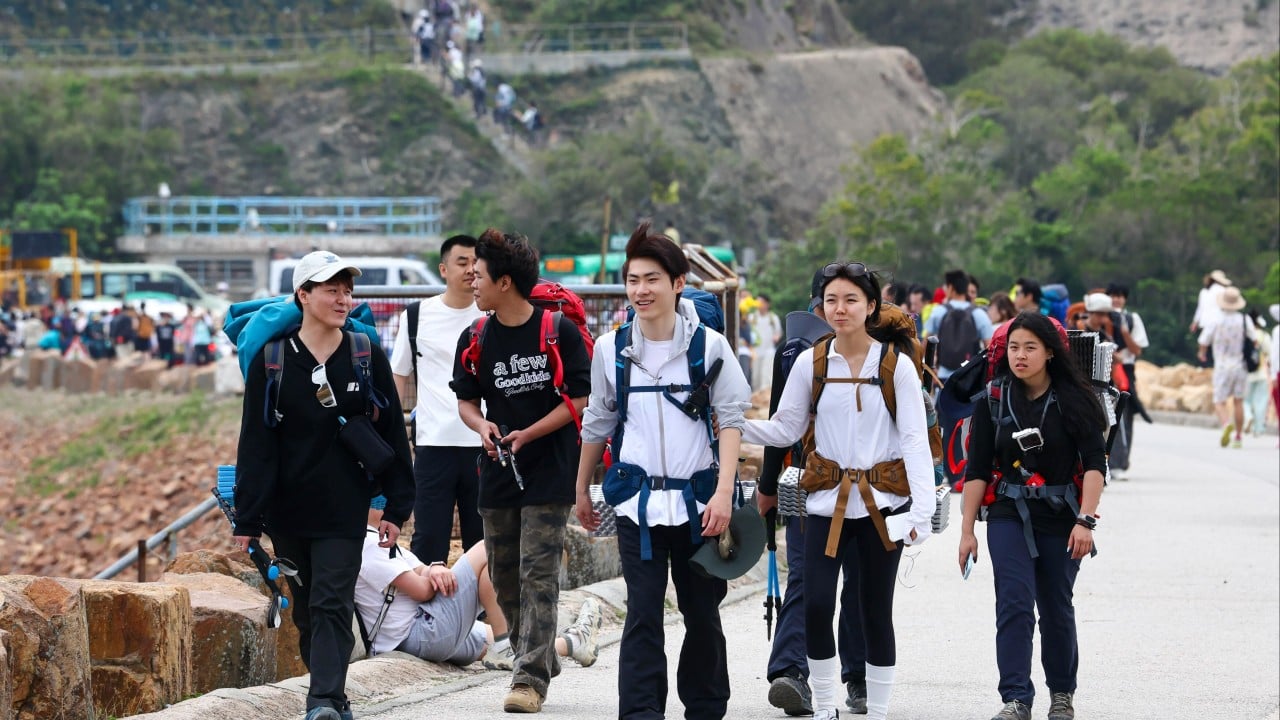
Consider the neighborhood of Sham Shui Po. It was never a traditional tourist hotspot. It is gritty, dense, and historically working-class. Yet, over the last few years, a quiet transformation occurred. Young locals opened specialty coffee shops next to traditional fabric wholesalers. Micro-galleries popped up beside stalls selling electronic scrap metal.
When you ask the shopkeepers there who is visiting, they point to independent travelers from across Asia and Europe. These visitors aren't spending thousands on diamonds, but they are buying handmade ceramics, eating at local dai pai dongs, and staying for a week rather than a afternoon. They are investing in the community, not just the corporate landlords.
But under the current government framework, Sham Shui Po is an afterthought. The big marketing budgets are still spent on massive fireworks displays over Victoria Harbour and mega-events designed to draw crowds for a single weekend.
Crowds vanish when the fireworks go out. Community endures.
Changing the Scorecard
How do you measure the value of a traveler who doesn't leave a trail of credit card receipts at a luxury mall?
It requires a complete overhaul of the city's tourism scorecard. If Hong Kong continues to judge its health by raw arrival numbers, it will continue to implement policies that make the city less livable for its residents while failing to generate meaningful revenue.
A healthier metric would look at the length of stay. A tourist who stays for four nights spends money on accommodation, multiple meals, transport, and entertainment. They interact with the city horizontally, spreading their wealth across various sectors rather than dumping it vertically into a few multinational retail chains.
Another vital metric is local sentiment. Tourism shouldn't be an extractive industry that makes life miserable for locals. In the peak years of the shopping boom, neighborhoods like Sheung Shui were practically unlivable for residents due to the sheer volume of parallel traders. A successful tourism strategy must balance the economic injection with the quality of life for the people who actually call the city home. If a neighborhood becomes an artificial theme park, it loses the very authenticity that attracted visitors in the first place.
This is a scary transition for policymakers. Numbers are clean. Headcounts are easy to present in a press conference. Measuring cultural engagement, neighborhood economic dispersion, and visitor satisfaction is messy. It requires nuance. It requires admitting that the old, easy days of endless high-rolling shoppers are gone for good.
The True Value of the City
Back in Mong Kok, Mr. Chan finally sets down his rag. A young couple walks into his shop. They aren't locals; their accents suggest they are from Chengdu. They don't look at a menu. They point to a picture on an Instagram post of Chan’s signature pineapple buns, thick with a slab of cold butter melting inside.
They eat slowly. They talk to Chan in broken Cantonese, asking how long he has been baking them. Chan’s face softens. He tells them about his father, who started the bakery in the 1970s, using a brick oven that required constant attention.
The couple spends less than eighty Hong Kong dollars. But as they leave, they thank Chan with genuine warmth, promising to tell their friends back home to visit the little shop on the corner.
That interaction won't register on any government chart tomorrow morning. It won't move the GDP needle by a fraction of a percent. But it represents the only sustainable future Hong Kong tourism has.
The city does not need to reinvent itself as a playground for billionaires or a giant, open-air duty-free shop. It needs to remember what made it magnetic in the first place: the friction of the old and the new, the neon humming over the wet markets, the irreplaceable human energy of a place where the world meets.
Until the city stops counting the people coming through the gates and starts looking at what they are experiencing inside, the streets will remain crowded, and the registers will remain quiet.