There is a specific kind of quiet that settles over a thirty-two-million-dollar house when the furniture is gone.
It is not a peaceful silence. It is resonant. It bounces off imported stone, ricochets across hardwood floors laid down by craftsmen who measured tolerances in fractions of a millimeter, and dies against glass walls designed to frame a view of the Pacific Ocean that people spend lifetimes working eighty-hour weeks just to glimpse from a freeway overpass. Discover more on a connected topic: this related article.
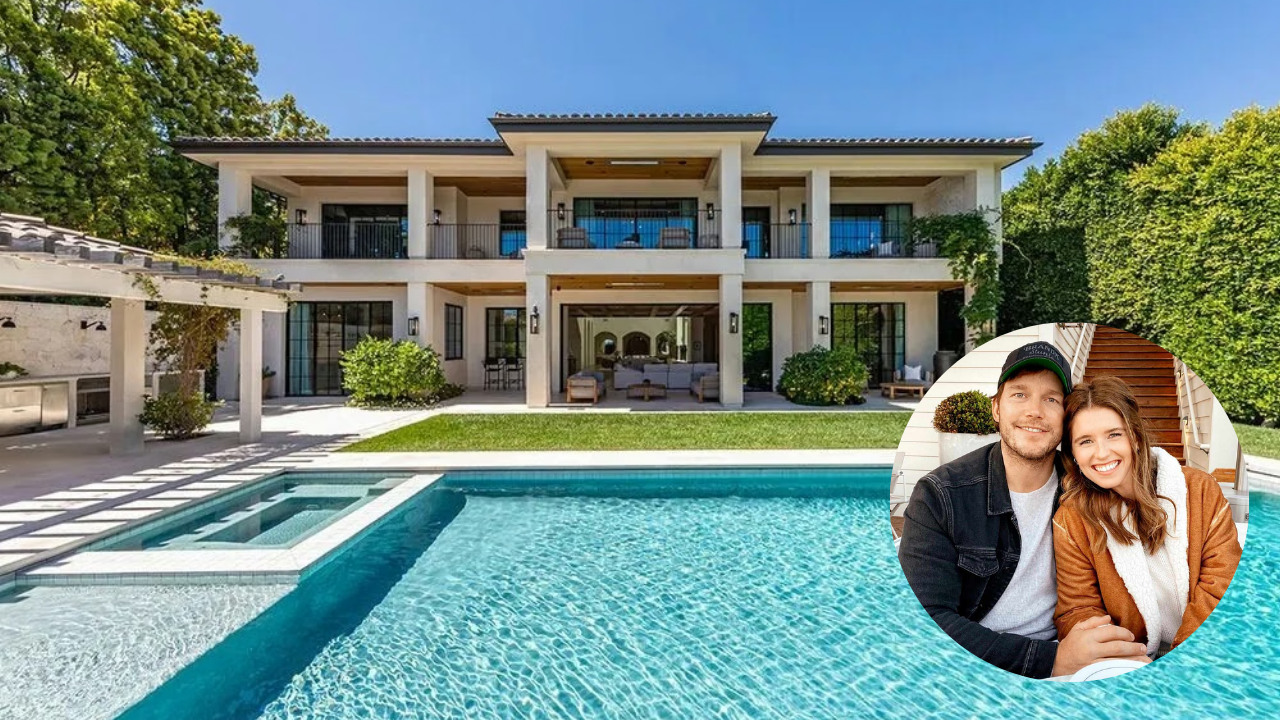
In 2023, Chris Pratt hung a metaphorical price tag on that Pacific Palisades sanctuary. Thirty-two million dollars. A staggering sum. A monument to box-office dominance, Marvel contracts, animated plumbing icons, and the relentless, breathless hustle of modern celebrity.
Three years later, the silence in those empty rooms has changed tone. Further reporting by The New York Times delves into related perspectives on this issue.
Real estate at that altitude is rarely about mere shelter. It is a physical manifestation of a career's apex. When you buy a modern architectural marvel in Los Angeles, you are buying a promise to yourself. You are buying the narrative that you have arrived. You have beaten the casting directors, the lean years of couch-surfing, the rejection letters taped to refrigerators, and the terrifying void of irrelevance. You built a fortress.
Then comes the quiet part nobody talks about.
Maintenance. Property taxes that rival small-nation municipal budgets. The strange, crushing weight of owning four distinct living rooms when you only ever sit on one couch.
Consider the mathematics of scaling a life. We watch these figures scroll past on our screens like weather reports—millions here, square footage there, architectural digests flashing buttery light over infinity pools. But strip away the glossy magazine spreads and look at the human mechanism beneath. Pratt and his wife, Katherine Schwarzenegger, didn't just walk away from a house; they grappled with the invisible gravity of excess.
Real estate at thirty-two million dollars is a very lonely asset class.
The market up there does not behave like the rest of the housing world. While ordinary neighborhoods experience frantic bidding wars over split-level ranches, ultra-luxury compounds sit. They wait. They become monuments to patience, or monuments to miscalculation. When a property lingers on the market for three years, it gathers something heavier than dust. It gathers a narrative. Buyers wonder what is wrong with it. Agents whisper about price adjustments. The house loses its sheen of newness and hardens into a white elephant.
It reminds me of an old farmhouse I once worked on in upstate New York, a place where the previous owner had tried to add a grand Victorian wing to a modest 1800s timber frame. He ran out of money halfway through the siding. For twenty years, that half-finished skeleton stood out in the weather, a monument to a dream that outgrew its foundation.
Celebrity real estate is just that, magnified through a telescope and polished until it blinds you.
When you purchase a five-bedroom, six-bathroom modern farmhouse with a wine cellar, a home theater, and sprawling lawns in one of the most exclusive zip codes in California, you are anchoring yourself to a specific version of your life. But life refuses to stay still. Families grow. Children need yards that aren't steep cliffsides overlooking canyons. Priorities shift from looking like a movie star to living like a human being.
Pratt’s journey from the modest beginnings of Lake Stevens, Washington—where life was measured in coupons and beat-up trucks—to the sprawling luxury of the Palisades is the classic American myth on fast-forward. We love the rise. We devour the moment a hometown kid becomes a global franchise anchor.
We are far less comfortable with the recalibration.
When a celebrity scales down or moves sideways, the tabloid machinery treats it as a puzzle. Is there trouble in paradise? Are finances tight? Is Hollywood drying up?
The reality is usually much more mundane, and infinitely more human.
Sometimes, a house is just too damn big.
Think about the sensory experience of walking through a thirty-two-million-dollar home alone. The footsteps echo. The climate control system hums a low, mechanical bassline through the vents. You walk past guest suites that will see human occupants twice a year. You stand in a kitchen designed to cater a charity gala, heating up a bowl of soup for one.
We have all felt this, on our own micro-scales. We buy the larger car, the bigger apartment, the promotion with the corner office, assuming that square footage equals peace of mind. We accumulate baggage, both literal and architectural, until the sheer weight of maintaining our own illusions begins to crack our backs.
The Pacific Palisades property isn't just a building of wood, steel, and glass. It is a crossroads.
For three years, that listing has hung suspended in the amber of the luxury real estate ether. It represents the friction between who we were when we bought our ambitions and who we are when the dust settles and we realize we just want a kitchen where everyone actually fits around the table.
We look at public figures and expect them to inhabit their success permanently, statues carved from marble, never blinking, never changing their minds, never realizing that the castle they built in their thirties doesn't fit the family they are raising in their forties.
But houses are forgiving. Markets fluctuate. Tastes evolve.
The real story of that Palisades estate isn't about the millions of dollars attached to its name. It is about the courage it takes to admit that an architectural masterpiece can sometimes feel like a cage. It is about the quiet liberation of letting go of an image to find a life.
The keys are still waiting. The ocean still rolls against the shore below. But inside, the rooms are empty, listening for the sound of someone finally turning off the lights and walking out the front door toward something real.