The steel hull of a Maersk Triple-E vessel is roughly the size of the Empire State Building laid on its side. When it glides through the Strait of Hormuz, it displaces enough water to make the coastlines of Oman and Iran feel small. To the captain on the bridge, the water looks like dark glass. To the global economy, that water is a jugular vein.
One-fifth of the world’s total oil consumption passes through this narrow choke point every single day. If that vein is pinched, the ripples don't just stay in the Persian Gulf. They reach the gas station in suburban Ohio, the manufacturing plant in Dusseldorf, and the heating bills of a family in Seoul.
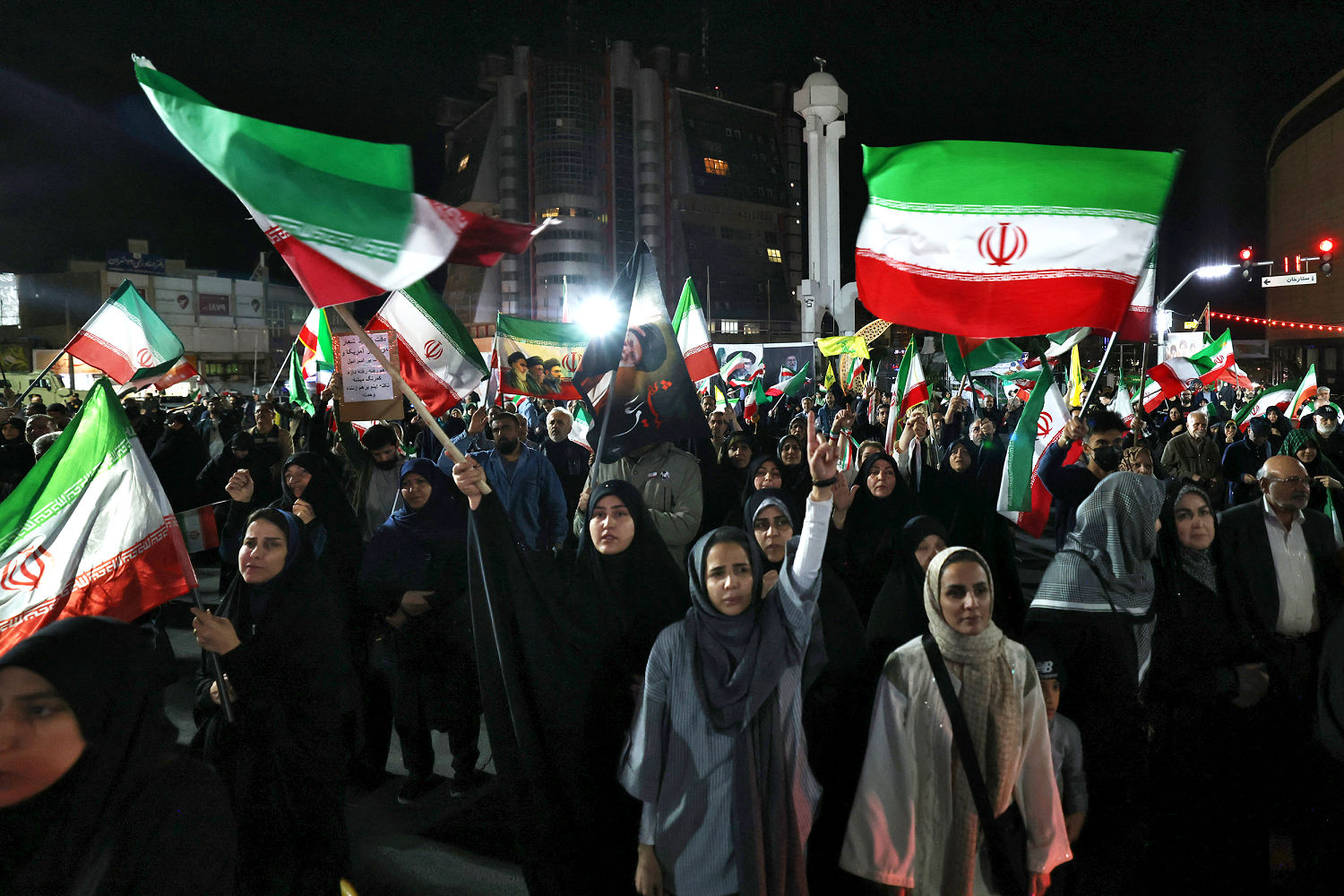
Recently, a flicker of a deal emerged from Tehran. It was a proposal stripped of the usual complexities of uranium enrichment levels and centrifuge counts. Iran suggested a simple trade: a regional peace pact and the guaranteed reopening of the Strait in exchange for a reprieve from the suffocating weight of Western sanctions. No long-term nuclear framework. Just a handshake to stop the bleeding.
Washington didn’t bite.
The Weight of the Invisible
To understand why a "peace for trade" deal feels like a trap to some and a lifeline to others, you have to look at the people who actually live in the shadow of the sanctions. Consider a hypothetical pharmacist in Shiraz named Amin.
Amin doesn't care about the physics of heavy water reactors. He cares about the fact that his refrigerator is empty of specialized asthma medication because the banking channels required to pay for German imports have been cauterized. When the U.S. signals a "cool" reception to a new proposal, Amin doesn't see a geopolitical chess move. He sees another year of breathing through a metaphorical straw.
The American refusal is rooted in a hard-earned skepticism. In the halls of the State Department, the proposal is viewed not as an olive branch, but as a tactical pivot. By decoupling the Strait of Hormuz from the nuclear issue, Iran is attempting to solve its immediate economic crisis without giving up its long-term strategic leverage. It is an invitation to treat the symptom while the underlying condition continues to mutate.
The Geometry of a Choke Point
The Strait is only twenty-one miles wide at its narrowest point. Two miles of that are dedicated to inbound shipping lanes, and two miles to outbound. Between them is a two-mile buffer zone. It is a tiny, fragile ribbon of liquid that holds the weight of modern civilization.
When Iran suggests they can "guarantee" the reopening and safety of this passage, they are acknowledging a chilling reality: they are the ones who can close it. It is a protection racket elevated to the level of high-statecraft. The U.S. position remains that the freedom of navigation in international waters is a non-negotiable right, not a bargaining chip to be traded for sanction relief.
But for the global markets, this stalemate is expensive. Every time a drone is spotted or a tanker is shadowed, insurance premiums for cargo ships spike. Those costs are never absorbed by the shipping giants; they are passed down the line, cent by cent, until they land on your grocery receipt. We are all paying a "Hormuz tax" every time we buy a plastic toy or a gallon of milk.
The Nuclear Shadow
The core of the friction lies in what isn't in the proposal. By offering to end the regional "war" and secure the Strait without a nuclear deal, Iran is asking for the world to look away from the centrifuges.
Imagine a neighbor who keeps a loaded shotgun on his porch. One day, he offers to stop shouting at your kids and promises to let you use the shared driveway in exchange for you paying his property taxes. It sounds like a relief. The shouting stops. The driveway is clear. But the shotgun is still there, and now he has the money to buy more shells.
That is the American perspective. A deal that ignores the nuclear program is seen as a stay of execution rather than a pardon. It provides the Iranian government with the hard currency it needs to stabilize its internal unrest while maintaining the capability to produce a weapon on a shortened timeline.
However, the counter-argument is equally haunting. Every day that a "perfect" deal is pursued, the "good" deal slips further away, and the human cost mounts. The sanctions have not toppled the regime; they have simply hollowed out the middle class. The people most likely to want a Western-facing, modern Iran are the ones being crushed by the very tools intended to "help" them.
The Sound of Silence in the Gulf
There is a specific kind of silence that happens on a cargo ship when the engines are cut. It is heavy. It feels like the world has stopped spinning.
The current diplomatic response from the U.S. feels like that silence. It isn't a "no," but it is a "not like this." It is a cold stare across a very narrow stretch of water. The proposal from Iran was a clever bit of theater—it made the U.S. look like the aggressor for refusing "peace." But peace without a foundation is just a pause in the fighting.
The invisible stakes are the lives of the sailors on those tankers, the families in Tehran trying to buy bread, and the global economy that hums along on the assumption that the dark glass of the Persian Gulf will remain undisturbed.
We are watching a game of chicken played with three-hundred-thousand-ton vessels. The U.S. is betting that economic pressure will eventually force a more comprehensive surrender. Iran is betting that the world’s thirst for oil and a lower cost of living will eventually force the U.S. to take the half-deal.
Neither side seems to realize that while they argue over the terms of the trade, the tide is coming in, and the Ghost in the Strait is getting restless. The water remains calm for now, but in the distance, the horizon is beginning to blur.
Somewhere in the middle of that twenty-one-mile gap, a tanker captain watches his radar, waiting for a signal that may never come, while the rest of us wait for the price of the world to change again.