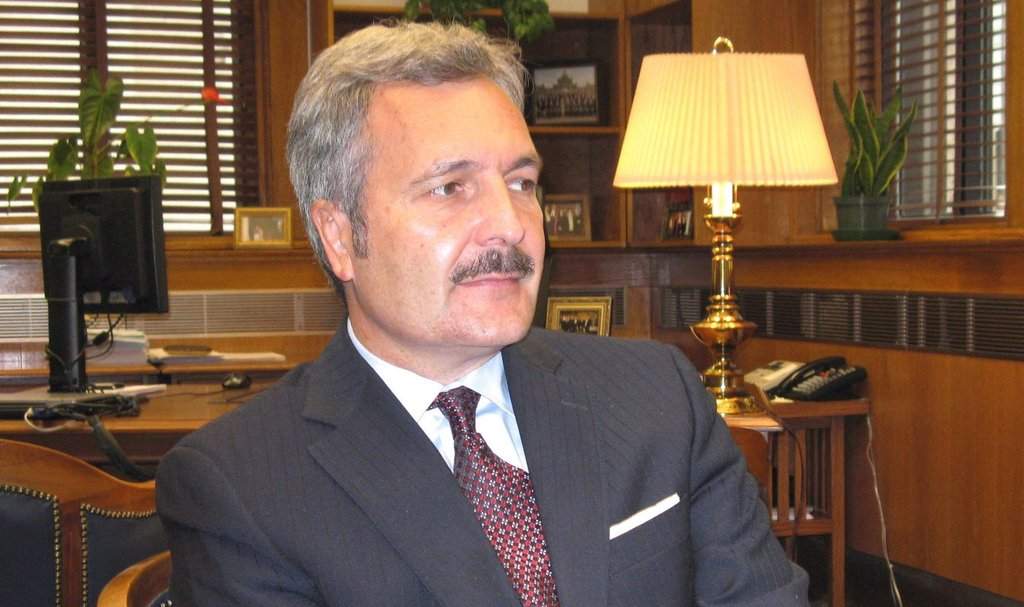
Canada’s highest court is getting a fresh perspective from the prairies, and honestly, it is about time. Prime Minister Mark Carney just dropped a major announcement, nominating Manitoba Chief Justice Glenn Joyal to fill the vacant seat on the Supreme Court of Canada. He takes over from Justice Sheilah Martin, who wrapped up an impressive run by retiring at the end of May.
If you follow Canadian legal circles, you know this is a big deal. The Supreme Court doesn't just settle technical legal disputes. Its nine judges shape the rules, rights, and daily realities for every single Canadian. Tapping a seasoned prairie jurist changes the dynamic in Ottawa, balancing the bench with deep regional trial experience.
The Long Journey of Glenn Joyal to the Supreme Court of Canada
You don't get handed a ticket to Wellington Street overnight. Glenn Joyal has spent more than 25 years building a reputation on the bench. He started out back in 1987 when he was admitted to the Bar of Manitoba. From there, he worked the trenches of criminal and constitutional law, doing stints as a provincial Crown attorney and a federal Crown counsel, before moving into private practice.
The real judicial work started in 1998 when he became a provincial court judge. Joyal climbed the ranks fast. By 2007, he moved up to the Manitoba Court of Appeal, but quickly transitioned over to the Court of King's Bench. He was named Associate Chief Justice there in 2009, and by 2011, he took over as Chief Justice. Leading a massive trial court for 15 years gives a person a very practical view of how laws actually affect regular people, which is exactly what a high court needs.
Beyond his time in the courtroom, his educational background looks like a grand tour of academic institutions. He picked up degrees from Simon Fraser University, the University of Manitoba, and McGill University, and even headed overseas for graduate studies in public law and political theory at Oxford University.
Bridging Language and Cultural Divides
Canada's appointment process has a strict rule about bilingualism. You simply don't get considered for the Supreme Court unless you can handle complex arguments in both English and French without relying constantly on translation. Joyal clears that bar easily. He is a past member of l'Association des juristes d'expression française du Manitoba. As a bit of a bonus, he is also fluent in Italian, having spent time studying the language in Florence and Venice.
Language skills are fine, but what really matters in 2026 is how a judge navigates the evolving relationship between the legal system and Indigenous communities. The Prime Minister's Office highlighted Joyal's long track record of working to advance reconciliation and modernize court operations. In Manitoba, a province with a large Indigenous population and unique justice system challenges, handling these relationships isn't academic. It is daily work. Joyal has focused heavily on improving access to justice, meaning he wants to make the legal system less of an intimidating bureaucracy and more of an open institution for everyday citizens.
What Real Courtroom Inside Experience Tells Us
It is easy to look at an official government resume and see a flawless trajectory. But if you talk to the lawyers who actually argued cases in front of him, you get a much clearer picture of who Glenn Joyal is as a jurist.
On legal forums and around Winnipeg water coolers, lawyers generally describe him as a fair, balanced trial judge. He isn't known as a radical activist or a predictable ideological partisan. Criminal defense lawyers point out that he isn't soft on crime or overly eager to throw out evidence on technicalities, but he has an intense respect for the record. He protects the integrity of the trial. If an accused person or a trial becomes difficult or high-profile, Joyal is known for keeping a steady hand, ensuring that the legal process remains tight and unassailable. That kind of poise is vital when you are reviewing the most complex constitutional appeals in the nation.
He is also heavily plugged into the administration of the wider Canadian judiciary. He serves as the First Vice-Chair of the Canadian Judicial Council's Executive Committee and chairs its Judicial Conduct Committee. Basically, he is one of the people responsible for keeping other judges across Canada accountable. That alone tells you how much his peers trust his ethics and judgment.
What Happens Next in the Selection Process
While Carney has made the nomination official, the process isn't completely finished. Canada uses a transparent review system to vet Supreme Court nominees before they officially take their seats.
The House of Commons Standing Committee on Justice and Human Rights is setting up a special hearing. Justice Minister Sean Fraser will appear alongside the independent advisory board chairperson to explain exactly why Joyal topped the shortlist. After that, Joyal faces a live question-and-answer session. Members of both the House and the Senate will get a chance to query the nominee on his judicial philosophy and past work. The session will be moderated by Anne Levesque, an associate professor at the University of Ottawa Faculty of Law. Once that public scrutiny wraps up, expect Joyal to officially take his oath and get to work on the bench.