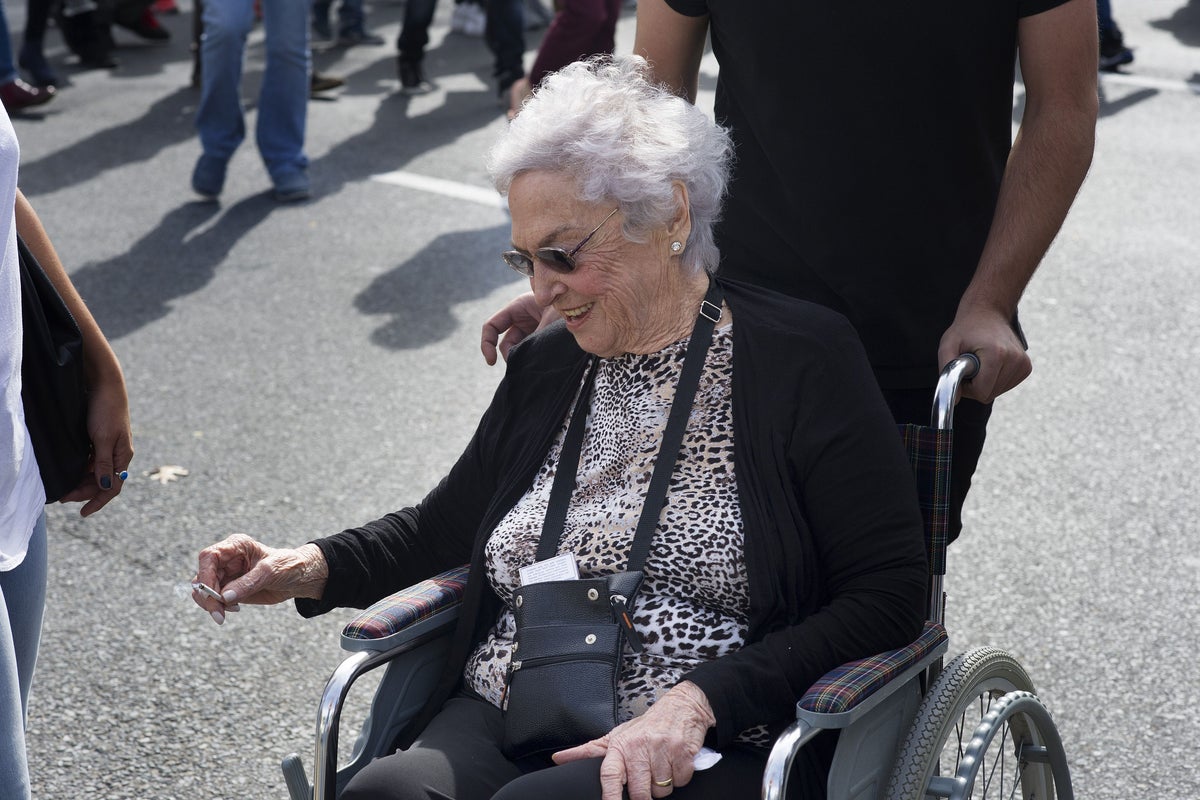
The graying of America has finally collided with the green rush. When a cannabis brand installs a targeted kiosk or vending concept inside a retirement community, the headlines write themselves. It sounds like a progressive win for elderly patients seeking alternative pain relief, anxiety management, and sleep aids without the heavy fog of pharmaceutical narcotics. But beneath the shiny marketing pitch of golden-years wellness lies a minefield of federal prohibition, state regulatory hurdles, and deeply ingrained social stigma that most operators prefer to ignore.
Senior-targeted cannabis distribution is not just a clever marketing maneuver. It is a high-stakes test of how an illicitly born industry attempts to integrate into heavily regulated, conservative retirement ecosystems.
The Logistics Nightmare Behind the Retirement Village Dispensary
Selling cannabis to seniors requires more than just stocking high-CBD tinctures and low-dose mints. It requires navigating a labyrinth of property ownership laws that stop entrepreneurs dead in their tracks.
Most senior living facilities, independent living complexes, and continuing care retirement communities operate under corporate umbrellas or senior housing conglomerates. Even in adult-use states, these properties often sit on land governed by federal guidelines or corporate financing agreements that strictly prohibit Schedule I substances on the premises.
A kiosk placed within a private retirement community exists in a legal gray zone. Operators face immense pressure from compliance boards.
- Property Leases: Landlords retain the ultimate veto power, and corporate risk aversion usually wins over progressive wellness trends.
- Licensing Jurisdictions: Municipalities rarely have zoning codes that account for micro-dispensaries tucked inside residential clubhouses.
- Security Mandates: State cannabis boards demand robust surveillance, ID verification, and inventory tracking that clash with the relaxed aesthetic of a community center lounge.
Insurance policies for retirement villages explicitly exclude federal drug violations. One misplaced delivery or unauthorized sale to a resident under a federally backed healthcare program can trigger a corporate compliance nightmare. The kiosk concept sounds streamlined on paper. In practice, it is a legal tightrope walk.
Who Is Actually Buying the Product
The industry loves to paint a picture of grandmother trading her nightly prescription sleeping pill for an artisanal THC gummy. The reality is far more nuanced, marked by generational hesitation and decades of anti-drug propaganda.
Boomers and the silent generation grew up under the shadow of Reefer Madness. Erasing a lifetime of cultural conditioning takes more than a friendly budtender and a sleek touch-screen terminal.
Older adults who do consume cannabis typically fall into two distinct camps. First, there are the former flower children who never truly stopped, quietly maintaining their habits while dealing with modern joint pain. Second, and far more common, are the medical newcomers. These are individuals in their seventies and eighties experiencing chronic arthritis, neuropathy, or insomnia for the first time, desperate for relief after traditional medicine failed them.
They do not want a neon sign or a high-pressure sales pitch. They want education, discretion, and precise dosing.
When a brand introduces a dedicated distribution point in a retirement community, they assume seniors will flock to it out of convenience. Instead, many residents feel targeted or patronized. The stigma of being associated with "drug culture" still carries weight among retired professionals, military veterans, and conservative seniors who worry about what their bridge partners might say.
The Form Factor Challenge
Edibles and traditional smoking methods do not solve the physiological needs of the demographic. Combustion is a non-starter for individuals with compromised lungs or COPD. High-dose edibles risk triggering intense panic attacks in naive consumers who cannot metabolize THC efficiently.
Successful senior-focused retail requires an entirely different inventory strategy.
- Micro-dosing: Products containing two point five milligrams of THC or less are essential for building trust and avoiding adverse reactions.
- Topical Relief: Transdermal patches, balms, and lotions that offer localized pain relief without psychoactive side effects dominate sales among older demographics.
- Clear Labeling: Font sizes matter. Complex terpene profiles mean nothing to an eighty-year-old struggling to read a microscopic label on a child-resistant cap.
Child-resistant packaging itself presents an ironic barrier. The very mechanisms designed to keep toddlers safe often lock out seniors suffering from arthritis, tremors, or diminished grip strength. If a resident cannot physically open the container, the most advanced cannabis kiosk in the world is useless.
The Medical Establishment Pushback
Mainstream geriatricians remain deeply divided on the integration of cannabis into elder care. While forward-thinking physicians quietly acknowledge that cannabis is safer than chronic opioid use for pain management, institutional medicine refuses to endorse it.
Doctor-patient communication breakdowns plague the demographic. Seniors are often terrified to tell their primary care physicians that they are experimenting with cannabinoids, fearing judgment or a change in their standard treatment plans. Without medical oversight, older adults rely on anecdotal advice from neighbors or enthusiastic sales staff at retail kiosks.
Drug-to-drug interactions pose a legitimate health hazard. Cannabinoids metabolize through the liver using the same cytochrome P450 enzyme pathways as many common blood thinners, blood pressure medications, and statins. An unmonitored edible habit can dangerously alter the concentration of vital pharmaceuticals in a senior's bloodstream.
The Financial Reality of Niche Retail
Pop-up kiosks and micro-dispensaries in retirement hubs carry heavy operational overheads with razor-thin profit margins. Unlike a high-volume urban storefront, a senior community installation relies on a closed-loop customer base.
Retention depends entirely on trust. One bad product experience, such as a mislabeled edible or a delayed delivery, spreads through a retirement community faster than local gossip. Once trust is lost, regaining it is virtually impossible.
Brands rushing into this space are discovering that older demographics are remarkably loyal to brands that treat them with respect, but they are unforgiving of amateur execution. The rush to capture the silver dollar of the cannabis market has often overlooked the foundational requirement of healthcare integration: safety, reliability, and absolute transparency.
The future of senior-targeted cannabis distribution will not be defined by flashy tech or convenient kiosks tucked next to the community mailboxes. It will be built slowly, through quiet education, clinical validation, and products designed specifically for aging bodies that require healing, not a high.