The timing is almost eerie. Just as the Middle East energy corridor is choking under the weight of the 2026 Iran war, a massive lifeline has flickered to life on the Texas coast. Golden Pass LNG, the $10 billion joint venture between QatarEnergy and ExxonMobil, officially started production this week.
If you've been watching gas prices lately, you know the global market is essentially screaming for help. With the Strait of Hormuz effectively a no-go zone and Qatar's own Ras Laffan facility hobbled by missile strikes, the world didn't just need more gas—it needed gas that doesn't have to navigate a combat zone. Golden Pass is exactly that.
I’ve followed this project since the final investment decision back in 2019. Back then, it was just another play for US export dominance. Today, it’s a geopolitical insurance policy that's finally paying out.
The Sabine Pass lifeline
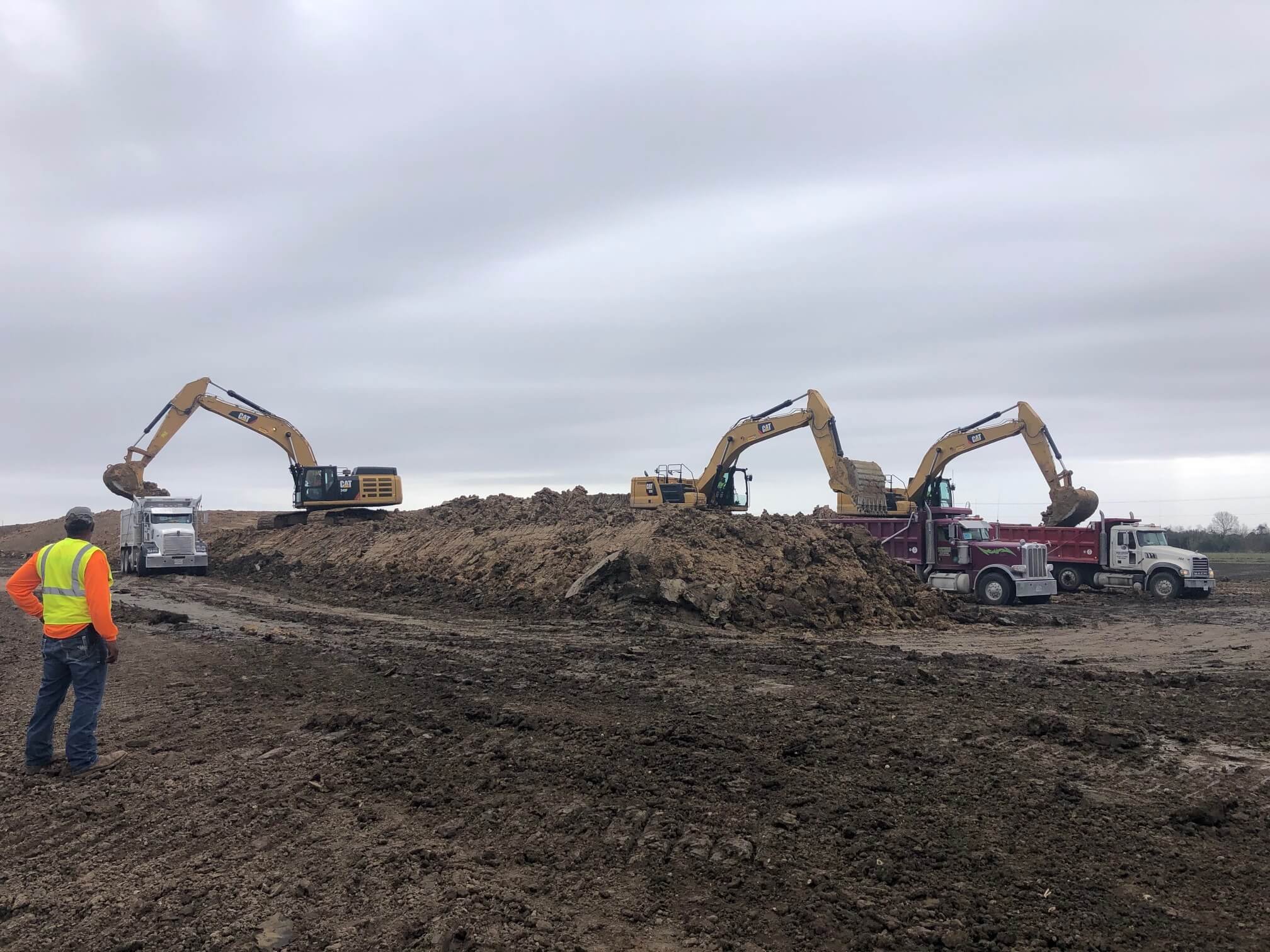
The first of three liquefaction "trains" is now humming at the Sabine Pass terminal. For the uninitiated, a train is just a massive industrial freezer that turns natural gas into a liquid so it can be pumped onto ships. This first unit alone adds about 6 million metric tons per year (mtpa) to the global tally.
When the whole site is finished, we're talking 18 million tons. That’s enough to make it a top-tier global player on its own. QatarEnergy owns 70% of this Texas plant, which creates a fascinating dynamic. While their home production in the Persian Gulf is under fire—literally—they're able to fulfill their global contracts using gas pulled straight from American shale fields.
It’s a masterclass in risk diversification. Qatar saw the writing on the wall years ago and decided that being the world's gas king meant owning the supply chain on both sides of the Atlantic.
Why the Iran conflict changed the math
Usually, a new LNG plant opening is a quiet industry affair. Not this time. The 2026 conflict has fundamentally broken the old energy maps.
- Supply Gaps: The closure of the Strait of Hormuz on March 4th stranded nearly 20% of the world’s LNG supply overnight.
- Infrastructure Damage: The strikes on Ras Laffan on March 18th weren't just flesh wounds; analysts say that damage will take three to five years to fully repair.
- Price Spikes: Asian spot prices have jumped over 140% this month. Europe isn't far behind, with storage levels sitting at a measly 30% after a brutal winter.
The US has been the "swing producer" for a while, but we’ve been running at 100% capacity. We couldn't send more gas even if we wanted to because the pipes were full. Golden Pass changes that reality. It provides the first actual "new" capacity the market has seen since the war broke out.
The irony of Qatari-American cooperation
There's a certain irony in the fact that the very country currently under siege in the Gulf—Qatar—is the one providing the solution from a port in Texas. Some critics argued years ago that the US shouldn't let foreign state-owned entities control such a huge chunk of our export infrastructure.
Honestly? Those critics look wrong today.
The partnership with ExxonMobil has kept this project moving through labor shortages and cost overruns that would've killed smaller firms. Because QatarEnergy has deep pockets and a long-term vision, they didn't flinch when the budget climbed past $10 billion. They knew the world would eventually be desperate for what they were building.
What this means for your wallet
Don't expect your home heating bill to drop tomorrow. US natural gas prices at the Henry Hub have stayed weirdly stable around $3/MMBtu while the rest of the world burns. We have plenty of gas; we just haven't been able to get it out of the country fast enough.
The real impact is on global stability. By providing a reliable source of gas to Japan, South Korea, and Germany, Golden Pass helps prevent a total industrial collapse in those regions. When German factories stay open, the global economy doesn't tank. That’s the real "hidden" benefit here.
Getting the gas moving
The first actual cargo isn't expected to sail until the second quarter of 2026. Right now, they're "cooling down" the system and making sure the first train runs stable. You can't just flip a switch on a facility this size; it's a delicate dance of chemistry and physics.
If you’re looking at the energy sector, keep an eye on the following:
- Shipping Routes: Watch if these cargoes are pre-sold to Asian buyers or if they go to the highest bidder in Europe.
- Train 2 and 3: The speed at which the next two units come online will dictate how fast the global supply crunch eases.
- Local Impact: This project has already pumped billions into the Southeast Texas economy, but the permanent jobs are where the long-term value lies for the Port Arthur area.
The era of "easy" energy from the Middle East is over for now. The 2026 Iran war made sure of that. But as Golden Pass starts its engines, it’s clear that the new center of gravity for global energy security has shifted firmly to the Gulf of Mexico.
If you're tracking the market, don't just watch the headlines about the war. Watch the shipping manifests leaving Sabine Pass. That's where the real power is shifting.