Every morning, millions of white-collar workers file into gleaming high-rise office buildings, carrying the quiet anxieties of modern deadlines, endless emails, and lukewarm coffee. They sit beneath fluorescent lights, tap at keyboards, and occasionally walk down the hall to empty their bladders. To them, that act is trivial. A flush, a rush of water, and the problem vanishes down a dizzying labyrinth of municipal pipes, never to be thought of again.
Out of sight, out of mind.
Except that what we flush away is not merely waste. It is a concentrated elixir of energy, raw materials, and agricultural nutrients that modern society treats like an expensive nuisance. We take pristine drinking water—treated to the highest standards of human purity—and use it as a high-speed transport system for things our bodies naturally reject. Then, we spend billions of dollars on industrial fertilizer to grow our food, and even more energy to treat the resulting wastewater so it does not poison our rivers.
The loop is broken. We have been throwing away our own fuel.
Picture a hypothetical office worker named Marcus. He works on the twelfth floor of a concrete-and-glass tower downtown. Marcus drinks his morning espresso, answers twenty emails about quarterly targets, and goes about his day. He has no idea that the biological byproduct of his coffee break holds the potential to charge the very laptop he is typing on.
In the Netherlands, a team of researchers looked at that exact office building dynamic and decided to stop accepting the absurdity of our sanitation habits. They built a system designed to catch the amber liquid before it ever mixes with the chaotic soup of traditional sewage.
At the center of this experiment is a clever piece of bio-engineering. Microbial electrochemical systems.
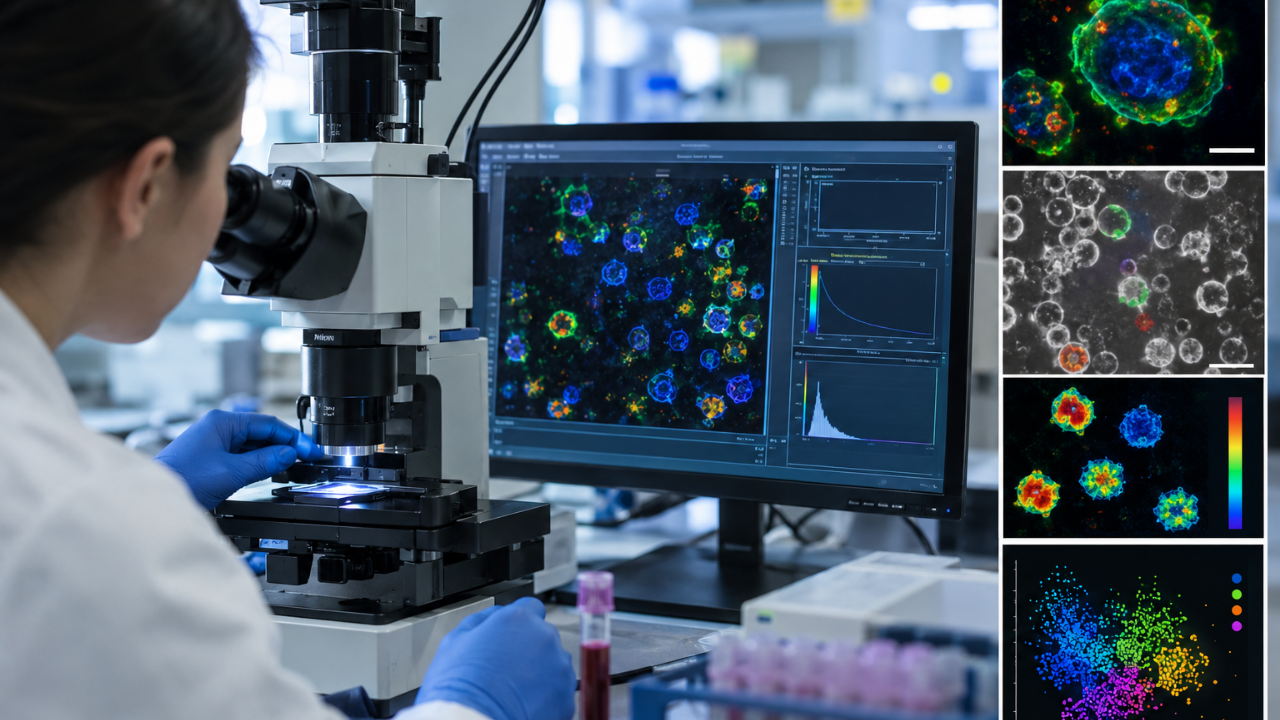
To understand how this works without getting lost in academic jargon, imagine a microscopic battery fueled by bacteria. (Note: This is a biological analogy, not a literal Duracell). Inside these specialized bioreactors, specific strains of bacteria consume the organic compounds found in human urine. As these tiny organisms feast, they strip electrons away from the molecules. Those freed electrons are captured by an anode and pulled toward a cathode, creating a steady, measurable electric current.
Electricity generated from human waste.
Suddenly, the office building is no longer just a consumer of municipal resources. It is a producer. The urine collected from specific, diverted dry-flush urinals is routed directly into these compact treatment units hidden in the basement. The microbial cells do the heavy lifting, converting chemical bonds directly into wattage. It is small-scale at first—enough to power low-voltage LED hallway lights or sensor faucets—but the implications ripple outward like waves in a pond.
Power is only the beginning of the story.
Consider what else is dissolved in that amber stream. Phosphorus. Nitrogen. Potassium. The holy trinity of agriculture.
For decades, modern farming has relied on mined phosphorus—a finite mineral resource extracted from rapidly depleting rock quarries around the globe. Without phosphorus, crops fail. Without crops, populations starve. Geopolitical disputes over fertilizer supply chains frequently threaten global food security, yet humanity continues to dump millions of tons of agricultural-grade nutrients straight into the ocean via standard wastewater treatment plants.
The Dutch scientists realized that separating urine at the source allows for the direct recovery of these vital elements. Through chemical precipitation, the phosphorus and nitrogen can be crystallized into solid, reusable fertilizers. No complex extraction required. No long-distance shipping from foreign mines. Just closed-loop circularity, harvested quietly in the basement of a workplace while the employees upstairs argue about marketing strategies.
And then, there is hydrogen.
When you apply electrolysis to the treated liquid byproduct after the microbial phase, water molecules and remaining compounds can be split to yield hydrogen gas. Clean hydrogen. The holy grail of green energy transition, traditionally produced using massive amounts of electricity or natural gas, can potentially be coaxed out of the very liquid we flush away in our daily routines.
Hydrogen fuel cells could one day power the delivery vans idling outside the office loading dock, all fueled by the collective morning routines of the people working inside.
Skeptics will point out the obvious hurdles. Plumbing retrofits are notoriously expensive. Building codes are ancient, rigid, and deeply attached to the flush-and-forget mentality of the nineteenth century. Public perception, too, carries a psychological barrier. We are culturally conditioned to view human waste with visceral disgust rather than clinical utility. Mentioning urine in polite conversation brings a nervous chuckle, let alone suggesting that our office buildings become decentralized utility plants.
Yet, necessity has a way of rewriting social taboos.
Water scarcity is no longer a dystopian fiction; it is a creeping reality for major metropolitan areas around the world. Energy grids are strained to their breaking point by extreme weather and rising demand. The linear economy—take, make, waste—is breaking down under the weight of its own inefficiency.
When you stand in a modern office washroom, look down at the porcelain basin. Imagine a near future where that fixture is wired into the building's microgrid. Imagine the basement humming with microbial life, quietly converting the morning rush into clean electrons, agricultural fertilizer, and clean-burning fuel.
We do not need to look to distant planets or impossible technological miracles to solve our resource crises. The answers are already flowing through us, waiting for us to catch them.