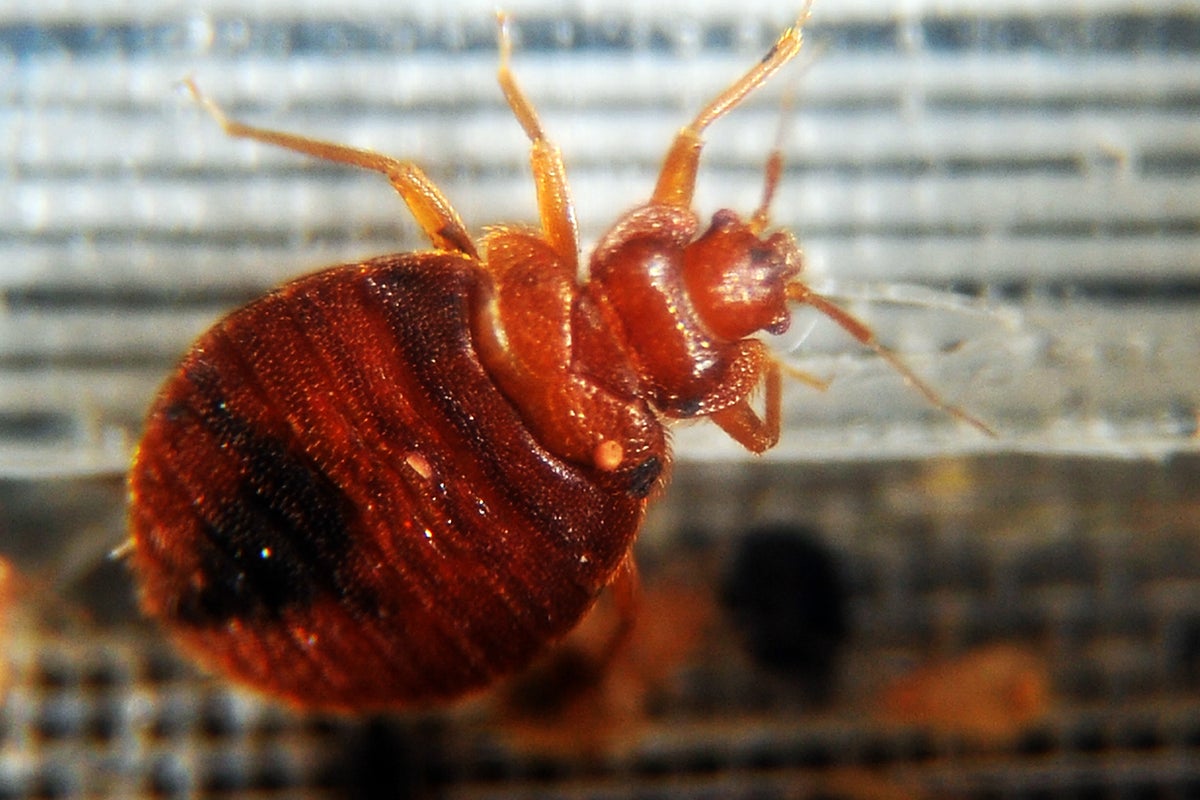
You can't make this up. The federal office responsible for tracking and fighting invasive insects is currently crawling with bed bugs.
It’s happening at the U.S. Department of Agriculture’s George Washington Carver Center in Beltsville, Maryland. Specifically, the outbreak has taken over Building 3, which houses the Animal and Plant Health Inspection Service (APHIS). This is the exact agency we rely on to protect American agriculture from devastating pests like avian influenza and the New World screwworm. Yet, they can't seem to clear a tiny bloodsucker from their own cubicles.
The situation has dissolved into a complete mess of toxic fumes, bureaucratic finger-pointing, and terrified workers. Here is what is actually going on inside the infested halls of APHIS, why the current cleanup is failing, and what it teaches us about handling these brutal pests in real life.
A Rushed Fumigation and Toxic Offgassing
This nightmare started in mid-May when workers first spotted the bugs. Because the Trump administration has been actively pushing a strict return-to-office mandate, letting federal employees work from home is usually out of the question. But a bed bug outbreak is tough to ignore. Management relented and sent staff home to telework for a few days while exterminators bombed the building.
That’s where the first major mistake happened. They rushed it.
Management wanted bodies back in chairs immediately. When employees returned to the office, the chemical fumes were so thick and overpowering that people started getting visibly sick. The workplace hadn't aired out properly. It was an offgassing disaster, forcing a embarrassed management team to send everyone back home for a second round of unplanned remote work.
Fast forward to last week. Employees returned once more, only to find the exact same thing waiting for them. The bed bugs were back.
The Blame Game and Forced Office Attendance
Instead of admitting the rushed treatment failed, agency leadership turned on the staff. In an email sent to employees, Carson Hawley, APHIS’s acting chief operating officer, explicitly blamed workers for the resurgence. She cited “insufficient compliance regarding personal items” left in the offices as the reason the bugs survived.
The new directive? Employees must pack all their personal belongings into plastic garbage bags and remove them from the building entirely so another round of mitigation can happen.
Even worse, the USDA is drawing a hard line. No more telework. If you don't want to sit in a cubicle that might be crawling with hitchhiking parasites, you have to burn your personal vacation days.
Honestly, it’s a brutal position to put workers in. Employees are terrified, and for good reason. If they bring infested personal items or backpacks home, they risk bringing the nightmare into their own bedrooms. Eradicating a residential infestation out of pocket can easily cost thousands of dollars. Some staff members are currently discussing filing formal complaints with the Occupational Safety and Health Administration (OSHA), though many admit they fear professional retaliation under the current political climate.
Why Rushing Bed Bug Treatment Never Works
The disaster at APHIS highlights a fundamental truth that top pest control experts have known for years. You cannot rush an eradication. When you try to cut corners just to beat a clock or meet an in-office attendance quota, the bugs will win every single time.
Bed bugs are built to survive superficial chemical treatments. They don't just sit out in the open on desk chairs. They squeeze into the tiniest crevices imaginable: inside electrical outlets, behind baseboards, underneath carpet tiles, and deep within the seams of office dividers.
Furthermore, many modern strains have developed a terrifying genetic resistance to standard pyrethrins and pyrethroids, which are the most common chemicals used in cheap commercial insect bombs. When you spray these chemicals rapidly without a deep, methodical plan, you don't kill the colony. You just flush them out, causing them to scatter deeper into the walls or move to adjacent rooms to wait out the storm.
How to Actually Handle an Office Infestation
If you ever find yourself dealing with an outbreak at your own workplace, you need to use Integrated Pest Management (IPM). This is the comprehensive strategy recommended by the U.S. Environmental Protection Agency (EPA), even if the USDA is currently failing to execute it.
Here is what works in the real world vs. what sounds good to a bureaucrat.
Ditch the Quick Chemical Bombs
Relying solely on chemical sprays is a losing battle. A real eradication requires a multi-pronged attack. Professionals need to use industrial heat treatments, which raise the ambient temperature of a space to at least 113°F (45°C) for several hours to kill both the bugs and their microscopic, chemical-resistant eggs.
Use Physical Barriers and Desiccants
In a massive office building, you have to use targeted tools. This means applying EPA-registered desiccants, like silica gel, into wall voids and cracks. Desiccants work physically rather than chemically. They destroy the waxy outer coating of the insect, causing it to dehydrate and die. Because it is a mechanical kill, bed bugs cannot develop a resistance to it.
Isolate Personal Items Safely
Management’s idea to just have workers carry potentially infested bags home is a recipe for a spreading disaster. Instead, offices should provide on-site thermal treatment chambers or heavy-duty commercial dryers. Bags, coats, and papers should be run through high heat (at least 120°F) for 30 minutes right there at the office before anything crosses a domestic threshold.
If your employer tries to force you into an unsafe, infested workplace, don't just take it lying down. Document every single sighting with photos and dates. Keep a paper trail of all management communications. If they refuse to provide a safe environment free of both parasites and toxic, un-aired chemicals, bypass internal channels entirely and file a formal workplace safety complaint directly with OSHA. You have a legal right to a safe workplace, even if that workplace is supposed to be the one tracking the bugs.