The collapse of the musical lineup for the Great American State Fair on Washington’s National Mall demonstrates the impossibility of staging a non-partisan event under a hyper-partisan administration. Within forty-eight hours of unveiling the roster for the sixteen-day festival celebrating America’s 250th anniversary, organizers watched at least seven of the nine featured acts walk away. Promoted by Freedom 250, a nonprofit launched by President Donald Trump and managed by his former State Department appointees, the event was explicitly pitched to talent managers as a neutral, patriotic celebration of the nation's semiquincentennial. The reality was far different.
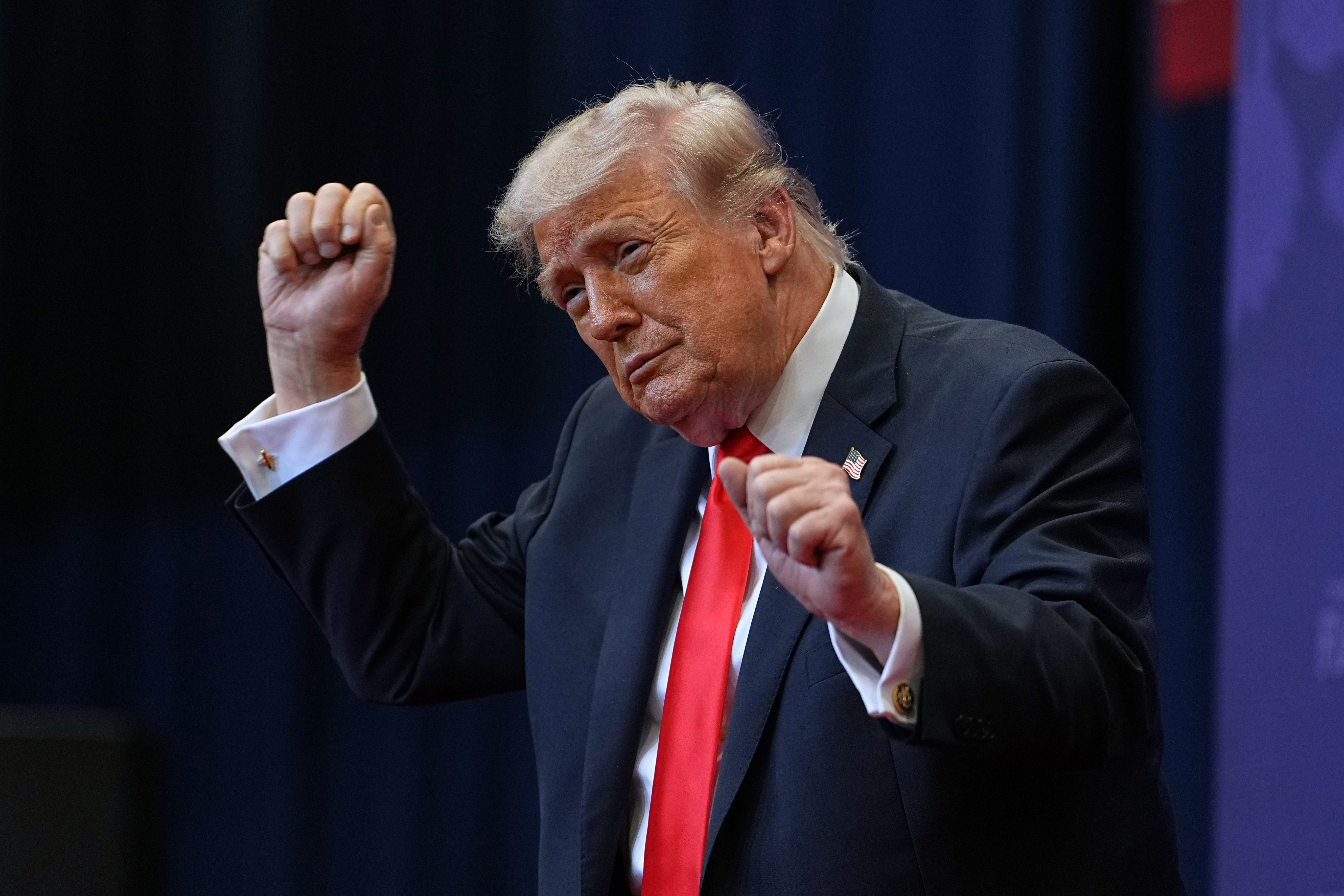
Performers like country star Martina McBride, Poison frontman Bret Michaels, R&B veterans the Commodores, and hip-hop artist Young MC pulled out after realizing the festival was deeply tied to the president’s political operation. Rather than managing the fallout quietly, Trump pivoted, mocking the musicians on social media and announcing that he would headline the event himself.
The rapid unraveling exposes a systemic breakdown in entertainment industry booking practices and underscores how toxicity now defines corporate and cultural sponsorships.
How the Freedom 250 Bait and Switch Worked
Booking talent for national milestone events usually relies on a standardized, predictable process. National committees coordinate with legacy talent agencies like CAA, WME, or UTA to secure mainstream acts that appeal to broad demographics. However, documents and statements from the departing artists reveal that Freedom 250 bypassed traditional transparency protocols to build its roster.
Martina McBride noted that her team asked direct questions about the event’s backing and received explicit assurances that the performance schedule was strictly non-partisan, designed only to honor all fifty states. Young MC described the approach as a classic bait-and-switch. Agents were pitched a generalized "DC summer concert series honoring veterans and first responders" without any mention of the White House or its auxiliary political organizations.
The administrative breakdown was so profound that some acts found themselves on the promotional billing without ever signing a contract. Members of Milli Vanilli expressed shock upon seeing their group listed on the official flyer.
When the independent music publication Spin broke the story detailing the direct funding and management ties between Freedom 250 and Trump's political inner circle, the corporate architecture of the festival became clear. The realization triggered an immediate wave of cancellations as artists scrambled to protect their brands.
The Cost of Corporate and Cultural Collateral
For a touring artist, a booking is not merely a payday. It is an implicit endorsement of the venue, the sponsors, and the organizational framework. Modern entertainment law and brand management dictate that commercial neutrality is a prerequisite for sustaining multi-generational fan bases.
| Performer | Initial Scheduled Date | Stated Reason for Withdrawal |
|---|---|---|
| Martina McBride | June 25 | Misleading claims regarding non-partisan status |
| Young MC | June 26 | Lack of disclosure over political involvement |
| Morris Day & The Time | June 27 | Denied involvement; characterized billing as a rumor |
| The Commodores | Early July | Explicit withdrawal following political disclosure |
| Bret Michaels | July 3 | Safety concerns, industry pressure, and divisiveness |
The financial implications of these cancellations extend beyond lost performance fees. For legacy acts, the true risk lies in consumer boycotts, lost streaming revenue, and the sudden alienation of corporate tour sponsors.
Bret Michaels explicitly cited escalating safety concerns for his crew and fans alongside the sudden injection of partisan division as his reasons for stepping down. The toxic discourse that immediately surrounded the announcement made the gig a liability for any artist hoping to maintain an unpolarized audience.
The Fallback Roster and the Pivot to Political Rallies
With the mainstream lineup gone, the festival's structure has fundamentally shifted. Only a handful of performers, including Vanilla Ice and Flo Rida, chose to remain on the schedule.
Trump’s decision to step into the headlining slot changes the nature of the entire sixteen-day event. An anniversary fair intended to feature agricultural exhibits, state-specific pavilions, and family attractions on the National Mall will now function as a backdrop for a presidential rally.
On Truth Social, Trump criticized the departing musicians as "highly paid, third-rate artists" experiencing "the yips." He then declared that he would personally kick off the historic celebration.
This reaction highlights a structural shift in how national events are managed. When traditional cultural institutions refuse to participate, the administration simply replaces them with political branding.
The Institutional Failure of Milestone Celebrations
Historically, major national milestones have relied on bicameral, bipartisan commissions to prevent the weaponization of patriotism. The 1976 American Bicentennial succeeded because its governing board was insulated from executive overreach, allowing it to feature a diverse array of global and domestic cultural icons without controversy.
Freedom 250 discarded this blueprint. By centering the semiquincentennial around a single political faction, organizers guaranteed a cultural boycott. The National Mall will still host the fair from June 25 through July 10, but the event can no longer claim to represent a unified national celebration.
Instead, the festival serves as a case study in the balkanization of American entertainment. When cultural events are co-opted for political branding, the inevitably resulting exodus leaves the stage open only to the politicians themselves.