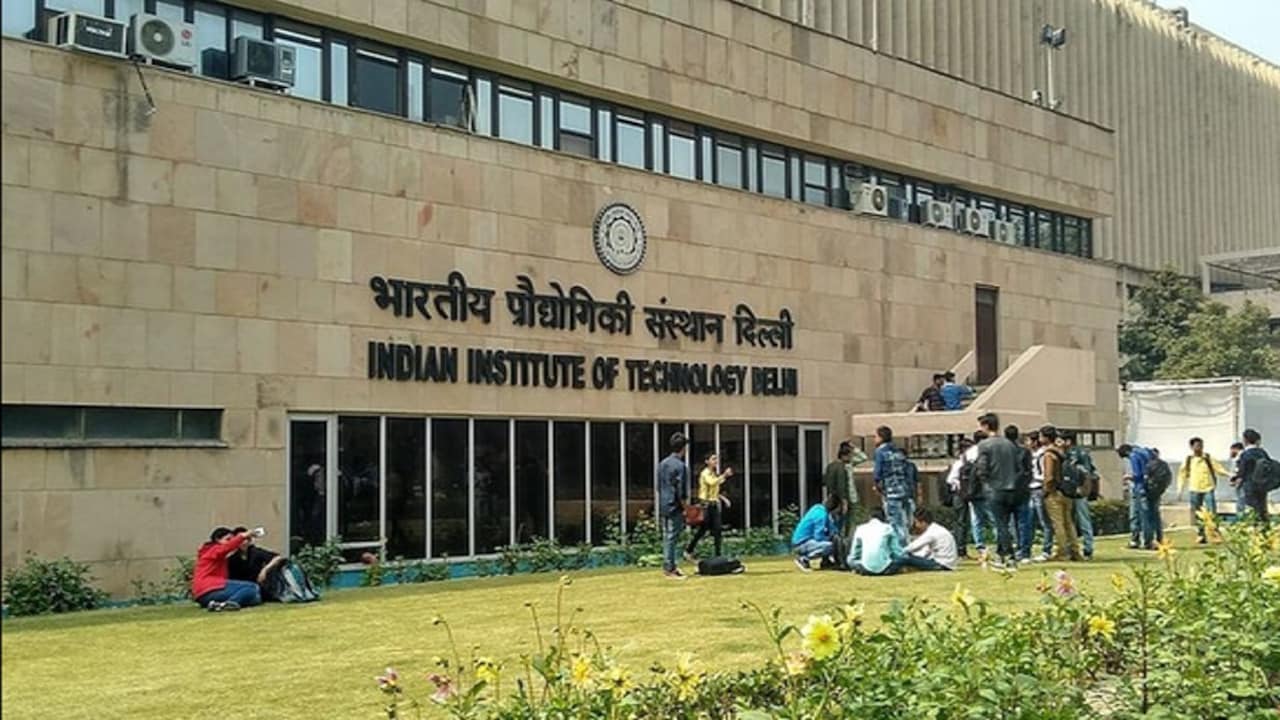
For decades, the Indian Institute of Technology brand functioned as a golden ticket. You cracked the Joint Entrance Examination. You survived the intense pressure cooker of campus life. You stepped onto the graduation stage. After that, high-paying tech jobs, corporate leadership tracks, and startup offers practically chased you down.
That script is ripping apart at the seams.
Today, top degree-holders are sitting at home refreshing email inboxes. Job offers are drying up. Placement cells are panicking. The market has shifted beneath our feet. If you still think an elite engineering tag guarantees financial security, you are living in the past.
Let us look at what is actually happening behind the pristine campus brochures.
The Illusion of the IIT Brand in a Saturated Market
Every single year, over a million teenagers spend months locked in coaching centers across Kota and Hyderabad. They sacrifice their teenage years for a single exam. Why? Because society tells them that an IIT seat equals permanent immunity from economic struggle.
Reality hits hard on day one of graduation.
The tech industry is no longer throwing absurd salaries at fresh graduates just because they know advanced calculus or algorithmic problem-solving. Companies want immediate productivity. They want people who can build systems, handle clients, and ship code on day one. When elite graduates hit the job market with pure theoretical brilliance and zero practical execution capability, employers pause.
Mass hiring sprees from global tech giants are history. Companies are flattening their hierarchies. Automation and artificial intelligence tools are writing basic code faster than any junior developer ever could. If your primary skill is writing standard data structures in C++, you are competing with algorithms. You are going to lose.
"We used to hire for pedigree. Now we hire for output. The pedigree just gets you an interview. The output gets you the job." — Senior Engineering Director at a Bangalore SaaS firm.
What Elite Institutions Are Missing
Engineering education in premier institutes remains heavily anchored in theory. Professors teach timeless mathematical foundations. That is valuable, but it leaves a massive skills gap.
Consider what actually happens in a modern software team. You need to understand cloud architecture, version control, agile sprint cycles, product management, and cross-functional communication. Most graduates learn these things on the fly during stressful internships—if they manage to secure them.
When the macroeconomic climate cools down, companies stop taking bets on raw potential. They want proven execution.
- Theoretical weight: Heavy focus on academic papers and exams.
- Practical application: Minimal exposure to real-world product lifecycles.
- Soft skills: Almost zero training in negotiation, stakeholder management, or commercial awareness.
This mismatch creates an overqualified, under-skilled workforce. You have people who can solve complex differential equations but struggle to write a clean pull request or explain technical trade-offs to a non-technical product manager.
The Crunch Is Hitting the Entire Ecosystem
It is not just software engineering. Core engineering branches like mechanical, civil, and chemical engineering have faced placement droughts for years. Now, computer science and data science are catching up to that grim reality.
When placement season opens at top-tier campuses, the numbers look deceptive on paper. Institutes report high placement percentages by bundling diverse roles together. Look closer. Many roles are sales positions, technical support, or junior administrative functions that pay a fraction of what traditional engineering roles used to command.
Students who spent years chasing a multi-crore dream package find themselves staring at modest entry-level offers. Many choose to sit out placements entirely to prepare for higher studies or government exams. That is a massive waste of human capital.
How to Fix Your Career Trajectory Right Now
You cannot control macroeconomic headwinds. You cannot force venture capitalists to fund unprofitable startups. You can control your own execution strategy.
If you are an engineering student or a recent graduate facing this brutal market, throw away the traditional playbook. Stop relying on campus placement cells to save you.
First, build in public. Stop treating your code and projects as secret academic assignments. Push everything to GitHub. Write technical blog posts explaining how you built specific tools. Make your work visible to founders and engineering managers who hang out on professional networks.
Second, master product thinking. Code is just a tool to solve business problems. If you do not understand how a feature impacts revenue, user retention, or churn, you are just a factory worker typing syntax. Shift your mindset from a task-completer to a value-creator.
Third, diversify your network. The best jobs never make it to public job boards. They get filled through internal referrals. Reach out to alumni at companies you admire. Do not ask for a job. Ask for five minutes of their time to learn about their team's biggest technical bottlenecks.
The gold rush era of elite degrees is over. Competence, adaptability, and real-world execution now rule the room. Drop the entitlement, pick up practical tools, and start building things that matter.