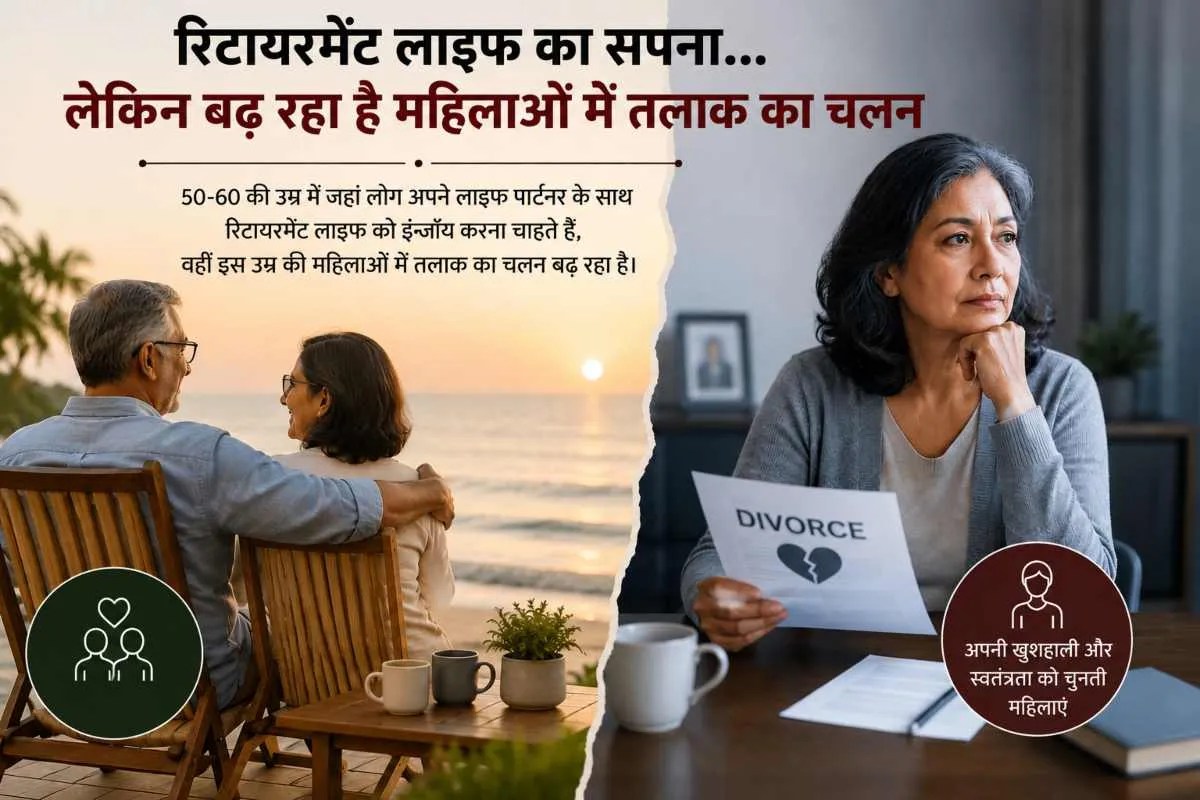
Decades ago, walking away from a marriage at age fifty-five meant social exile and financial ruin. Today, it means a second lease on life. Across urban India and industrializing economies worldwide, a quiet structural shift is reshaping domestic realities. Women in their fifties and sixties are initiating divorces at unprecedented rates. This phenomenon, often termed gray divorce, shatters the long-standing assumption that couples who survive empty nests and midlife crises will automatically stay together until the end.
The standard narrative blames sudden midlife boredom or irreconcilable differences. That explanation misses the mark entirely. Decades of legal precedents, changing economic independence, and shifting generational expectations have transformed marriage from a lifelong economic necessity into an emotional partnership. When that partnership hollows out, modern women refuse to stay out of habit or social pressure. Building on this topic, you can also read: Why The Grotto Of The Redemption Is A Monument To Ego Not Faith.
The Economics of Staying Versus Leaving
Money dictates exit strategies. Fifty years ago, a woman exiting a long-term marriage risked immediate poverty due to restricted access to credit, property rights, and career opportunities. That baseline has shifted. Urban centers now house millions of women who control their own finances, hold professional degrees, or retain independent retirement portfolios.
Consider a hypothetical case representing a broader societal trend. Sunita, a fifty-eight-year-old corporate consultant in Delhi, spent thirty years managing household logistics while maintaining a parallel career. By the time her children finished university, the financial friction of ending her marriage had evaporated. She possessed her own apartment, independent savings, and a pension plan. Remaining married to a partner who expected traditional subservience offered no financial upside and immense emotional cost. Observers at ELLE have shared their thoughts on this matter.
Financial self-reliance removes the primary barrier to exit. When survival no longer depends on a spouse's income, the threshold for tolerating emotional neglect drops to zero.
The Weight of Emotional Exhaustion
For generations, women absorbed the emotional labor of maintaining family structures. They managed extended kin relationships, orchestrated social calendars, and mediated domestic conflict. As couples cross the threshold into their fifties, children leave home, and the daily distraction of parenting vanishes. Husbands and wives are suddenly forced to look across the breakfast table at a stranger.
Many men, socialized to prioritize external status, invest little effort in maintaining internal domestic bonds. They retire or reach peak career stability expecting a dedicated caregiver. Women, conversely, realize they have decades of healthy life ahead. The realization is stark. Why spend the remaining third of life managing an unfulfilling arrangement simply because it endured the first two thirds?
Sociologists note that midlife triggers a profound reassessment of identity. Men often seek comfort and domestic service. Women often seek autonomy, intellectual stimulation, and emotional reciprocity. When those desires clash, the marriage cracks.
Legal Realities and Social Stigma
India's legal framework for divorce remains notoriously protracted. Litigation under the Hindu Marriage Act or the Special Marriage Act can drag on for years, testing the emotional and financial resilience of both parties. Yet, women initiating gray divorce frequently demonstrate higher tenacity than younger applicants. They have less fear of social judgment.
Stigma still exists, particularly in traditional suburban and rural pockets. Whispers from extended family carry weight. Gossip at social gatherings stings. But for a woman who has survived three decades of marital stagnation, social gossip registers as background noise. The fear of being single no longer outweighs the daily reality of being chronically lonely inside a shared home.
Judicial attitudes are also evolving. Family courts in metropolitan areas increasingly recognize non-financial contributions, such as homemaking and managing family enterprises, when calculating alimony and property divisions. This legal shift validates decades of unpaid labor, providing women with the resources necessary to secure independent housing and healthcare in their later years.
The Ripple Effect on Next Generations
Adult children occupy a complex position in gray divorces. Younger generations often react with surprise, followed by pragmatic support. Unlike previous decades where adult children demanded parental reconciliation to protect family reputation, millennials and Gen Z professionals view personal fulfillment as a baseline human right.
Children frequently witness decades of silent tension between their parents. When separation finally occurs, the immediate reaction from adult offspring is often relief. The household dynamic transforms from a tense, hostile environment into two separate, peaceful spaces where both parents can function without friction.
This generational endorsement accelerates the trend. Younger women watch their mothers reclaim independence, internalizing the lesson that marriage is a choice, not an inescapable sentence.
Looking Past the Statistics
Numbers alone fail to capture the human transformation occurring behind closed doors. Gray divorce is not a sign of societal collapse. It is an indicator of rising standards for personal well-being. When individuals live longer, healthier lives, the definition of a successful life expands beyond enduring a bad situation for the sake of appearances.
The trend will continue to accelerate as demographic shifts alter family structures worldwide. Institutions, legal frameworks, and financial advisors must adapt to a reality where the sunset years are no longer spent in mandatory companionship, but in deliberate, hard-won autonomy.