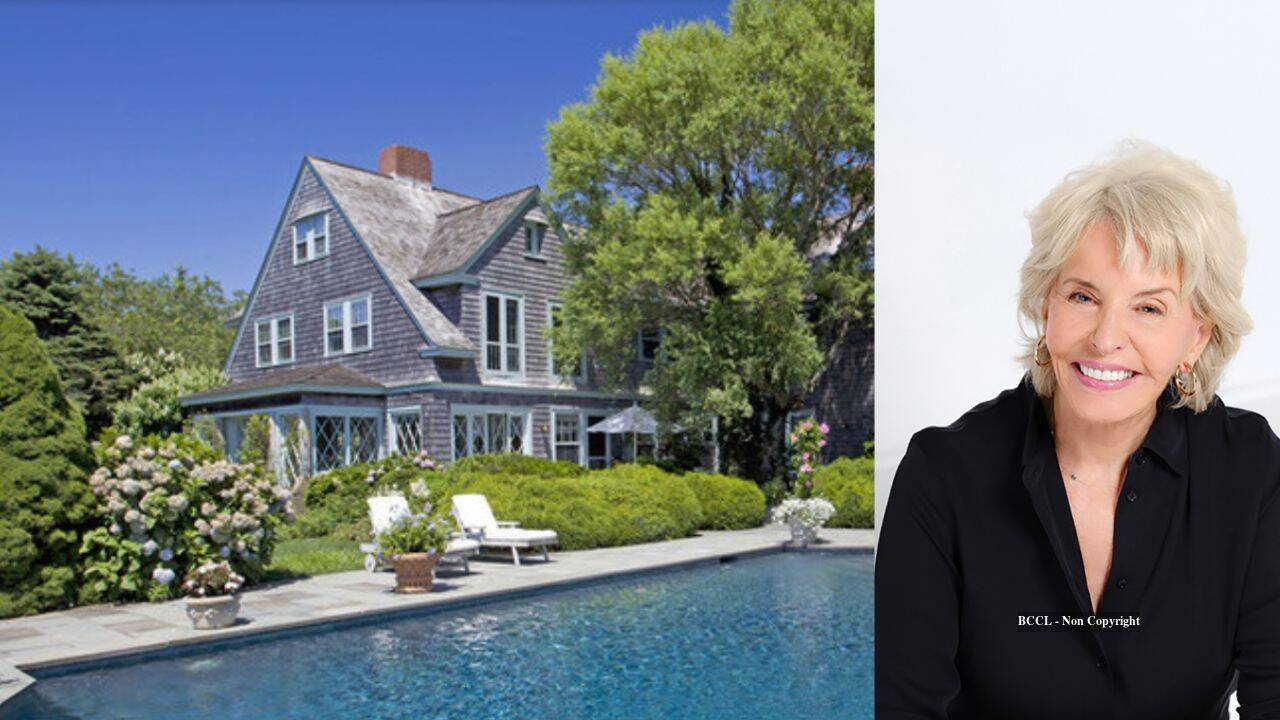
The romantic consensus surrounding Grey Gardens is a masterclass in economic self-deception. Every few years, property columns dust off the same comforting fairytale: Sally Quinn and Ben Bradlee buy a decaying East Hampton ruin for $220,000 in 1979, pour some sweat and social cachet into fixing it, and flip it nearly four decades later for a cool $15.5 million. Cue the applause. Cue the aspirational daydreams of urbanites convinced that buying a money pit with "character" is a smart store of value.
It is not. It is a financial disaster disguised as a lifestyle win. Discover more on a connected topic: this related article.
Let us strip away the glossy magazine spreads, the Bouvier-Beale mythology, and the Georgetown dinner party nostalgia to look at the cold, unromantic math that real estate journalists consistently choose to ignore.
The Illusion of the Multi-Million Dollar Spread
The headline numbers look staggering on paper. Turning $220,000 into $15.5 million feels like the kind of asymmetric return that venture capitalists pray for in their sleep. But gross proceeds are a vanity metric. If you evaluate real estate purely by the delta between purchase price and exit price without accounting for the true cost of capital, holding costs, inflation, and opportunity cost, you are not investing. You are just lighting money on fire and hoping asset price inflation bails you out. Further reporting by Refinery29 explores similar perspectives on the subject.
Imagine a scenario where Quinn and Bradlee had taken that initial $220,000 in 1979 and deployed it into a broad equity index or standard high-performing assets over a 38-year horizon. Even discounting the massive, recurring capital injections required to keep a rotting saltbox mansion on Georgica Pond from sliding back into the Atlantic, the maintenance overhead alone is staggering.
Historic preservation is an ego-driven money pit. You are not maintaining an asset; you are paying rent to history. Between replacing rotted timber, fighting the ferocious coastal dampness of the Hamptons, updating antiquated systems, and paying decades of escalating local property taxes, the total cost of ownership eclipses what casual observers understand. When people throw around figures like $15.5 million, they conveniently omit the compounding hemorrhage of cash required every single year just to stop the walls from crumbling.
The Hamptons Real Estate Cartel
Let us address the elephant in the room that lifestyle journalists refuse to name: location beta versus asset alpha.
Quinn and Bradlee did not execute a brilliant turnaround play because they possessed superior real estate acumen. They surfed the greatest macro-economic asset bubble of the late twentieth century. They bought in East Hampton before the Hamptons transformed from a sleepy artist and writer enclave into an exclusive, gated playground for global billionaires and Wall Street titans.
If you buy dirt on Georgica Pond in 1979, you could have built a geodesic dome out of old tires, and the sheer appreciation of the underlying land scarcity would have made you wealthy by the time you retired. The house itself—the peeling paint, the raccoon-infested attic, the eccentric local folklore—was largely a marketing gimmick that inflated the emotional premium at exit.
Real estate beginners constantly confuse being early to a geographic macro-trend with architectural genius. Quinn and Bradlee bought a distressed asset in a market that was about to undergo an unprecedented, liquidity-fueled vertical trajectory. They didn't beat the market; the market rescued them.
The Opportunity Cost of Emotional Attachment
There is another severe blind spot in the traditional Grey Gardens narrative: opportunity cost. For nearly four decades, millions of dollars in net worth were locked inside a single, illiquid, highly specific, high-maintenance structure.
Wealth creation is about velocity and capital efficiency. Luxury real estate is the exact opposite. It is capital imprisonment wrapped in heirloom aesthetics. When you factor in the endless administrative burden, the constant contractor oversight, and the emotional tax of managing a legendary white elephant, the annualized net internal rate of return drops significantly.
People look at the $15.5 million check at the finish line and assume everyone wins the race. They ignore the runners who cramped up at mile two or spent their entire lives servicing the debt and upkeep of a monument to someone else's nostalgia.
Stop treating historical preservation as a financial strategy. If you want to buy a ruin because you love the romance of the narrative, buy it. But call it what it is: an expensive, high-maintenance hobby. Real investing doesn't require a Hollywood documentary to justify its balance sheet.