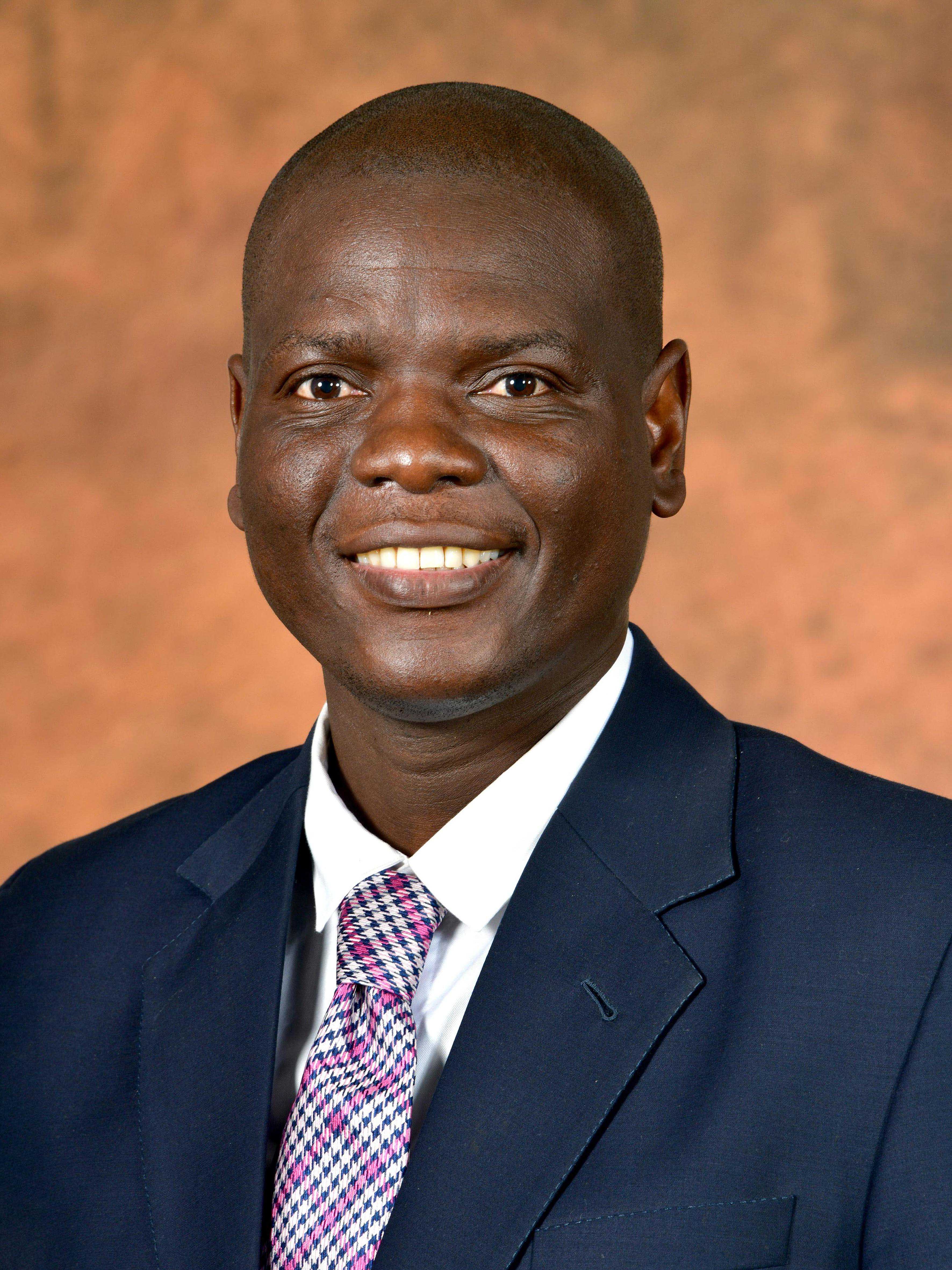
The Denver Office of the Medical Examiner has identified 26-year-old Courtney Anderson as the ground handler who died after being struck by a Frontier Airlines aircraft at Denver International Airport (DIA). While the immediate details point to a tragic accident on the tarmac, this event exposes a widening rift in aviation safety standards that the industry has struggled to bridge since the post-pandemic travel surge. It was not a mechanical failure or a pilot error in the traditional sense. It was a breakdown in the high-stakes dance of the "ground turn," where human beings work inches away from massive, moving turbines under intense pressure to keep flight schedules on time.
The Invisible Dangers of the Ramp
Ground handling is the most dangerous job in aviation. Every time a plane pulls into a gate, a synchronized team of wing walkers, tug drivers, and baggage handlers descends upon the aircraft. The Boeing 737s and Airbus A320s that dominate Frontier’s fleet are not just transport vehicles; they are vacuum-sealed environments that create massive blind spots for pilots and deafening noise levels for ground crews. For a different view, see: this related article.
When an engine is running, the "ingestion zone" can extend several feet in front of and around the cowling. Even at idle, a jet engine generates enough suction to pull a human body into the blades in less than a second. Investigative data from previous ramp fatalities suggests that many of these incidents occur during the final stages of the docking process or the initial stages of pushback.
Labor Shortages and the Experience Gap
The aviation industry lost a generation of institutional knowledge during the 2020 lockdowns. When travel demand roared back, airlines and their third-party contractors scrambled to fill positions with entry-level workers who lacked the "head on a swivel" instinct that only years on the tarmac can provide. Related insight on this matter has been shared by NBC News.
Frontier, like many ultra-low-cost carriers, relies heavily on quick turnarounds to maintain profitability. Every minute a plane sits at the gate is a minute it isn't generating revenue. This creates a high-pressure environment where safety protocols can sometimes clash with the stopwatch. If a wing walker is distracted for three seconds, or if a tug driver miscalculates a turn by two feet, the result is often catastrophic.
The Occupational Safety and Health Administration (OSHA) and the National Transportation Safety Board (NTSB) are currently reviewing the Denver incident. They aren't just looking at what Courtney Anderson did; they are looking at the lighting on the ramp, the communication headsets used by the crew, and the specific fatigue levels of everyone on shift that night.
The Problem with Subcontracted Safety
A significant portion of ground handling at major hubs like DIA is performed by third-party service providers rather than airline employees. This creates a fragmented safety culture. While Frontier Airlines has its own set of rigorous standards, the workers on the ground may be managed by a company with different training modules, different turnover rates, and different pay scales.
Critics argue that this "outsourced" model prioritizes cost-cutting over the cohesive safety units found in decades past. When you have multiple companies operating on the same patch of concrete—fuelers from one company, caterers from another, and baggage handlers from a third—the margin for error shrinks.
Communication Breakdowns
Modern jet bridges and ramps are louder than ever. Ground crews rely on a combination of hand signals and wired or wireless headsets to speak with the flight deck. In many recorded "ramp strikes," there was a fundamental disconnect between the pilot's perception of the ground space and the actual position of the crew.
- Standard Operating Procedures (SOPs) dictate that no one should approach an aircraft until the engines are shut down and the anti-collision lights are turned off.
- Pressure to accelerate baggage unloading often leads workers to "cheat" these rules by a few seconds.
- Environmental factors like Denver's notorious wind and glare can obscure hand signals or muffle verbal warnings.
Technological Solutions Lagging Behind
We have autonomous cars that can detect a squirrel from 50 yards away, yet we are still moving multi-million dollar jets using hand signals and orange wands. There is a glaring lack of proximity-sensing technology on the exterior of commercial aircraft.
While some newer tugs and ground equipment are being fitted with sensors to prevent collisions with the plane, very few systems are designed to protect the human worker from the plane itself. Implementing 360-degree cameras or lidar on the fuselage could provide pilots with a clear view of the ground crew, but the cost of retrofitting thousands of aircraft is a barrier most airlines are unwilling to cross without a federal mandate.
Accountability and the Path Forward
The NTSB’s final report on the Denver fatality will likely take 12 to 18 months to complete. In the interim, the industry must face the reality that "human error" is often a symptom of systemic failure. You cannot place a person in a high-decibel, high-speed environment for ten hours a day and expect 100% perfection without the aid of better technology and more robust staffing levels.
Frontier Airlines and the management at DIA have expressed their condolences, but condolences do not change the floorboards of the hangar. The real shift will only come when ground safety is treated with the same obsessive level of detail as flight deck safety. Until then, the ramp remains a graveyard of preventable mistakes.
Aviation safety is often written in blood. Every major regulation in the sky came after a tragedy that proved the old way of doing things was no longer sufficient. Courtney Anderson's death should be the catalyst for a total overhaul of ramp entry protocols, ensuring that the "ground turn" is no longer a gamble with human life.
Airports need to invest in automated "no-go" zones—physical or digital barriers that alert both pilots and ground crews when a person enters a danger area while engines are engaged. This isn't a matter of if the technology exists; it's a matter of whether the industry values the lives of its lowest-paid workers as much as it values its flight schedules.