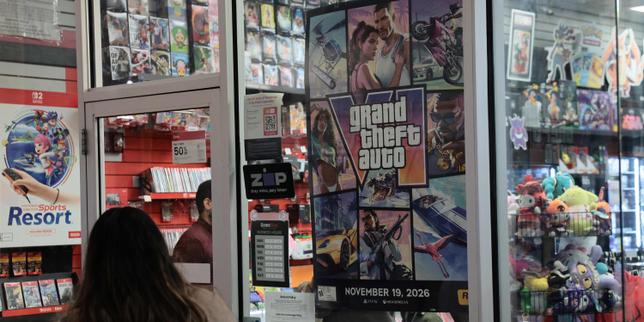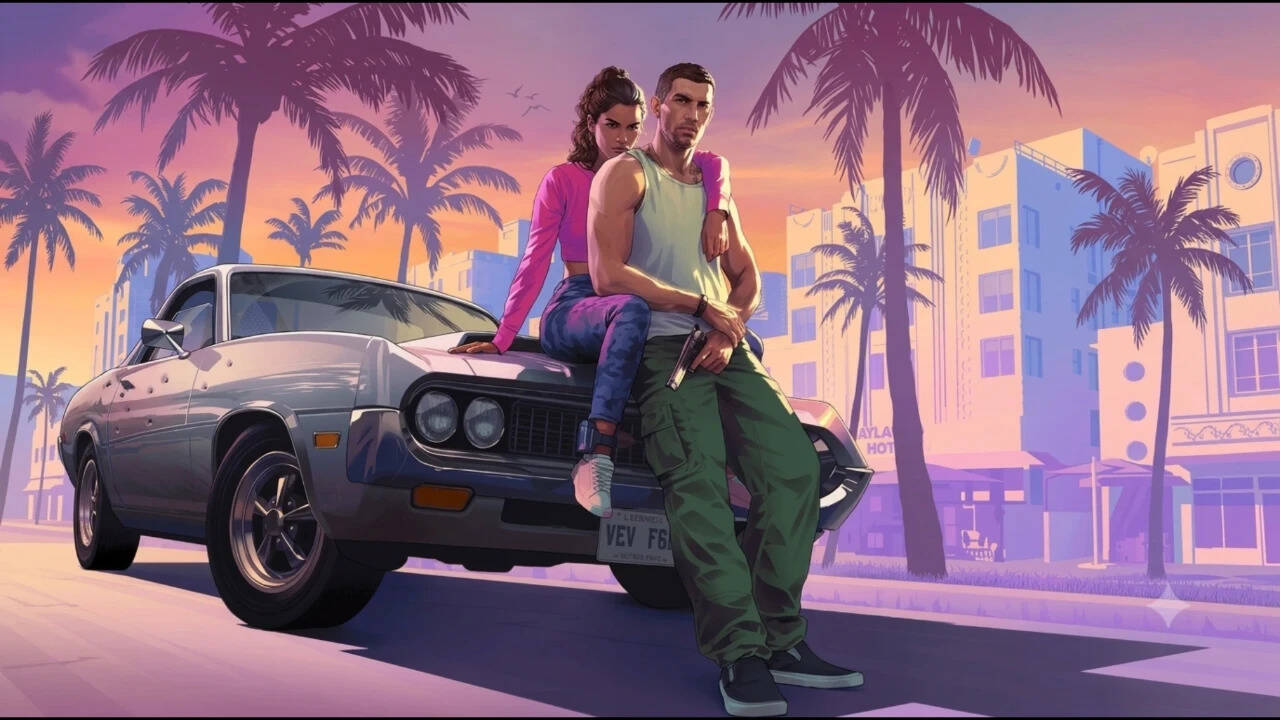
Two content creators just finished the main campaign of Grand Theft Auto 6 in a grueling marathon race, and the internet isn't exactly throwing them a parade. Instead of celebrating the sheer endurance required to speed through Rockstar's massive open world, thousands of fans are furious about how quickly ending details flooded social media feeds.
This exact scenario plays out every time a generational title drops. You wait over a decade for a game, block off your weekend to play it at your own pace, and suddenly an algorithm shoves the final cutscene into your face before you've even finished the prologue. The GTA 6 streamer completion race highlights a growing friction between live-streaming economics and normal players who just want to enjoy a story without getting spoiled.
The Economics Behind Marathon Completion Races
Why do creators put themselves through sleep-deprived, multi-day broadcasts just to see the credits roll first? Money and visibility. On platforms like Twitch and YouTube, being the first broadcast to display the final mission guarantees a massive spike in concurrent viewers, ad revenue, and subscriber numbers.
When a major release drops, viewership consolidates around whoever is furthest ahead in the campaign. Casual viewers click into streams not necessarily to watch skilled gameplay, but to see what happens next in the plot. Creators know this. If they stop to sleep, eat a normal meal, or explore side missions, their audience immediately jumps ship to another channel that's closer to the finale.
This creates a ruthless incentive structure:
- First-mover advantage: The first channel to reach the final chapter captures the lion's share of algorithmic recommendations.
- Clip farming: Dramatic ending moments get clipped within seconds and uploaded to TikTok, X, and YouTube Shorts, driving massive external traffic back to the main broadcast.
- Sponsorship pressure: Brands pay top dollar for launch-week visibility, pushing streamers to maximize their live hours during the first 72 hours of release.
Honestly, you can't entirely blame the streamers for playing the game that the platforms built. Their livelihoods depend on riding massive cultural waves when they peak. Yet the collateral damage hits the broader gaming community immediately.
How Marathon Endings Ruin the Launch Week Experience
The core issue isn't that two creators finished GTA 6 quickly. Speedrunning and marathon gaming have existed for decades. The real problem is how modern social media algorithms weaponize those marathon endings against people actively trying to avoid them.
Once a streamer hits the credits, those final moments don't stay quarantined inside their Twitch chat or YouTube VOD. Automated clip channels, engagement-bait accounts, and news aggregators immediately rip the footage. Within an hour of a marathon stream wrapping up, thumbnails showing major character fates or final plot twists start appearing on public timelines.
If you're someone who works a nine-to-five job, has kids, or simply likes exploring every alley in Vice City before touching the main missions, you're out of luck. You either stay completely off the internet until you beat the game, or you accept that the ending will be ruined for you by someone chasing clicks.
Rockstar Games designs its titles for slow, methodical immersion. Their worlds are packed with satire, hidden strangers, and environmental storytelling meant to be absorbed over weeks or months. Rushing straight through the golden path of the narrative strips away the context that makes the ending land properly, both for the streamer and the tens of thousands of people watching them.
Are Streamers Responsible for Protecting Viewers From Spoilers?
This debate divides the gaming community every single year, and both sides have valid arguments.
On one hand, streamers broadcast publicly. Nobody forces a viewer to click on a live stream titled "BEATING GTA 6 IN ONE SITTING." If you walk into a broadcast where someone is actively rushing the campaign, seeing spoilers is entirely on you. Creators shouldn't have to censor their own gameplay or put artificial brakes on their playthroughs just because some viewers haven't bought the game yet.
On the other hand, there's a massive difference between showing the ending on a live stream and plastering explicit spoilers across video titles, thumbnails, and social media posts. When creators or their clip editors put the final boss or a major character death right in a YouTube thumbnail, they remove the viewer's ability to opt out. You don't have to click the video to get spoiled—just scrolling past it does the damage.
Basic streamer etiquette usually involves a few simple guardrails during launch week:
- Putting clear spoiler warnings in the stream title once the final act begins.
- Keeping video thumbnails vague for at least the first two weeks after release.
- Instructing community moderators to delete plot leaks in chat so casual viewers aren't blindsided.
When creators ignore these basic courtesies in the heat of a completion race, the backlash from fans is swift and predictable.
Why Publishers Can't Stop Early Spoilers Anymore
Years ago, game publishers relied on strict review embargoes and street-date enforcement to control how a story rolled out to the public. Those days are dead. With global simultaneous digital releases, the exact second a game unlocks in the earliest time zone, the race begins.
Publishers like Rockstar occasionally ask fans not to spoil the story for others, posting polite statements on social media ahead of launch. Those requests rarely slow anyone down. Once a game is live to the general public, DMCA takedowns don't apply to standard gameplay streams unless someone is breaking a pre-release embargo.
Even if a developer wanted to hide the ending, data miners and marathon streamers will crack it open within days. The sheer scale of modern gaming audiences means there's always an audience hungry to see the finale without playing the game themselves.
How to Actually Protect Yourself From Game Spoilers Online
Since platforms won't fix their algorithms and marathon streamers won't stop racing to the credits, protecting your playthrough comes down to locking down your own feeds. Relying on willpower isn't enough when a single scroll can ruin a ten-year wait.
Start by muting specific keywords across X, Instagram, and TikTok before you even boot up the game. Don't just mute the title of the game—mute character names, locations, and generic terms like "ending," "final mission," "credits," "dies," and "betrayal."
For YouTube, the best move is logging out of your main account or using a clean browser profile while you're playing through a major story game. Your main account's recommendation engine knows you love gaming, so it will aggressively serve you clickbait videos the moment they start trending. Watching videos on a fresh profile keeps your homepage completely sterile.
If you still want to watch streams while playing, stick to creators who explicitly advertise "blind playthroughs" or "slow-paced exploration" in their titles. Avoid anyone running a timer on screen or boasting about their completion percentage. Mute your social notifications, lock in your keyword filters, and play the game at whatever pace actually makes it fun for you.