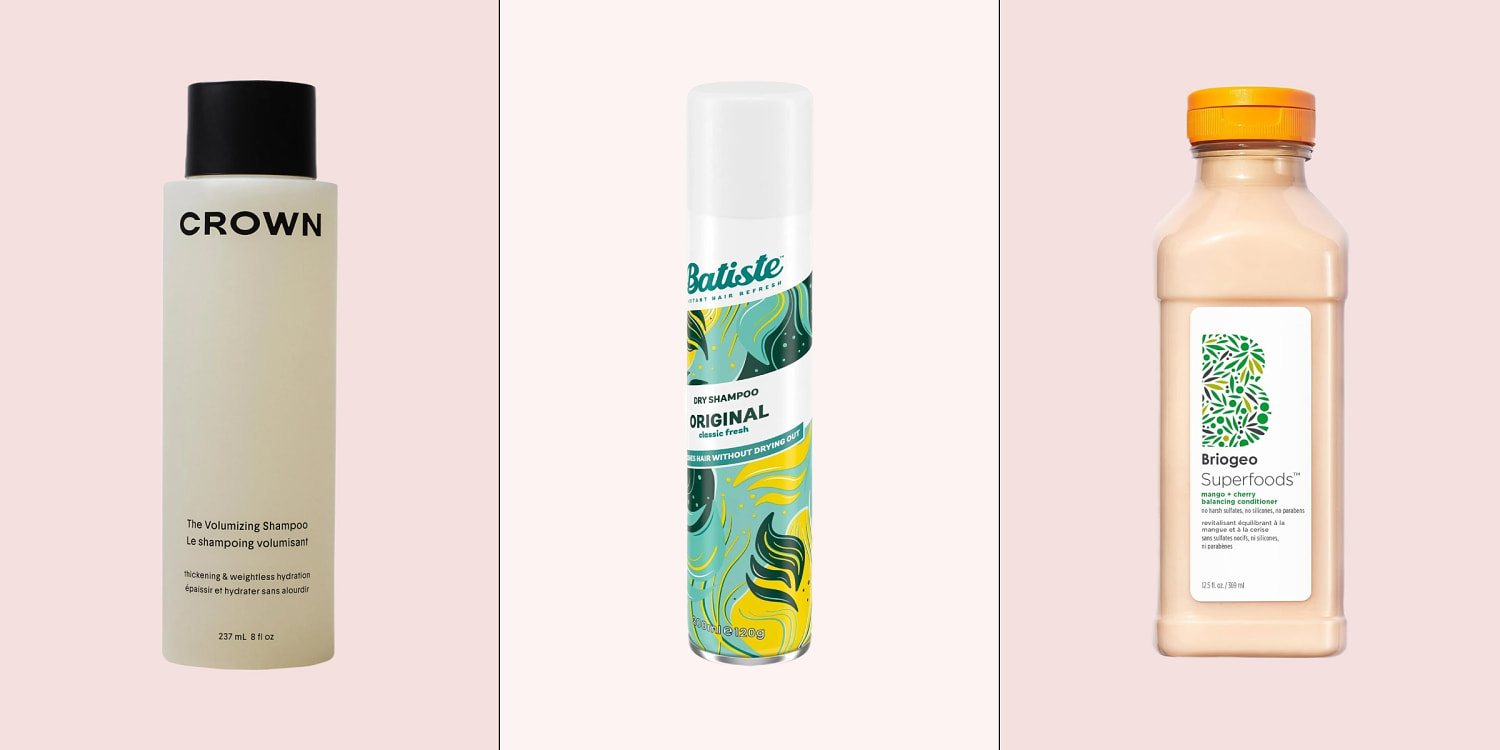
You wash your hair at night. By noon the next day, your roots are practically dripping. It feels gross, frustrating, and honestly a bit embarrassing. You start relying on dry shampoo, tying your locks into a messy bun, or washing it twice a day just to feel normal.
Stop doing that.
Washing your hair constantly might feel like the only defense against grease, but you're usually making things worse. Your scalp is a living ecosystem. Treat it like an enemy, and it fights back twice as hard. Let's look at why your hair stays greasy and what actually works to break the cycle.
The Sebaceous Gland Overdrive
Your scalp produces sebum. This natural oil protects your skin, keeps your hair waterproof, and prevents breakage. It is a good thing. The problem starts when your sebaceous glands go into overdrive.
Why do they panic? Strip away all your natural oils with a harsh sulfate-based shampoo every single morning, and your skin panics. It senses a drought. So, it pumps out double the oil to compensate. You end up trapped in a vicious loop of stripping and overproducing.
Dermatologists and trichologists see this every day. Over-washing is public enemy number one for oily hair. You have to train your scalp to calm down. That means backing off the daily lather.
Genetics and Hormones You Can't Ignore
Sometimes your biology simply works against you. If your parents had fine, straight hair and oily scalps, you likely inherited the same blueprint. Fine hair has less surface area for oil to travel down, meaning your roots look greasy much faster than someone with thick, coarse hair.
Hormones play a massive role, too. Androgens stimulate oil production. Any spike in androgens—whether from stress, changing birth control methods, or natural life stages—leads directly to slicker roots.
Stress is a sneaky culprit. When you freak out, your body releases cortisol. Cortisol tells your oil glands to work overtime. If you notice your hair getting greasy during exam week or a brutal quarter at work, blame your nervous system.
The Product Buildup Trap
You buy products promising volume, shine, and texture. Then you pile them on. Styling creams, leave-in conditioners, heavy serums, and layers of dry shampoo create a concrete-like buildup on your scalp.
Most people use way too much product and don't rinse thoroughly enough. Residue traps dirt, sweat, and oil right at the follicle.
Look at your ingredient list. Heavy silicones like dimethicone build up fast. If you aren't using a clarifying shampoo every couple of weeks, you are basically coating your scalp in plastic wrap.
How to Break the Greasy Hair Cycle
Fixing this isn't about buying a more expensive bottle of cleanser. It requires a behavior change.
Start by spacing out your wash days. Push it to every other day for two weeks. It will look greasy at first. Wear a hat if you have to. Once your scalp realizes you aren't going to strip it bare every twenty-four hours, oil production slows down.
Switch to a balanced, gentle daily shampoo for regular use, and keep a clarifying formula on hand for a bi-weekly reset. Avoid applying conditioner to your roots. Conditioners belong on the mid-lengths and ends of your hair, nowhere near your scalp.
Watch your water temperature, too. Hot water feels amazing, but it strips your skin completely dry and triggers that rebound oil production. Wash with lukewarm water and give your scalp a final rinse with cool water to seal the cuticle.
Cleanse your hairbrushes weekly. Brushes collect old sebum, styling product residue, and dead skin cells. Every time you brush your hair, you redistribute that gunk right back onto your clean roots. Wash your brushes with dish soap and warm water regularly.
Pay attention to your hands. Stop running your fingers through your hair all day long. The natural oils on your fingertips transfer straight to your strands, weighing them down and making them look slick by afternoon.
Take a hard look at your routine this week. Make small adjustments, stick with them for a month, and let your scalp reset itself naturally.


