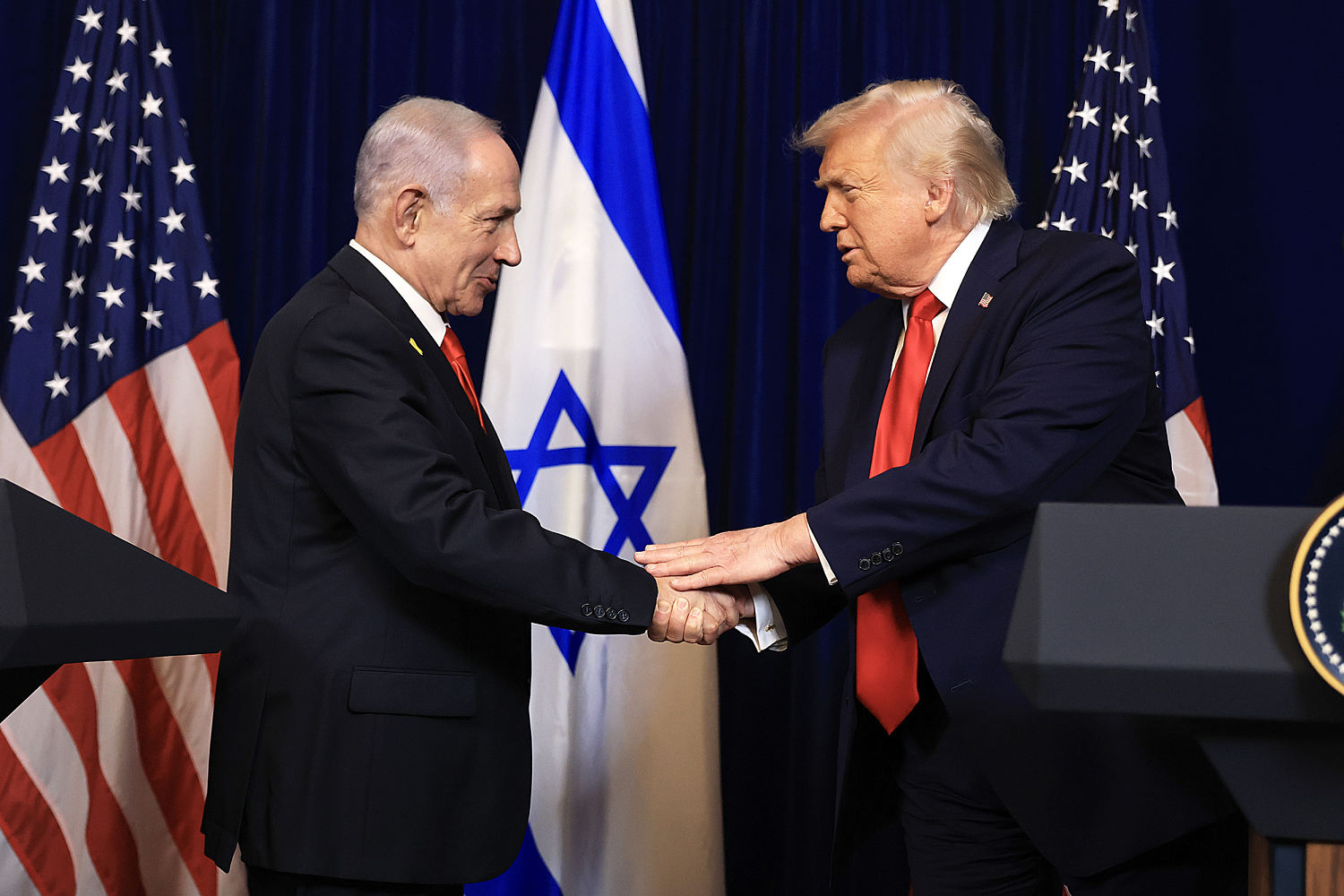
Washington just threw a grenade into decades of Middle East foreign policy. When Donald Trump declared that the US will end military aid to Israel by the end of this year, cable news exploded and foreign policy wonks in D.C. nearly choked on their coffee.
It sounds dramatic. It is dramatic.
For nearly half a century, American weapons and taxpayer dollars have flowed to Jerusalem like clockwork, forming the bedrock of the U.S.-Israel security relationship. Now, the White House is signaling a hard stop to that arrangement, forcing everyone from Pentagon planners to Israeli defense contractors to figure out what comes next.
If you're trying to understand whether this is real policy or classic Trump negotiating theater, you're asking the exact right question. Let's look past the loud headlines and break down what actually happens when a president tries to turn off a multi-billion-dollar military spigot.
Why Trump Is Floating an End to US Military Aid to Israel
To understand this move, you have to look at Trump's core worldview. He hates one-way deals. Doesn't matter if it's NATO, trade tariffs with Beijing, or defense treaties in the Middle East—if he thinks America is footing the bill while wealthy allies reap the rewards, he wants out.
Israel isn't a poor developing nation anymore. Its tech sector booms, its GDP per capita rivals major European economies, and its defense industry exports billions of dollars in advanced weaponry around the globe. Trump has repeatedly argued, both on the campaign trail and inside the Oval Office, that rich countries should pay for their own defense.
There's also a massive domestic political shift happening right under our noses. A growing wing of the Republican Party—the "America First" isolationists—wants zero foreign entanglements and zero foreign aid. Period. Combine that pressure with mounting frustration among younger voters across the political spectrum over endless Middle East conflicts, and suddenly the political shield protecting Israeli aid looks thinner than it has since the 1970s.
Honestly, Trump loves leverage. By putting an expiration date on US military aid to Israel, he instantly forces Israeli leadership to the negotiating table on regional peace deals, defense spending, and trade terms. Whether he follows through completely or uses the threat to extract massive concessions, the message is clear. The blank check is gone.
The Numbers Behind the Current Deal
Most people throw around massive figures without knowing how the money actually moves. You can't just look at a headline number and assume pallets of cash are flying to Tel Aviv.
The current framework is governed by a 10-year Memorandum of Understanding (MOU) signed during the Obama administration in 2016, which took effect in fiscal year 2019 and runs through 2028. Under this agreement, the U.S. pledged $38 billion over a decade.
Here is how that breaks down every single year:
- $3.3 billion in Foreign Military Financing (FMF), which acts like a store credit card. Israel has to spend this money on American-made weapons, fighter jets, and military hardware.
- $500 million dedicated specifically to cooperative missile defense programs, including Iron Dome, David's Sling, and the Arrow systems.
Notice a crucial detail here. That $3.3 billion doesn't stay in Israeli banks. It goes straight back to U.S. defense contractors like Lockheed Martin, Boeing, and Raytheon. American workers build the F-35 fighter jets and precision munitions, and the U.S. government essentially subsidizes its own aerospace industry while keeping a key regional ally armed to the teeth.
Cutting that off doesn't just squeeze Israel. It hits factory floors in Texas, Connecticut, and Missouri. That's why defense lobbyists in Washington are already working overtime behind closed doors to water down any abrupt cutoff.
Can the President Actually Cancel Aid Alone?
Here is where constitutional reality smacks into political rhetoric. A president can't just wave a magic wand and erase congressionally appropriated funds overnight.
The U.S. Constitution gives Congress—not the White House—the power of the purse. Every dollar of that $3.8 billion annual package is baked into federal appropriations bills passed by the House and Senate. Even though the 10-year MOU itself isn't a legally binding treaty ratified by the Senate, the actual yearly cash transfers are federal law once signed.
So if Trump wants to end military aid by December 31, he has three main levers he can pull, and none of them are friction-free:
1. Refusing to Request New Funds
When the White House sends its next budget proposal to Capitol Hill, the Office of Management and Budget can simply zero out Foreign Military Financing for Israel. Congress can still put the money back in, of course, forcing a high-stakes showdown over the final spending bill.
2. Delaying Arms Transfers and Licenses
Even when Congress approves money, the executive branch controls the State Department and the Pentagon. The president can slow-walk export licenses, hold up specific weapons shipments under the Arms Export Control Act, or pause delivery schedules indefinitely. We saw glimpses of this tactic during previous administrations when disputes flared over military operations in Gaza.
3. Vetoing Appropriations Bills
This is the nuclear option. If Congress passes