Sleeping on a Havana sidewalk before sunrise used to be an exception. Now it's a routine survival tactic for people who worked their whole lives or still clock in every morning.
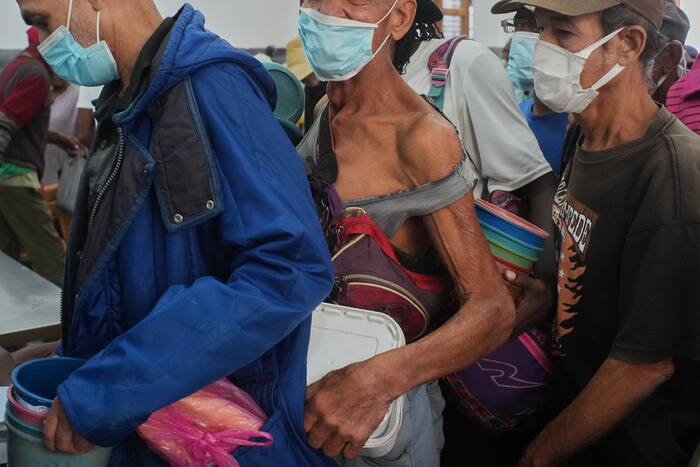
When charity-run kitchens open in the Cuban capital, hundreds of residents show up clutching plastic containers, hoping for a hot plate of rice, pasta, eggs, or a bottle of chocolate milk that can carry them through the day. The shift isn't just about hunger. It's about a social contract buckling under inflation, scarce state supplies, and shrinking purchasing power. Meanwhile, you can find other events here: Epidemiological Failure and Economic Risk in California Bass Fisheries.
If you've watched the headlines, you've seen the images from places like the Quisicuaba Association in Havana, where volunteers cook in giant cauldrons and call out container numbers as morning breaks. What looks like a standard soup kitchen story from the outside is actually a window into a deeper economic squeeze—one hitting pensioners, parents, and salaried workers who never expected to stand in a charity line.
Why Charity Kitchens Are Filling a State Gap
For decades, Cuba's state-backed rationing system—the libreta—was meant to guarantee basic staples at subsidized prices. Even when supplies were tight, families counted on a baseline from the state. To explore the complete picture, check out the detailed analysis by NPR.
That baseline has eroded sharply. Food prices have surged far faster than typical wages and pensions, leaving everyday households caught between low peso incomes and steep market prices for basic groceries. Even when items appear on shelves or through private sellers, a single staple like cooking oil or powdered milk can eat up what a minimum pension or wage brings in over a whole month.
Faith-based and community groups—often working alongside international aid partners, UN agencies, or church networks—have stepped into the breach. At groups like Quisicuaba, organizers track thousands of vulnerable residents across Havana and cook thousands of meals daily to keep households from going without.
Here's the catch nobody wants to admit out loud. Charity kitchens keep people fed today, yet they can't replace a functioning food economy or fix broken supply chains on their own.
Who Is Actually Standing in Line
A common misconception outside Cuba is that charity meals mostly serve people who are unhoused or out of work. On the ground in Havana, the crowd looks very different.
Retirees on fixed pensions make up a visible share of the early-morning line. So do parents trying to put hot food in front of their kids when household budgets can't stretch to another week. Many people waiting have steady work histories or active jobs, yet their paychecks simply don't stretch to cover food, transport, and medicine.
That detail matters if you want to understand the crisis honestly. Food insecurity in Havana isn't confined to the margins anymore; it's squeezing working families and older adults who once had a thicker safety net.
- Retirees: Fixed pensions lose ground quickly whenever staple prices jump, forcing older adults to queue before dawn or even overnight.
- Parents: Mothers and fathers lean on community pots to ensure children get at least one substantial, warm meal.
- Salaried workers: Having a job no longer guarantees enough purchasing power to buy meat, oil, or dairy regularly.
- Families without remittances: Households without relatives sending money from abroad face the sharpest pressure as dollarized and private market prices rise.
What Makes Community Aid Work—and Where It Strains
Running a high-volume community kitchen in Havana takes relentless logistics. Cooks start early, volunteers sort and wash reusable containers, and organizers try to stretch whatever ingredients arrive that week.
Still, volunteers and aid workers face real bottlenecks. Fuel costs, power disruptions, import delays, and uneven donations can change the menu or limit how much food goes into each bag or container. A meal that includes rice, eggs, pasta, or chicken one day might look leaner the next.
There's also a practical limit to charity scale. Feeding thousands of people a day is an extraordinary feat of local coordination, yet Havana is a city of millions facing broader economic strain. Aid groups can cushion the blow for registered families and early arrivals, while thousands of others still scramble through informal markets or wait on remittances.
Common Misconceptions About Cuba's Food Squeeze
When people read about charity kitchens in Cuba, a few oversimplifications pop up right away. Let's clear them up.
- It's just a temporary shortage. The strain isn't a single bad harvest or a one-week shipping delay; it reflects years of inflation, currency pressures, import hurdles, and declining real wages.
- Only unemployed people need help. Working Cubans and retirees with decades of service are lining up too, because nominal pay hasn't kept pace with food costs.
- Foreign aid alone solves the problem. Outside donations and humanitarian shipments help, yet distribution logistics, local availability, and ongoing household needs outpace any single delivery.
How to Follow or Support Relief Efforts Responsibly
If you're following the story from abroad—or looking to help without falling for hype—start with verified reporting and established aid channels.
- Read primary reporting and economic trackers: Follow outlets like the Associated Press for on-the-ground dispatches, and check independent price-tracking research or official statistical releases to separate single-day anecdotes from broader trends.
- Vet humanitarian channels carefully: If you choose to donate or send supplies, look for recognized church, humanitarian, or international relief organizations with transparent operations and clear rules on how goods reach families.
- Watch the bigger indicators, not just the lines: Keep an eye on staple food prices, pension and wage adjustments, and access to remittances—those numbers tell you whether relief is stabilizing or falling further behind.