Collegiate sports recruiting is a absolute meat grinder. It requires 80-hour workweeks, constant cross-country flights, and an unwritten rule that sleep is for the weak. When you operate inside that culture, revealing a neurological condition that affects your sleep wake cycles is the ultimate corporate risk.
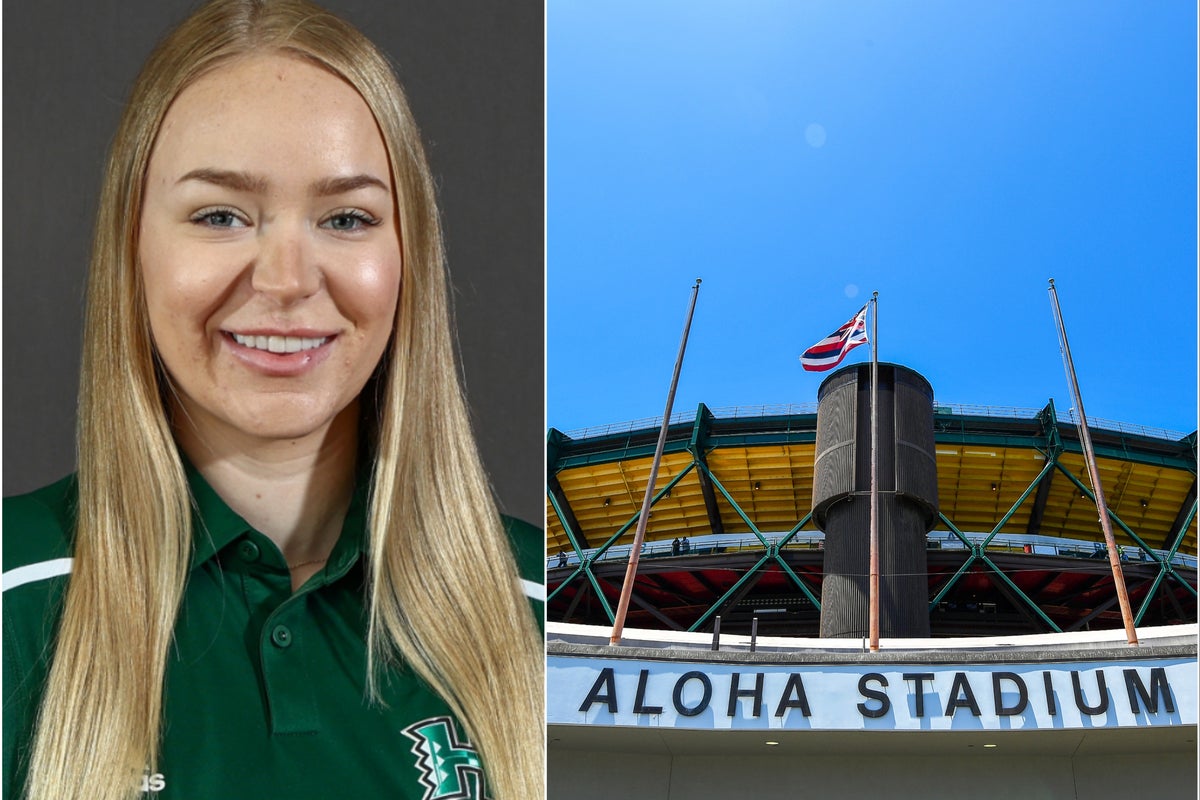
That is exactly what Ella Devenny, the former director of recruiting for the University of Hawaii football team, did. Her reward? A masterclass in corporate gaslighting, subtle workplace mockery, and an abrupt exit that the school tried to pass off as a standard contract expiration.
Devenny filed a federal civil rights lawsuit in Hawaii federal court. She alleges severe disability and gender discrimination after revealing her narcolepsy diagnosis. The details of the complaint show a messy, frustrating reality that anyone with a hidden medical condition knows too well. Employers love talking about diversity and inclusion until a worker actually needs a legal accommodation.
The Double Standard of Sleeping on the Job
The most infuriating part of Devenny's claim hits on a classic workplace double standard. Narcolepsy is a chronic neurological disorder covered under the Americans with Disabilities Act. It disrupts how the brain regulates sleep, sometimes causing sudden, uncontrollable sleep episodes.
Here is the kicker. Devenny asserts she never actually fell asleep on the job. She did not miss work. She did not skip duties. She just shared her diagnosis with her superiors.
Immediately, the vibe shifted. Devenny claims she faced an onslaught of micromanagement. Superiors obsessed over her arrival times and made passive-aggressive comments about whether she would fall asleep during office hours. Meanwhile, she watched her male colleagues openly pass out during team travel, staff meetings, and official football activities. Those men faced zero scrutiny. No one questioned their dedication or professionalism. They were just tired guys working hard. Devenny was labeled a liability.
The harassment allegedly turned personal and petty. Coworkers began making frequent, pointed references to melatonin and sleep aids in her presence. It was high school locker room behavior masquerading as professional office banter.
The Playbook for Disposing of Employees
When Devenny reported this behavior to the university, the institutional defense mechanisms kicked right in. On December 13, 2024, she learned her contract was getting cut.
The university claims this was just the natural end of a temporary appointment. It's the oldest trick in the HR playbook. If you want to get rid of a worker who speaks up, you don't fire them for their medical condition. You wait out the clock, decline to renew their contract, and point to "performance issues" that magically appeared right after they disclosed their illness.
The federal Equal Employment Opportunity Commission saw enough smoke to issue a Right to Sue determination. The university Title IX office even launched its own investigation. This was not a routine human resources exit. It was a calculated separation that derailed a professional career. Devenny had moved her entire life to Hawaii for this role, investing heavy personal and financial resources, only to find herself frozen out nine months later. She now works for an event staffing company at Baylor University in Texas, her career path completely disrupted.
Why Athletic Departments Struggle with the ADA
College football programs operate like sovereign nations. Head coaches run their operations with corporate autocracy, and compliance with federal labor laws often feels like an afterthought.
The core issue comes down to a fundamental misunderstanding of hidden disabilities. Most executives think an accommodation means building a wheelchair ramp or buying an ergonomic chair. They have no idea how to handle dynamic neurological conditions.
When an employee brings a diagnosis like narcolepsy to the table, federal law requires a cooperative, interactive process to figure out reasonable accommodations. It doesn't mean the employee gets to sleep through a game. It means the employer sits down and looks at what actually matters for the job.
Can the work get done with flexible morning hours? Can critical tasks be structured around peak alertness times? In Devenny's case, she didn't even need structural changes because she was already performing her duties without incident. The university panicked over a diagnosis, not an actual drop in performance.
Protect Yourself if You Manage a Chronic Illness
If you are navigating a demanding professional environment with a non-visible condition, you cannot rely on your company's human resources department to look out for you. HR exists to protect the institution from lawsuits, not to defend your career. You have to build your own defensive perimeter.
- Document everything in writing immediately. Never rely on a casual verbal conversation to disclose a medical condition. Send a formal email to HR and your direct manager detailing your diagnosis and clearly stating whether you need accommodations.
- Establish a clear timeline of events. If your performance reviews are flawless for months, and suddenly become highly critical the week after you disclose a health condition, that timing is your best evidence in an EEOC complaint.
- Track the behavior of your peers. If you are reprimanded for a flexible schedule while coworkers face no consequences for the exact same behavior, log those dates and times. Selective enforcement is a cornerstone of discrimination claims.
The University of Hawaii case has a scheduling conference set for August 3. It will likely turn into a long, expensive legal battle over whether the school used a temporary contract as a shield for illegal bias. For the rest of the working world, it serves as a stark reminder that disclosing a hidden illness requires a legal strategy, not just a casual chat with your boss.