Metrolinx just tore up its massive contract for the delayed Hazel McCallion LRT and split it in two. If you live in Mississauga or Brampton, you're probably exhausted by the constant orange barrels and shifting timelines along Hurontario Street. You want to know when the trains will actually run. The short answer is 2028, a full four years later than the original 2024 target.
This contract restructuring reveals a fundamental shift in how Ontario builds transit. The provincial transit agency quietly changed its 4.6 billion dollar agreement with Mobilinx, the consortium responsible for the 18-kilometer line. Instead of sticking to a rigid public-private partnership model, the government is moving toward a flexible system to salvage a project bogged down by legal battles and commercial disputes.
The Breakdown of the P3 Model on Hurontario Street
Ontario loved public-private partnerships, often called P3s. The theory was simple. The government hires a private consortium to handle everything: design, construction, financing, operations, and long-term maintenance. If costs go up or delays happen, the private companies foot the bill.
It sounds great on paper. In reality, it rarely works out so neatly on complex transit lines.
Mobilinx signed that massive contract back in 2019. Since then, construction crews ran into a wall of real-world problems. Legal fights and finger-pointing over who should pay for unexpected underground issues ground progress to a halt. Metrolinx explicitly stated that rewriting the contract resolves all commercial disputes on the line. They basically hit the reset button on their legal arguments so workers could focus on laying tracks.
What the Two New Contracts Actually Mean
The original deal is gone. Now, the project operates under two distinct agreements with that same Mobilinx consortium.
First, they created an alliance agreement specifically for building the route. Alliance contracts are a different beast entirely. Instead of fixing a price and suing each other when things go sideways, the government and the private contractors share the risk. It gives Metrolinx more options to release payments as milestones are hit. It provides flexibility when crews hit unexpected utilities or tricky soil conditions under the road.
Second, the remaining parts of the original P3 terms still cover the long-term maintenance and daily operations of the light rail line. Once the tracks are down and the stations are built, Mobilinx will still run the trains and fix the infrastructure for decades.
This hybrid approach acknowledges a harsh truth. P3 models work fine for predictable maintenance, but they're terrible for handling the chaos of heavy urban construction.
Timeline Realities and Missing Links
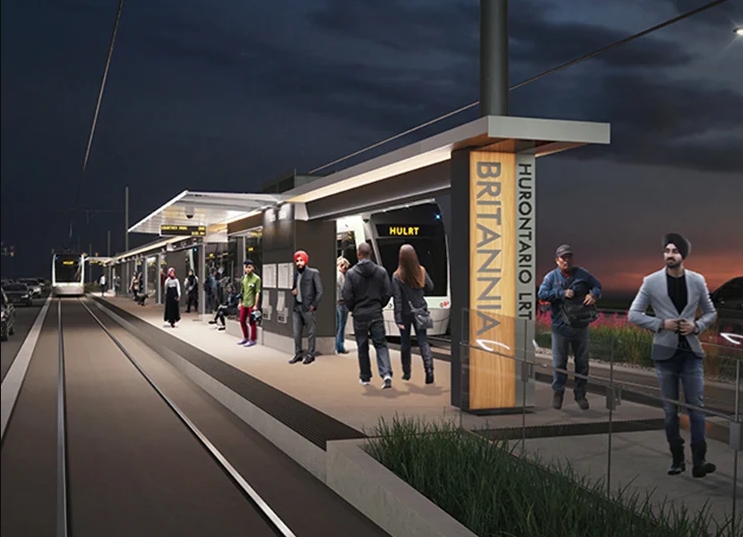
Don't expect this contract shuffle to magically speed up construction. The 19-stop line running from Port Credit GO Station up to Brampton Gateway Terminal is officially tracking for a 2028 completion. That date only covers substantial construction. Testing and commissioning the fleet of Alstom light rail vehicles will take even more time after that.
The project has faced massive changes since its inception. The province previously cut the downtown Mississauga loop to save money, only to promise to bring it back later. They also announced plans to extend the line deeper into downtown Brampton. Managing those future extensions while trying to finish the core 18 kilometers under a broken contract structure was a recipe for total paralysis.
Other major transit builds in the region face identical hurdles. Projects like Line 5 Eglinton Crosstown and Line 6 Finch West became notorious for missed deadlines and bitter legal battles between Metrolinx and builders. The Ford government and Metrolinx are leaning heavily into alliance contracts for newer projects precisely because the old P3 structure keeps failing.
Next Steps for the Hurontario Corridor
The focus shifts directly to physical milestones along the corridor now that the legal gridlock is cleared.
Property owners and commuters along Hurontario Street should monitor localized construction updates rather than waiting for a single grand opening announcement. Crews are actively working on key intersection reconstructions, track installations, and building out the actual station platforms.
Pay close attention to progress at the major hubs. The underground LRT station at Port Credit GO and the connections at Cooksville are the most complex engineering pieces left. Track testing of the physical vehicles will serve as the real indicator that passenger service is nearing, regardless of what the new contracts promise on paper. Expect to see those test trains rolling down the center of Hurontario Street long before you can buy a ticket.