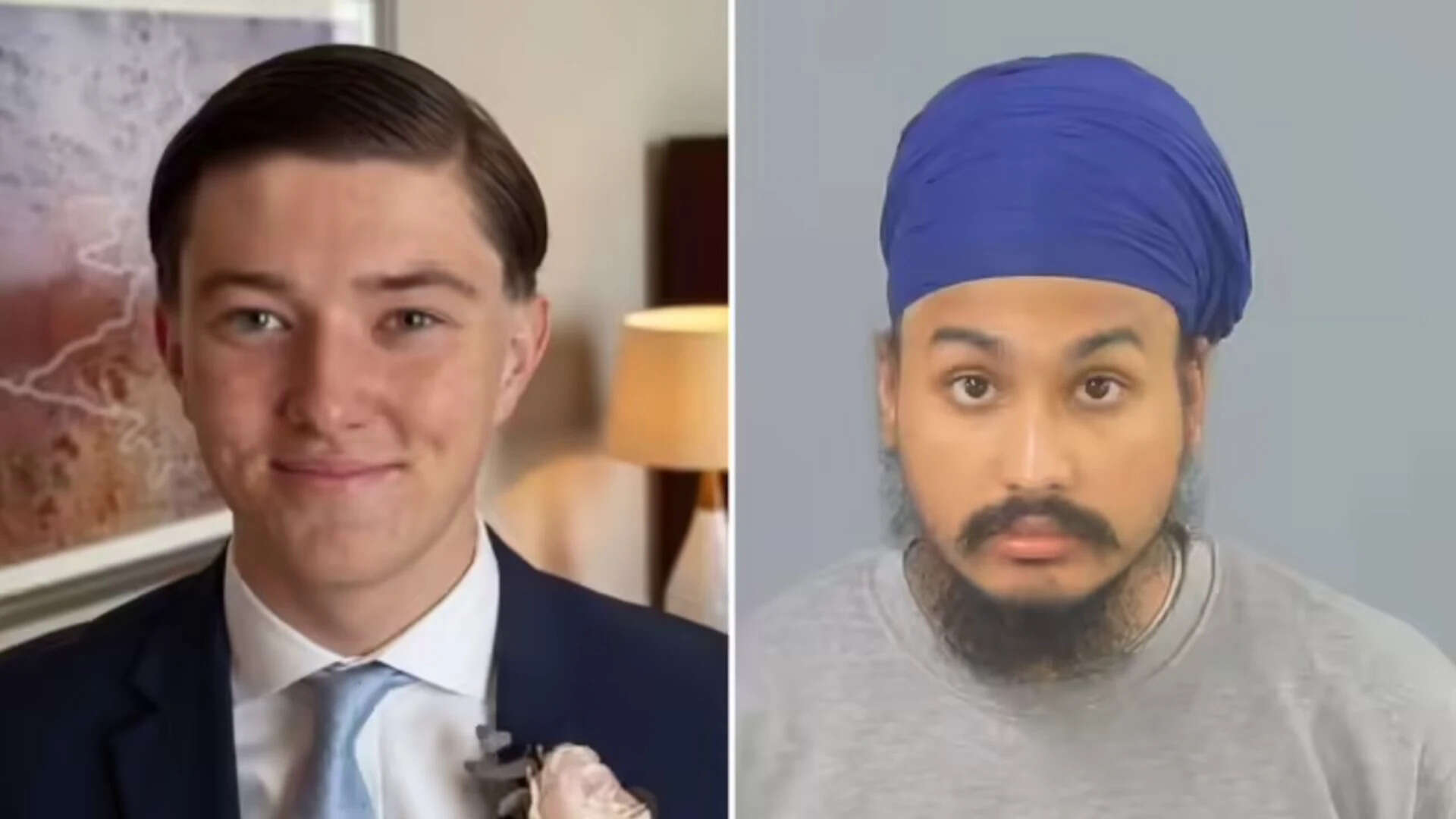
Imagine lying on the freezing pavement, gasping for air, bleeding out from five different stab wounds. You manage to choke out the words that you can't breathe and that you've been stabbed. Instead of receiving life-saving first aid, you hear the metallic click of handcuffs snapping around your wrists. You are treated as a dangerous criminal while your killer stands nearby, completely unrestrained, lying to the police.
This isn't a hypothetical horror story. It's exactly what happened to 18-year-old university student Henry Nowak on a Southampton street in December 2025.
The Independent Office for Police Conduct (IOPC) announced that two Hampshire Constabulary officers are facing a gross misconduct investigation. The probe follows intense public outrage after bodycam footage exposed the final, agonizing moments of Nowak's life. The case has blown wide open a massive conversation about police assumptions, operational failures, and how easily street-level bias can lead to catastrophe.
The Fatal Lies of Vickrum Digwa
To understand why these two officers are under the microscope, you have to look at what happened on Belmont Road that night. Henry Nowak, a first-year accounting and finance student, was walking home from a night out when he crossed paths with 23-year-old Vickrum Singh Digwa. Digwa was carrying a 21-centimeter dagger—a weapon he later claimed in court was for religious reasons.
An altercation broke out, and Digwa stabbed the unarmed teenager five times. Instead of getting help, Digwa used his phone to film Nowak running away and collapsing. When police arrived following a 999 call from Digwa's brother, the narrative was immediately twisted.
Digwa lied. He claimed he was the victim of a vicious, racist attack by Nowak and that Nowak had knocked off his turban. The attending Hampshire officers swallowed the story whole.
Handcuffed While Dying
Because the officers accepted Digwa's version of events without verifying the facts, they treated a dying 18-year-old as a violent suspect.
The IOPC investigation focuses heavily on these critical operational failures:
- Ignoring Medical Needs: The officers completely failed to recognize that Nowak required immediate, emergency medical treatment.
- Dismissing the Victim's Claims: When Nowak explicitly stated he had been stabbed and couldn't breathe, at least one officer reportedly dismissed the claim.
- Inappropriate Use of Force: The decision to arrest and handcuff a mortally wounded teenager instead of administering immediate CPR or first aid.
It took officers eight minutes to actually find Nowak's stab wounds. By then, it was too late. While a pathologist later testified that the internal bleeding was so severe that Nowak likely couldn't have been saved, the sheer degradation of his final minutes is what has shocked the public.
While Nowak lay dying in cuffs, Digwa was treated with total decency. According to testimony from Nowak's father, Mark Nowak, Digwa was never handcuffed at the scene or during transport. Police even took him into a kitchen while under arrest so he could choose his food.
The Core of the Investigation
The watchdog isn't just looking at standard procedural errors. The investigation has been expanded to look at something much more uncomfortable: did race or religion play a part in how these officers made decisions?
Southampton had been a pressure cooker of community tensions and anti-immigration protests in the months leading up to the murder. The IOPC is investigating whether the officers were paralyzed by the fear of sparking community tensions, or if they let assumptions about a reported "racist attack" blind them to the physical reality in front of their eyes.
This is the classic trap of modern policing. The officers reacted to a highly charged narrative rather than assessing the physical evidence. They saw a minority male claiming a hate crime and a white male on the floor, and they let a pre-conceived script dictate their medical and tactical response.
What This Means for Public Trust
When the system treats a murderer with catering-level hospitality and puts a dying victim in irons, public trust doesn't just erode—it implodes. Digwa was convicted of murder in May 2026 and sentenced to life with a minimum of 21 years, but the criminal conviction hasn't silenced the outcry. The case has already been weaponized by political groups to argue that the justice system holds a institutional bias against white victims.
For everyday citizens, the takeaway is much simpler and more terrifying: if you are a victim of a crime, your survival might depend on who tells the story to the police first.
The next steps for Hampshire Constabulary are high-stakes. The serving of gross misconduct notices means these two officers face potential dismissal if the case is proven. Moving forward, police forces must radically overhaul how first responders handle mixed-narrative scenes. First aid must always take precedence over containment when a suspect or victim claims they cannot breathe.
We must watch the results of this IOPC probe closely. It will determine whether British policing can learn to look past narratives and start looking at the actual blood on the pavement.