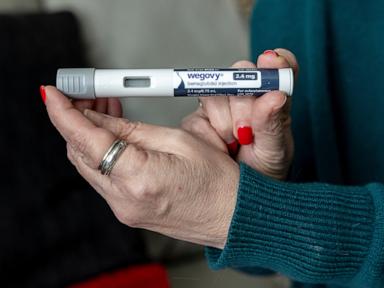
Starting July 1, 2026, millions of older Americans gain access to blockbuster weight loss drugs including Wegovy, Zepbound, and Foundayo for a flat fifty-dollar monthly copayment through the new federal Medicare GLP-1 Bridge program. This massive shift circumvents a decades-old statutory ban on Medicare covering weight loss medications. However, this is not a standard expansion of standard Part D insurance coverage. It is an experimental, temporary bypass system that operates entirely outside traditional insurance frameworks, carrying strict clinical gatekeeping and a major financial catch that could leave vulnerable seniors exposed to unexpected expenses elsewhere.
The Illusion of Universal Access
The headlines promise cheap access to the most coveted medications in modern medicine. The reality is a tightly engineered obstacle course. To secure a prescription under the new demonstration program, beneficiaries cannot simply ask their doctor for assistance with weight loss. Federal regulators have built a tiered eligibility matrix based strictly on Body Mass Index and specific medical complications.
Patients with a BMI of 35 or higher can qualify on weight alone. Those with a BMI between 30 and 34 must prove they also suffer from heart failure, uncontrolled high blood pressure, or advanced chronic kidney disease. For individuals with a BMI between 27 and 29, entry requires a documented history of pre-diabetes, a previous stroke, a heart attack, or blocked arterial pathways.
Then comes the administrative twist. If a patient already qualifies for a GLP-1 drug through their standard Part D plan due to type 2 diabetes, severe sleep apnea, or fatty liver disease, they are barred from this program. The federal government is drawing a hard line between treating a primary metabolic disease and treating obesity alone.
The Parallel System Managed by a Competitor
To pull off this policy maneuver without rewriting statutory law, the Centers for Medicare and Medicaid Services bypassed traditional insurance plan infrastructure entirely. Instead of individual Part D sponsors managing these benefits, the government established a single, centralized processor to handle every single claim, prior authorization, and pharmacy payout nationwide.
Humana handles the infrastructure under a federal contract. When a doctor writes a prescription for a covered drug, such as the Zepbound KwikPen or Wegovy tablets, they do not submit it to the patient’s normal drug plan. They must route it through a centralized federal portal.
Traditional health plans bear zero financial risk for these medications. This structure insulates insurance corporations from the catastrophic financial liabilities associated with widespread GLP-1 utilization, but it leaves patients stranded in a parallel administrative universe. If a pharmacy run reveals an issue with a claim, the standard insurance helpdesk will be unable to assist.
The Financial Trap Hidden in the Fine Print
The fifty-dollar copay sounds like a triumph for affordability, especially for seniors accustomed to thousand-dollar monthly retail prices. It hides a severe regulatory penalty. Because this initiative operates completely outside the standard Part D framework, these fifty-dollar monthly payments do not count toward a patient's annual out-of-pocket drug spending limit.
The Inflation Reduction Act established a hard two-thousand-dollar out-of-pocket cap for Medicare Part D prescriptions. Under normal circumstances, every dollar spent on a covered medication pushes a senior closer to that protective ceiling, after which their medications become free for the rest of the year.
Money spent on the new weight loss bridge does not count. A senior could spend six hundred dollars over the course of a year on Wegovy, yet their progress toward their Part D safety net remains at absolute zero. They are paying for a premium health benefit that exists on a completely separate ledger, effectively extending their financial vulnerability for other critical medications like insulin, blood thinners, or cancer therapies.
Furthermore, patients are banned from utilizing manufacturing coupons or copay cards to lower that fifty-dollar fee. The price is fixed, non-negotiable, and completely disconnected from the broader structural reforms designed to protect senior citizens from catastrophic healthcare spending.
The Problem with Discarded Formulations
The administrative guidelines reveal a highly specific preference for certain delivery mechanisms, creating an operational minefield for both doctors and pharmacies. The program explicitly covers Wegovy injections and tablets, Foundayo tablets, and the Zepbound KwikPen formulation.
It completely excludes single-dose Zepbound pens and Zepbound vials.
This distinction is not merely academic. Drug manufacturers frequently shift production based on supply chain realities and market demands. If a local pharmacy runs out of the KwikPen variant of Zepbound but possesses ample stock of single-dose vials, the pharmacist cannot substitute the medication under this program. The patient must either pay the full retail price out of pocket or wait for a specific packaging type to return to stock, disrupting clinical continuity for a medication that requires consistent weekly dosing to remain effective.
An Abrupt Hard Stop on the Horizon
This entire framework is built on borrowed time. Federal officials initially intended to transition this initiative into a broader program called the BALANCE model by 2027, which would have integrated weight loss therapies directly into standard Part D plans. Policy friction and economic anxieties forced a sudden shift in strategy.
The integration model is delayed indefinitely. Instead, regulators simply extended this temporary parallel system through December 31, 2027.
Seniors entering this program are stepping onto a platform that terminates abruptly in eighteen months. Unless Congress passes sweeping legislation to fundamentally alter the statutory definition of Medicare or the administration invents another regulatory workaround, the benefit will vanish overnight. Patients who successfully shed weight and stabilize their cardiovascular health will face an immediate choice between absorbing a thousand-dollar monthly cash expense or abandoning their therapy entirely, guaranteeing a rapid return of the chronic conditions the program sought to alleviate.