A Container Ship's Shadow
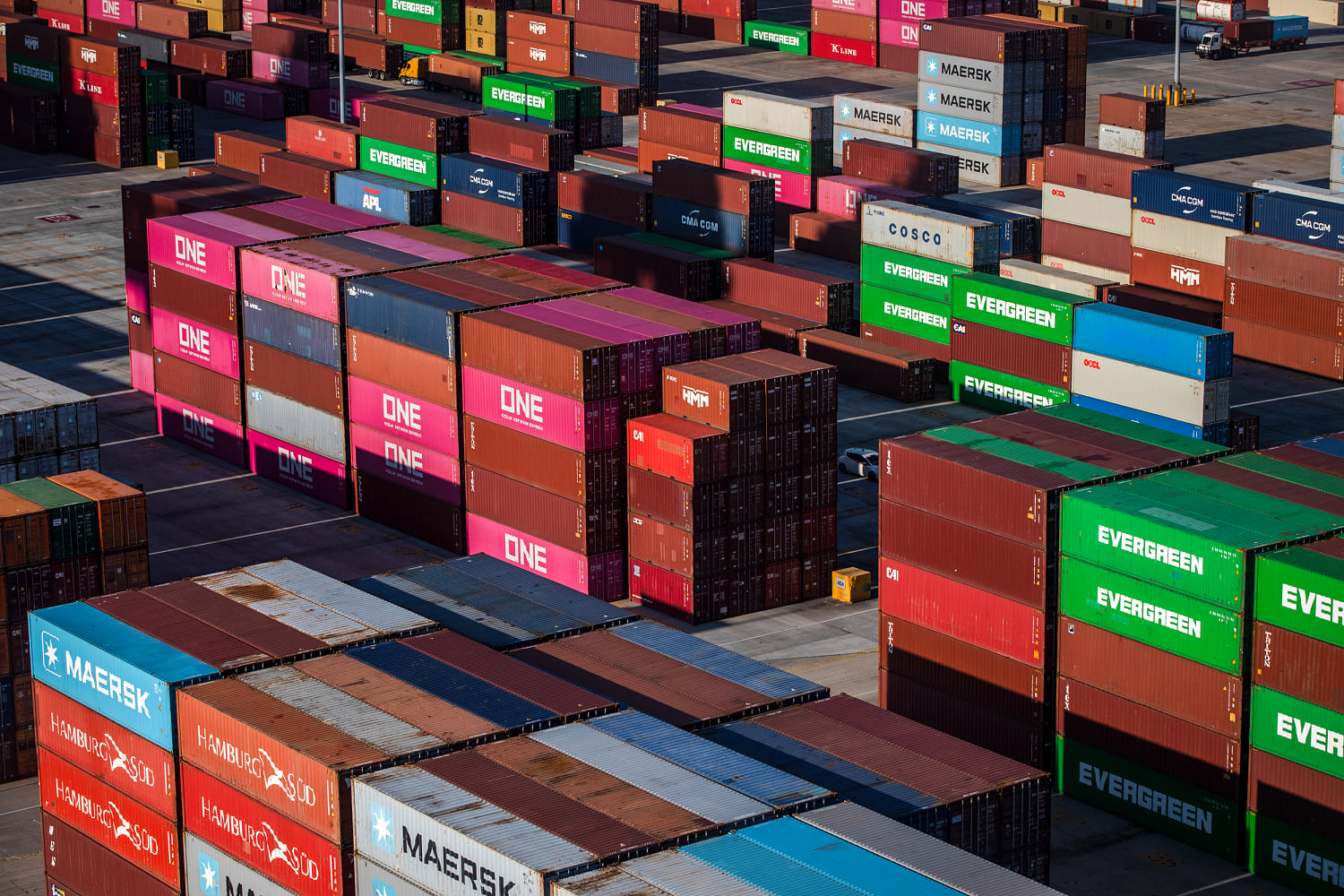
A metal shipping container sits on a rain-slicked dock in Baltimore, its paint peeling under a grey Atlantic sky. Inside are thousands of precision-machined brass valves. Each one is destined for a small manufacturing plant two states away, where forty people depend on those exact parts to assemble water filtration units.
Yesterday, those valves cost twenty dollars apiece to import. Today, the price tag shifted without warning. For a different look, see: this related article.
A quiet stroke of a pen thousands of miles away in Washington rewrote the math. Temporary trade duties, designed as a stopgap measure, hit their expiration date. Instead of letting them vanish, federal authorities rolled out a fresh slate of permanent tariffs affecting dozens of nations in a single sweeping gesture.
To a policy analyst, it is a routine rebalancing of global economic levers. To the owner of that small assembly plant, it is a sudden, quiet crisis. Related coverage on this trend has been shared by Reuters Business.
The Abstract War on the Factory Floor
We tend to talk about trade policy in sweeping generalizations. We hear terms like balance of trade, protective measures, and reciprocal duties. They sound clean. They sound distant.
They are not.
Trade barriers move like invisible weather patterns through local economies. When a government imposes fresh duties on international goods, the impact does not land first on foreign heads of state. It lands on local balance sheets.
Consider a hypothetical machine shop owner named Elena. For fifteen years, her business has run on narrow margins, building specialized components for home appliances. She sources raw aluminum internationally because domestic suppliers simply do not produce the specific alloy her machinery requires.
When new import taxes take effect overnight, Elena faces a choice with no good outcomes:
- Absorb the cost: Watch her operating margins vanish, threatening payroll within six months.
- Pass the cost forward: Raise prices on her buyers, risking losing her long-standing contracts to larger conglomerates with deeper pockets.
- Pivot suppliers: Spend months vetting new vendors who may not meet the same quality standards or production timelines.
This is where abstract policy meets human friction. Every line item on a government tariff schedule represents thousands of decisions like Elena's, multiplied across every city, town, and industrial park in the country.
Why Temporary Policies Rarely Stay Temporary
How did we get here?
Economic history follows a predictable loop. Emergency measures are enacted during periods of market stress or diplomatic friction. They are framed as brief, targeted interventions—a quick umbrella brought out during a sudden downpour.
Then the rain stops, but no one wants to put the umbrella away.
Governments get used to the revenue streams generated by import taxes. Domestic industries build entire business models around the artificial price floors created by protective duties. Once those protections exist, taking them away feels to those industries like a sudden penalty rather than a return to baseline.
So, as temporary deadlines loom, policymakers face immense pressure. Expiration dates are replaced with long-term structures. The exception becomes the standard.
Temporary Relief Measures
       │
       ▼
Market Adaptations & Reliance
       │
       ▼
Expiration Deadline Approaching
       │
       ▼
Permanent Policy Realignment
When new tariffs replace expiring duties across dozens of trading partners simultaneously, it signals a deeper structural shift. It is a declaration that open-market fluidity is taking a backseat to industrial strategy and national economic defense.
The Escalation Loop
There is an old physical principle that applies surprisingly well to economics: action and reaction are rarely contained to a single vector.
When Nation A raises duties on imports from Nation B, Nation B does not simply accept the shift. They re-evaluate their own positions. Retaliatory duties hit agricultural exports, consumer electronics, or raw materials.
The immediate result is uncertainty. And uncertainty is the one tax that no business, large or small, knows how to budget for.
"A business can adjust to high costs, and a business can thrive under low costs. The one environment a business cannot survive is constant unpredictability."
When supply chains cross five different international borders before reaching a store shelf, every tariff adjustment sends a tiny tremor along the entire line. Freight forwarders hold shipments. Importers pause orders. Financing costs tick upward because lenders demand higher interest to offset the risk of unexpected trade fees.
What Happens at the Checkout Line
It is tempting to think this dynamics only matters to corporate logistics managers or international shipping magnates. But every dollar added to a raw material or mid-stage component travels down the river until it reaches the quiet estuary of retail.
It shows up in the price of a replacement car part.
It appears in the cost of a garden tool.
It settles subtly into the price of a morning cup of coffee brewed with an imported machine.
The ultimate bill for global trade policy is never paid in Washington or Geneva. It is paid in cash registers, digital checkouts, and monthly household budgets.
The ships will keep docking. The containers will keep opening. But as temporary duties give way to permanent structures, the quiet math of everyday life continues to shift beneath our feet.