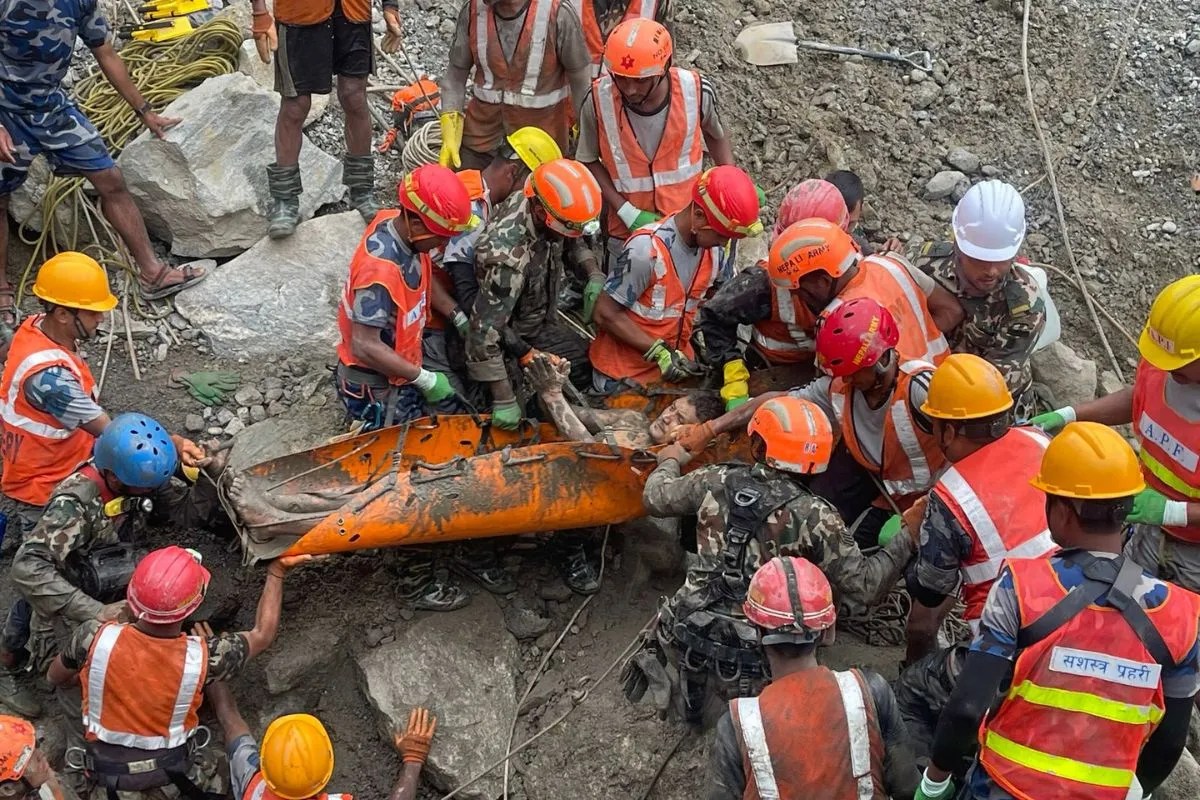
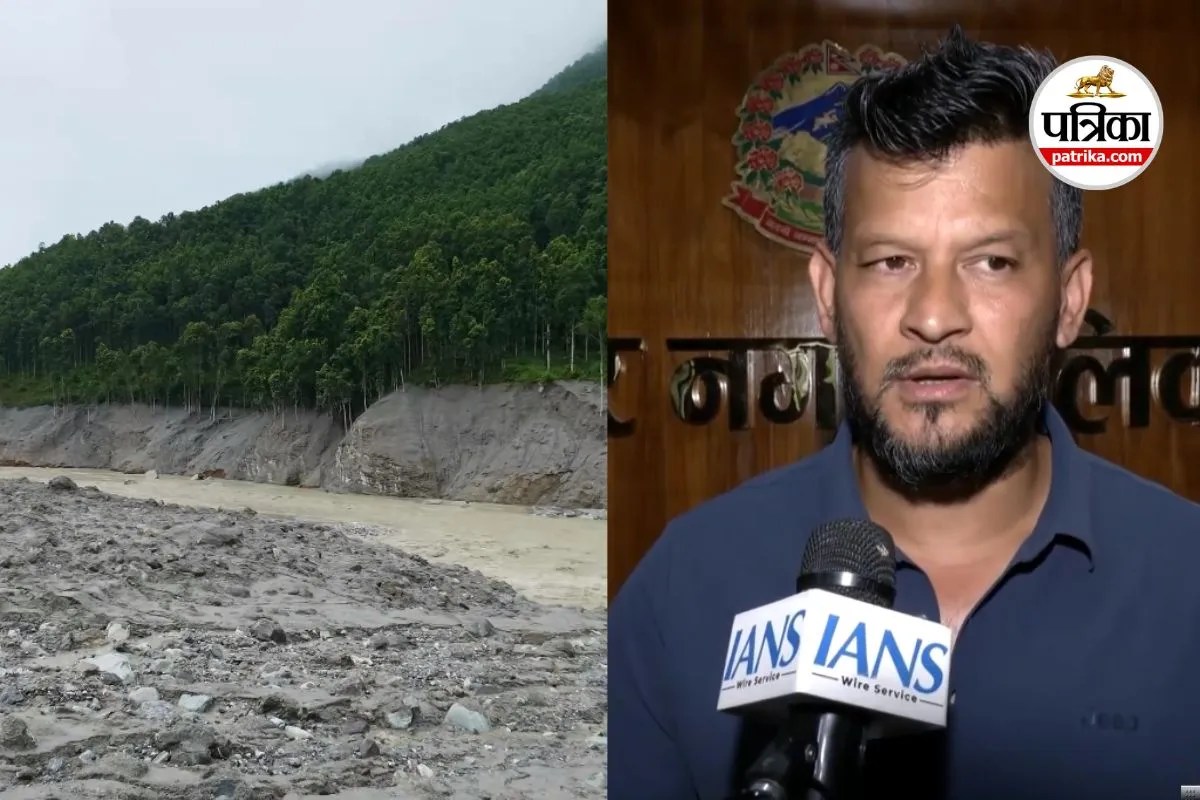
When catastrophic flash floods swept through Nepal's Rasuwa district and the Bhotekoshi river basin, claiming well over a thousand lives, the disaster exposed a raw diplomatic fracture over who pays for planetary heating. Foreign Minister Shisir Khanal initially sparked international friction by declaring that major industrial emitters like China, India, and the United States owed legal and moral liability for the destruction, framing the crisis not as charity but as a profound debt. Within days, as regional tension mounted, Kathmandu retreated from the explicit compensation demand, insisting the remarks were meant to highlight systemic climate vulnerability rather than target individual neighbors. This swift diplomatic backpedaling reveals a harsher reality. Developing mountain nations are trapped between existential ecological ruin and the rigid, unyielding machinery of international geopolitics.
The numbers tell an unforgiving story. Nepal contributes a fraction of one percent to global greenhouse gas emissions yet serves as ground zero for some of the most violent manifestations of atmospheric warming. Glacier melt across the Hindu Kush Himalaya region has accelerated dramatically, destabilizing ancient ice reserves and creating massive, unstable glacial lakes. When these natural dams fail, the resulting mountain tsunamis wipe out infrastructure built to withstand historical weather patterns that no longer exist. Expanding on this theme, you can also read: Why Beijing Controls the Border Flood Narrative and Why We Keep Falling for It.
Yet, demanding financial restitution from major polluters triggers immediate defensive maneuvers. Neighboring powerhouses like India and China share the same fragile mountain ecosystems and face their own mounting climate shocks, complicating any straightforward assignment of liability. When small states point fingers at industrial giants, diplomatic channels freeze. Humanitarian aid arrives, but structural accountability vanishes behind polite communiques.
The Mechanics of Loss and Damage
To understand why Nepal's initial outcry struck such a nerve, one must examine the architecture of global climate finance. For decades, international climate negotiations treated adaptation and mitigation as the twin pillars of survival. Adaptation meant building higher walls around coastal cities or teaching farmers how to grow drought-resistant crops. Mitigation meant cutting carbon emissions to keep global temperature rises below critical thresholds. Observers at Reuters have shared their thoughts on this trend.
Both approaches assume a functioning system where risks can be managed with enough planning and funding. They completely break down in the face of sudden-onset catastrophes like the Bhotekoshi floods, where entire communities vanish overnight.
This vacuum gave rise to the demand for a dedicated loss and damage fund. Wealthy nations resisted this mechanism for years, terrified that admitting fault for climate impacts would open the floodgates to trillions of dollars in legal liabilities. When a nation like Nepal formally approaches international bodies or speaks of moral duty, it is trying to pry open a door that industrial powers spent decades barricading.
The friction point lies in the difference between humanitarian relief and climate reparations. Emergency supplies, temporary medical tents, and rescue teams flown in by regional partners are vital during the immediate aftermath of a disaster. They keep survivors alive for the first critical weeks. They do not rebuild obliterated local economies, restore devastated agricultural land, or relocate populations living under the shadow of collapsing glacial walls.
Geopolitical Realities in the Roof of the World
South Asia's geography complicates the politics of survival. The Himalayan river systems feed the water security of nearly two billion people downstream. When the mountains warm up twice as fast as the global average, the consequences ripple across national borders regardless of political alignments.
Nepal finds itself in a permanent structural bind. Heavy reliance on foreign goodwill for post-disaster recovery means that aggressive diplomatic posturing over climate debt carries an immediate economic cost. A government desperate for reconstruction funds cannot afford a prolonged diplomatic standoff with its primary trade and security partners.
Consider how this dynamic plays out on the ground. Following the recent disaster, emergency aircraft from neighboring capitals landed in Kathmandu with tons of relief supplies and specialized rescue personnel. This swift mobilization demonstrates regional solidarity, yet it also reinforces an asymmetric relationship. The donor holds the purse strings and sets the diplomatic tone, while the affected nation must balance its righteous anger against its urgent need for concrete assistance.
This is why Foreign Minister Khanal's rapid pivot from demanding compensation to calling for regional cooperation was inevitable. The international system offers no legal tribunal where a small Himalayan country can successfully sue a global superpower for melting its glaciers. International law remains stubbornly anchored in state sovereignty and voluntary agreements, leaving vulnerable countries dependent on the very nations driving the crisis to voluntarily offer relief.
Beyond the Rhetoric of Resilience
The vocabulary of international climate summits is saturated with comforting abstractions. Words like resilience and sustainability mask the brutal calculus of who lives and who drowns as the planet warms. Communities clinging to steep mountain slopes do not need philosophical declarations about shared global stewardship. They need early warning systems that work before glacial lakes breach, engineering standards capable of withstanding unseasonal deluges, and financial flows that treat reconstruction as an obligation rather than foreign aid.
As global temperatures continue to climb, the tension between sovereign defensiveness and mounting climate debt will only intensify. Every flash flood in the high mountains brings a fresh round of diplomatic friction, followed by temporary relief, followed by a quiet return to the status quo.
The underlying crisis remains untouched. Until the international community constructs a reliable mechanism to address the permanent loss of land, culture, and life in vulnerable regions, nations like Nepal will continue to face an impossible choice. They can suppress their legitimate demands for justice to secure immediate survival, or they can speak the unvarnished truth about a global crisis they did not create, only to watch the world look away.