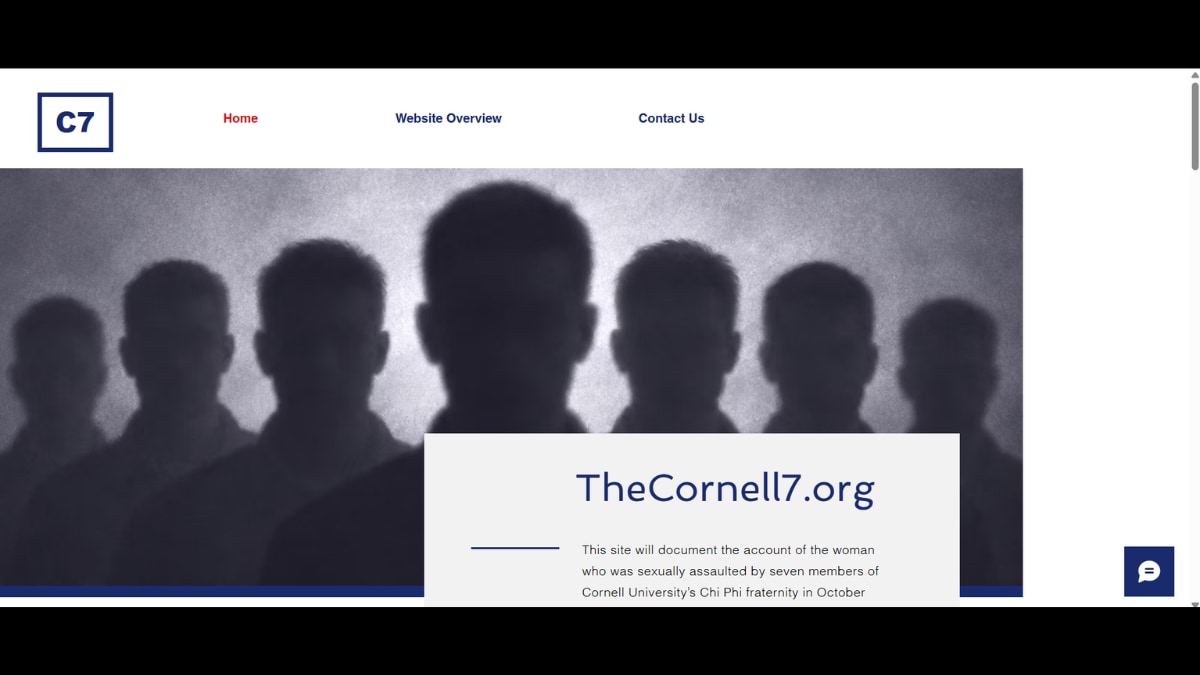
Power dynamics on college campuses are shifting. Digital exposure changes the rules entirely. When a prominent television writer linked to South Park and the digital archiving project known as the Cornell 7 stepped into the public spotlight with stark warnings, the conversation around institutional accountability took a sharp turn. Fraternities have operated behind closed doors for generations. Alumni networks, administrative insulation, and a culture of silence protected bad actors for decades. Now, personal archives and digital footprints threaten to upend that entire ecosystem.
You might wonder how a comedy writer ends up at the center of a high-stakes controversy involving alleged sexual assault and institutional cover-ups. The intersection of entertainment influence and grassroots college activism creates a volatile mix. When someone with a massive public platform says they have photographic evidence, people listen. Universities can no longer rely on internal investigations that quietly sweep misconduct under the rug. The digital age leaves receipts. Photos exist. Texts exist. Names exist.
The Anatomy of Campus Institutional Secrecy
For decades, Greek life organizations enjoyed a unique bubble of immunity. Universities relied heavily on wealthy alumni donors from these exact fraternities. Administrative oversight often consisted of gentle slaps on the wrist. If an accusation surfaced, legal teams and public relations departments moved quickly to mitigate damage. Protecting the brand mattered more than protecting students.
That model is collapsing.
Social media shattered the monopoly universities held over campus narratives. Victims and advocates no longer have to beg deans for a fair hearing. They can build independent platforms, archive digital evidence, and bypass institutional gatekeepers entirely. The Cornell 7 initiative represents this exact shift. It is a direct challenge to top-down administrative control. When independent creators step in with threats of unredacted exposure, the power balance shifts overnight. Fraternities panic. Administrators scramble. The old playbook fails completely.
Why Photographic Evidence Changes Everything
Hearsay is easy to dismiss. Universities mastered the art of plausible deniability. "We investigated and found insufficient evidence" became the standard boilerplate response to serious allegations. It closed the book and protected the institution from liability.
Photographs rewrite the rules of engagement.
A photograph does not care about a donor's checkbook. It does not negotiate with university legal counsel. When a public figure declares they possess visual proof of alleged crimes inside a fraternity house, administrative stonewalling stops working. You cannot investigate yourself out of a clear image. You cannot dismiss physical documentation as a misunderstanding.
This is why the current standoff draws so much attention. It is not just about one specific house or one specific accusation. It is about the terrifying realization for corrupt organizations that their actions were documented. People take pictures at parties. People record things they shouldn't see. Those digital files live on hard drives, cloud storage, and decentralized platforms waiting for the right moment to surface.
The Legal and Ethical Minefield of Digital Vigilantism
Public threats of exposure ignite intense debates. Is online vigilantism justice, or is it chaos? Critics argue that bypassing the legal system creates dangerous precedents. Due process matters. Police investigations matter. Courts exist for a reason.
At the same time, victims know how often the legal system fails them. Statute limitations, hostile police departments, and aggressive defense teams make traditional justice an uphill battle. When survivors see institutional doors slamming in their faces, alternative routes look appealing. If the university won't act and the police stall, public exposure feels like the only weapon left.
Yet, public exposure carries heavy risks. Misidentification happens. Out-of-context images circulate. The line between accountability and harassment blurs quickly. When high-profile creators use their reach to amplify these exposes, the velocity of information overwhelms careful verification. That creates a chaotic environment where reputations can be destroyed before facts are fully sorted out.
The Broader Impact on Greek Life Across the Country
Fraternities nationwide are watching this unfold with deep anxiety. Chapters that spent years cleaning up their public image suddenly realize their entire history is vulnerable. Risk management policies, dry-rush rules, and mandatory diversity seminars look like superficial theater when someone with a megaphone claims to have hard proof of criminal behavior locked in a folder.
Universities face a brutal reckoning. If administrators knew about allegations and buried them to protect enrollment numbers, the legal fallout will be devastating. Civil lawsuits will dwarf any PR crisis. Insurance companies are already tightening policies on Greek organizations, making housing insurance astronomical or impossible to secure for high-risk chapters.
What Happens When the Silence Breaks
The era of quiet settlements is ending. Transparency is no longer optional. Whether the promised photos materialize tomorrow or next year, the psychological damage to the culture of impunity is already done. Frat houses can no longer assume that what happens inside stays inside.
Real change requires structural overhaul. Universities must strip fraternities of special privileges and hold them to the exact same behavioral standards as any other student organization. Zero-tolerance policies must mean zero tolerance, regardless of how much money an alumnus donates.
You cannot outrun a digital trail forever. The actors in these dramas are finding out that wealth and institutional backing cannot shield them from public scrutiny when the receipts finally drop. The writing is on the wall. The only question left is who will be held accountable when the doors are finally kicked open.