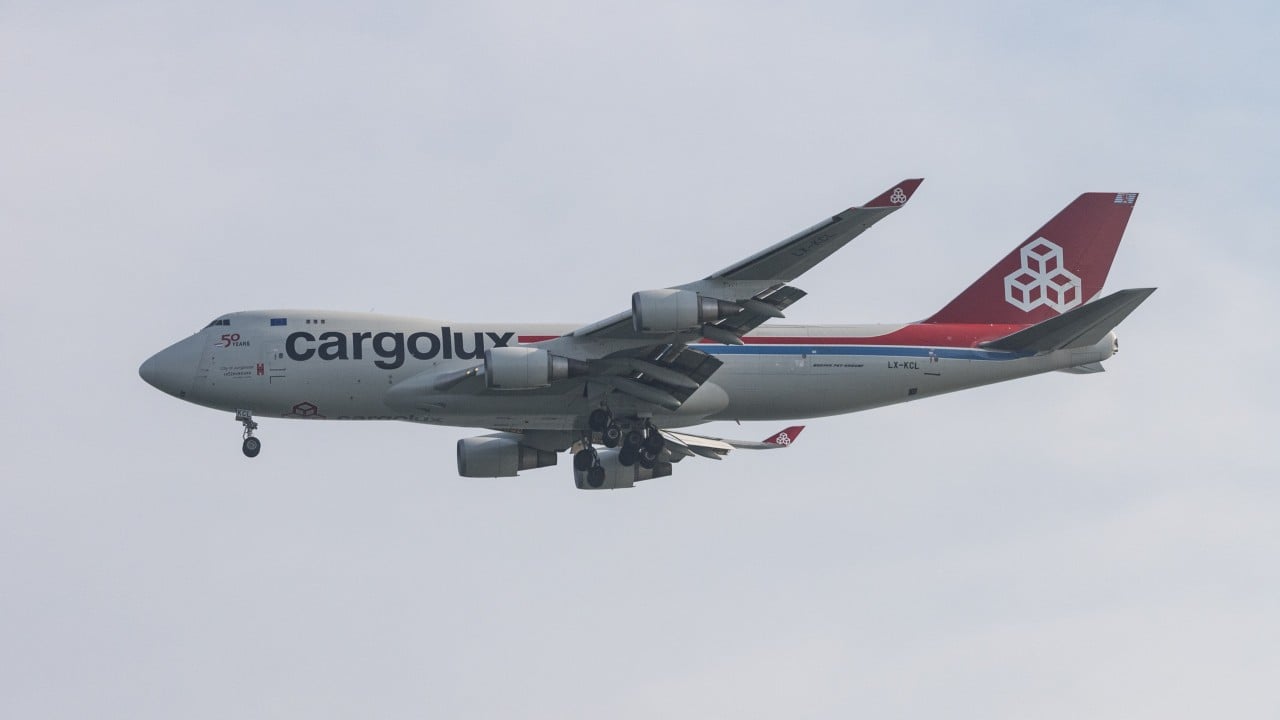
A major runway shutdown happened at Hong Kong International Airport after an Atlas Air cargo plane made an emergency return, suffering a suspected fuel leak that spilled onto the north runway. The incident ground the hub's cargo operations to a halt, trapping dozens of flights and exposing vulnerabilities in the airport's single-runway contingency plans.
When an emergency happens on a runway, seconds count. But when that emergency involves a massive Boeing 747 freighter dumping or leaking highly flammable aviation fuel across thousands of meters of tarmac, the entire airport grid locks up.
The Reality of Cargo Plane Fuel Emergencies
The aircraft, operated by Atlas Air, took off from Hong Kong bound for Anchorage but quickly reported a hydraulic issue and a suspected fuel leak. Ground crews scrambled. The plane landed safely, but the damage to the airport's schedule was already done. The north runway stayed closed for hours while specialized clean-up crews washed down the tarmac to prevent a catastrophic fire.
Airports hate closing runways. It costs millions of dollars per hour in delayed flights, diverted fuel, and upset logistics. Cargo operations suffer the most because freighters operate on razor-thin schedule windows. When a giant jet spills fuel, you can't just sweep it away. Aviation fuel degrades asphalt, creates massive slip hazards for other aircraft tires, and poses an immediate spark risk.
What Ground Crews Face During a Tarmac Spill
Dealing with a fuel spill on a major runway isn't just about throwing down some absorbent towels. It requires a massive coordinated effort between airport fire services and engineering teams.
First, they have to apply specialized foam or chemical dispersants to neutralize the flammable vapors. If the fuel penetrates the runway surface, it can soften the tarmac, meaning engineers have to inspect the structural integrity of the runway before any 400-ton airliner is allowed to land on it again. In this case, the cleanup took hours, forcing the airport to rely entirely on its south runway, creating a massive bottleneck for both passenger and cargo traffic.
The Ripple Effect on Global Supply Chains
Hong Kong is the busiest air cargo hub in the world. When a runway closes there, global supply chains feel it instantly. Dozens of flights faced delays, and several cargo flights had to divert to alternative airports in the region, including Shenzhen and Macau.
For electronics manufacturers and e-commerce giants relying on just-in-time shipping, an unexpected five-hour delay disrupts logistics chains across Europe and North America. It forces logistics managers to scramble for alternative slots, driving up spot freight rates overnight.
Aviation authorities are actively investigating the exact mechanical failure that led to the leak. For now, logistics managers should audit their regional routing options and ensure backup plans exist for flights routing through ultra-dense hubs like Hong Kong. Relying on a single hub without a secondary diversion strategy is a risk you simply shouldn't take.



