Every time the Hong Kong Observatory issues a Cold Weather Warning, newcomers laugh at the numbers on their weather apps. Twelve degrees Celsius? Back in London, Toronto, or New York, that’s light jacket weather. Then they step off the MTR in Wan Chai, hit a wall of damp, gale-force harbor wind, and immediately regret not packing a heavy parka.
Hongkongers are currently bracing for the chilliest days of the season as a powerful winter monsoon and cold front push south across the Guangdong coast. With brisk northerly winds and persistent rain moving into the territory, temperatures are plunging rapidly. If you live here, you already know the drill. That infamous "wet cold" is about to seep straight into your bones, and your concrete apartment isn't going to do you any favors.
The Science Behind Hong Kong's Brutal Damp Cold
You aren't imagining things when 11°C in Tsim Sha Tsui feels noticeably colder than 2°C in a dry climate. It comes down to basic physics and local geography. When a cold front sweeps down from mainland China, it brings intense northerly winds that funnel straight through Victoria Harbour and the narrow urban canyons of Kowloon and Hong Kong Island.
Wind chill strips away the thin layer of warm air your body naturally traps against your skin. Add high relative humidity and light rain to the mix, and the air conducts heat away from your body drastically faster than dry air ever could. Your sweat doesn't evaporate cleanly. Moisture clings to your outer layers, turning a standard cotton hoodie into a freezing wet towel within twenty minutes of waiting at a bus stop.
According to the Hong Kong Observatory, cold surges during the winter monsoon frequently cause temperatures to drop by 8 to 10 degrees within a single 24-hour window. Your body simply doesn't have time to acclimatize. Yesterday you were running the dehumidifier in a t-shirt; today you're shivering on the Star Ferry.
Why Indoor Living Feels Like a Refrigerator
Most buildings in Hong Kong are engineered for one primary mission. They are built to survive typhoons and shed tropical summer heat. Central heating basically doesn't exist in standard residential flats, and single-pane windows are the norm across everything from older walk-ups in Sham Shui Po to luxury high-rises in Mid-Levels.
Concrete holds onto the cold. Once the ambient temperature drops and stays low for three or four days, the walls and tiled floors of your flat turn into giant heat sinks. They actively pull warmth out of the room. Honestly, it is often warmer standing in a sunny patch on the promenade in Quarry Bay than sitting at your dining table at 8 PM.
What Most People Get Wrong About Dressing for a Cold Front
The biggest mistake people make when a cold front hits Hong Kong is throwing on one massive, heavy winter coat over a thin cotton t-shirt. It sounds logical. It fails miserably in practice.
Here is what actually happens during a typical Hong Kong commute:
- You walk outside into 11°C rain and stiff winds, feeling alright in your heavy coat.
- You descend into the MTR station, which is packed with thousands of people and sits at a humid 22°C.
- You immediately start sweating under that heavy coat.
- You step back out onto the street at your destination, and that trapped sweat turns ice-cold the second the northerly wind hits you.
Cotton is your worst enemy during a wet cold snap. Once cotton fibers absorb moisture from rain or perspiration, they lose almost all insulating value and take hours to dry in Hong Kong's humidity.
The Layering System That Actually Works
Stop relying on a single bulky jacket. Instead, use a three-part system designed for rapid temperature swings between freezing streets and stifling transit hubs:
- The Base Layer: Wear synthetic moisture-wicking fabrics or lightweight merino wool. Brands like Uniqlo sell Heattech specifically for this climate, and there's a reason you see half the city wearing it. It pulls sweat off your skin so you don't chill when you exit the subway.
- The Mid Layer: Go with a breathable fleece or a thin down vest. You want something that traps warm air close to your core without making your arms feel stuffed like sausages.
- The Outer Shell: This is non-negotiable when a cold front brings rain. You need a windproof, water-resistant shell. A puffer jacket without a wind-resistant outer fabric will let the northerly gusts blow straight through the stitching, rendering the down useless.
Don't forget your extremities. You lose a massive amount of perceived comfort when your ankles and neck are exposed to drafting wind. Swap the no-show socks for proper wool blends, and wrap a lightweight scarf around your neck to seal the gap at the top of your jacket.
Navigating the City When Wind and Rain Hit
A sudden temperature plunge paired with rain changes the rhythm of the city overnight. Visibility drops around the harbor, ferries rock harder on the water, and wet granite pavements become ridiculously slick. If you've ever walked down the steep slopes of Central or Sheung Wan in smooth-soled dress shoes during a winter drizzle, you know how fast a normal Tuesday can turn into a bruised tailbone.
Commuting and Outdoor Safety
High winds up on the peaks and exposed ridges create genuine hazards. Hikers heading up to Tai Mo Shan, Lantau Peak, or even Dragon's Back need to rethink their plans when the Observatory issues cold and strong monsoon warnings. Temperatures on Tai Mo Shan routinely drop several degrees lower than urban areas, often hitting near-freezing levels with biting wind chill and dense fog. Frost can form on vegetation at the highest elevations, and rescue services inevitably get called out to help underdressed hikers suffering from mild hypothermia.
Even down at sea level, coastal promenades take a beating. Keep clear of exposed seawalls in Hung Hom, Kennedy Town, and Tseung Kwan O when gusts pick up. The rain blows sideways, rendering standard cheap umbrellas completely useless—all you'll do is contribute to the graveyard of mangled metal frames overflowing from public trash bins.
Protecting Vulnerable Neighbors
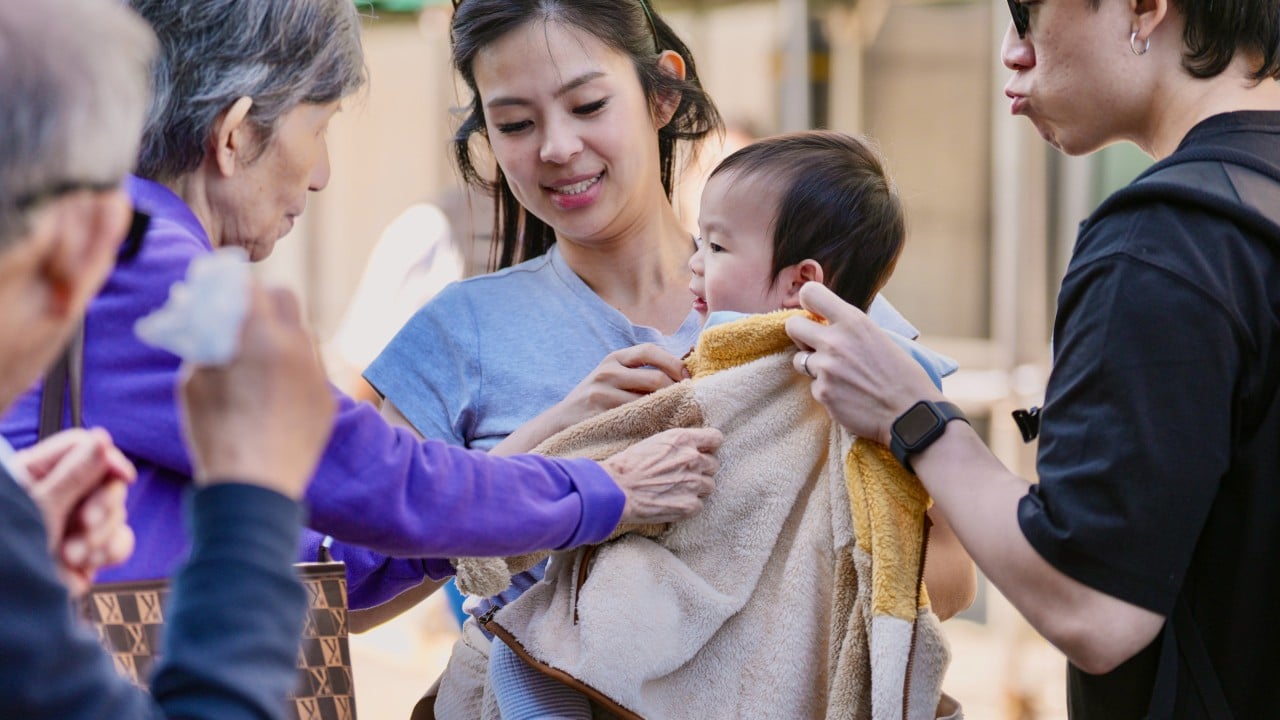
While office workers complain about chilly air conditioning and damp shoes, extreme cold fronts pose serious health risks to Hong Kong's elderly population and street sleepers. Many older residents live in subdivided flats or older public housing estates with poor insulation and drafty windows.
Cold weather causes blood vessels to constrict, which spikes blood pressure and increases the strain on the heart. Local hospitals consistently see a surge in admissions for cardiovascular and respiratory issues during sharp winter temperature drops. The Centre for Health Protection regularly warns residents to check in on elderly relatives and neighbors living alone whenever the Cold Weather Warning goes up.
If you're using space heaters at home to take the edge off, plug them directly into a wall outlet. Never run a high-wattage ceramic or oil-filled heater through a cheap multi-socket extension cord. Fire services deal with preventable electrical fires every single winter because people overload aging power strips while trying to warm up their bedrooms.
How to Warm Up Your Flat Without a Central Heater
Since you can't magically install radiant floor heating in a rented Hong Kong flat, you have to get strategic about managing indoor air and humidity.
Start by killing the drafts. Feel around the edges of your aluminum window frames and the gap under your front door. You'll likely feel a steady stream of cold air pouring inside. Stuff a rolled-up bath towel along the bottom of the front door and use cheap foam weatherstripping tape along leaky window tracks. It costs almost nothing and instantly stops the room from bleeding heat.
Run your dehumidifier. This sounds counterintuitive when you're freezing, but lowering the indoor relative humidity from 85% down to 55% makes the exact same room temperature feel markedly warmer. Plus, running a compressor dehumidifier actually generates a gentle stream of warm exhaust air as a byproduct. You dry out the dampness in your bedding and take the chill out of the bedroom at the exact same time.
If you have a reverse-cycle air conditioner—a split unit with a heat pump function—use it instead of a portable electric resistance heater. Heat pumps move heat rather than generating it from scratch, making them vastly cheaper to run on your CLP or HK Electric bill. Set it to 20°C rather than cranking it to 28°C; you'll warm the room evenly without drying out your throat.
Immediate Steps Before Temperatures Bottom Out
Don't wait until you're shivering under three blankets at midnight to get sorted. Check the latest localized district readings on the MyObservatory app, because temperatures in the New Territories—places like Ta Kwu Ling, Sheung Shui, and Tai Po—routinely drop two to four degrees lower than the urban readings in Tsim Sha Tsui. Pull your windproof outer shell and wool socks to the front of your wardrobe tonight, seal the drafty gaps under your doors, set your dehumidifier to keep indoor moisture in check, and make a quick phone call to check on any elderly family members before the worst of the northerly winds arrive.