Western investors are spooked and for good reason. Geopolitical tension in the Middle East isn't just a headline anymore; it’s a structural shift in how the world moves and stores its most precious assets. If you think the push for a global gold vault in Hong Kong is just about local trade, you’re missing the bigger picture. It’s about survival in a world where traditional safe havens don't feel so safe anymore.
Investors are looking at the map and realizing that London and New York are tied to a financial system that feels increasingly weaponized. When the Iran conflict escalates, the ripple effects hit the gold market instantly. But the gold isn't just getting more expensive. It’s moving.
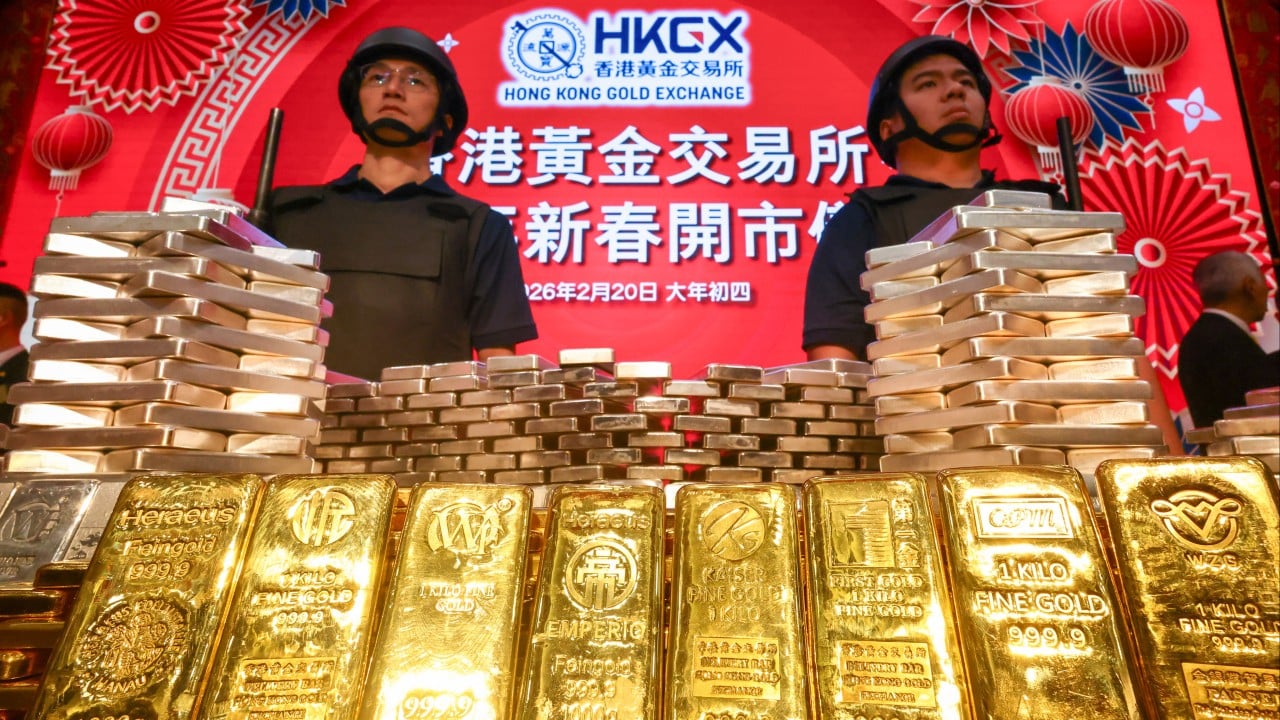
Hong Kong is positioning itself to be the primary beneficiary of this massive migration. The city’s government recently announced plans to build a world-class gold storage facility and trading hub. This isn't some small-scale warehouse project. We’re talking about a facility capable of handling thousands of tonnes of physical bullion. It's a direct challenge to the dominance of the London Bullion Market Association (LBMA).
The Geopolitical Push Toward Eastern Vaults
Why now? Because the old world order is cracking. When the US and its allies froze Russian central bank assets, every sovereign wealth fund in the world had a "lightbulb" moment. They realized that keeping your gold in a Western vault means your wealth is only yours as long as you stay on the right side of Washington.
The conflict involving Iran adds another layer of urgency. As the Middle East becomes more volatile, capital naturally seeks the path of least resistance to safety. For decades, that path led to Switzerland or London. Not today. Today, the flow is heading East.
Investors in the Gulf and across mainland China want their physical assets close to home. They want them in a jurisdiction that isn't going to slap a "freeze" order on their holdings because of a diplomatic spat. Hong Kong sits right at the doorstep of the world’s largest gold consumer: China. That proximity isn't just convenient. It’s a strategic moat.
Why London and New York Should Be Worried
For a long time, the "paper gold" market in New York and the physical clearing house in London were the only games in town. But paper gold—futures contracts and ETFs—isn't what people want when the missiles start flying. They want the heavy stuff. They want bars with serial numbers that they can actually touch.
Hong Kong’s advantage is its physical infrastructure. The Airport Authority Hong Kong is already expanding its precious metals depository. This isn't just about storage. It's about liquidity. By creating a massive hub, Hong Kong allows for "price discovery" that reflects Asian demand rather than just Western speculation.
I’ve seen how these shifts happen. It starts slowly, then it happens all at once. You see a few big shipments, then a change in the local tax laws, and suddenly the center of gravity has shifted. Hong Kong’s tax-free status for gold trading makes it an incredibly attractive spot for institutional players who are tired of the regulatory hurdles in Europe.
The Iran Factor and Energy Security
The threat of a wider war involving Iran changes the math for energy-rich nations. Countries like Saudi Arabia, the UAE, and Qatar are sitting on massive reserves of fiat currency that they need to diversify. If the Strait of Hormuz is threatened, the price of everything goes up. Gold is the ultimate hedge against that kind of systemic shock.
But if you’re a Middle Eastern sovereign wealth fund, do you really want to store your "emergency" gold in a city that might be part of the coalition you’re at odds with? Probably not. Hong Kong offers a neutral, commercially-driven environment. It's a place where business usually comes before politics, and in the world of gold, that's a rare commodity.
Building the Infrastructure for a New Bull Market
It’s not enough to just have a big room with a thick door. To become a global gold vault, you need a whole ecosystem. You need refiners, insurers, logistics experts, and a legal system that understands complex commodity trades.
Hong Kong already has the Chinese Gold and Silver Exchange (CGSE), which has been around for over a century. They aren't new to this. What’s changing is the scale. The government is backing a massive expansion that includes professional training for the next generation of gold traders and auditors.
Bridging the Gap With Mainland China
The "Gold Connect" is a concept people don't talk about enough. Just like the Stock Connect allows international investors to trade mainland Chinese stocks, a matured Gold Connect would allow seamless flow between Hong Kong and the Shanghai Gold Exchange (SGE).
China is the world's largest producer and consumer of gold. Yet, for years, the international price was set in London. That's a massive disconnect. By building this vault, Hong Kong acts as the bridge. It allows the world to access Chinese liquidity while providing China with a window to the global market.
Common Misconceptions About the Hong Kong Move
People often say that Singapore is the real winner here. While Singapore is a fantastic hub and has grown its own gold business, it doesn't have the same direct link to the mainland Chinese market that Hong Kong enjoys. Hong Kong isn't just competing with Singapore; it's fulfilling a different role as the primary gateway to the East's largest economy.
Another mistake is thinking this is only about "scared money." It's not. It's about efficiency. If you’re a jeweler in Shenzhen or a manufacturer in Vietnam, why would you want your gold priced and shipped from halfway across the globe? It doesn't make sense. The shift to a Hong Kong hub is as much about logistics as it is about geopolitics.
How to Position Your Portfolio for the Shift
If you're an investor, you can't ignore this. The "Asian Premium" on gold is becoming a real thing. Sometimes gold trades at a higher price in Shanghai or Hong Kong than it does in London. This used to be an anomaly. Now it's becoming a trend.
- Look at physical storage: If you hold significant gold, consider diversifying your storage locations. Don't keep everything in one jurisdiction.
- Watch the spreads: Keep an eye on the price difference between the LBMA and the SGE. That spread tells you where the real physical demand is.
- Follow the miners: Companies that have a strong presence or delivery contracts in the Asian market are going to have a leg up as this hub grows.
The reality is that the West’s grip on the gold market is slipping. It’s a slow-motion transition, but the war in the Middle East is acting like an accelerator. Hong Kong is building the infrastructure today to handle the wealth of tomorrow. It’s a bold bet, but given the state of global politics, it’s a bet that’s likely to pay off.
Stop thinking about gold as just a number on a screen. It’s a physical asset that needs a physical home. Right now, the most logical home for that asset is moving closer to the Pacific. If you aren't watching Hong Kong’s vault expansion, you’re looking the wrong way. Start by researching custodial services that offer Hong Kong-based storage. Check their insurance policies and their ties to the CGSE. The era of the Western monopoly on "safe" storage is over. Get your assets moved before the next major flare-up makes it impossible.