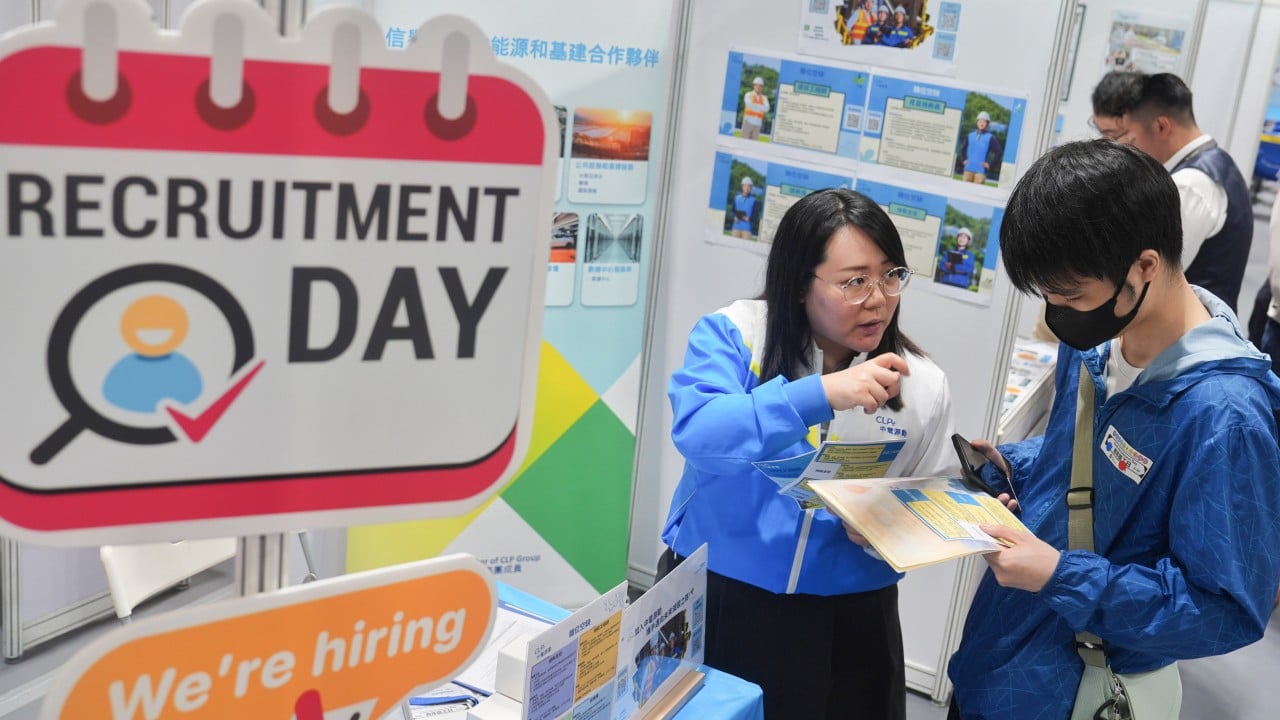
Hong Kong graduates are panicking about landing their first job, and honestly, who can blame them? For decades, the career path for a fresh university leaver in Central or Kowloon was predictable. You start with data entry, basic research, or drafting standard memos, then work your way up. Today, generative AI handles those exact tasks in seconds.
The traditional entry-level ladder is breaking. Recent reports from human resource consultants across the city show a sharp decline in traditional junior openings in finance, marketing, and legal sectors. If an algorithm can summarize a compliance report or build a basic financial model for pennies, companies won't pay a fresh graduate a full salary to do it.
But panicking won't get you hired. The narrative that algorithms are completely replacing human workers misses a crucial shift. Companies aren't stopping their hiring completely. They are changing what they expect from a first-year employee. To get hired today, you have to stop acting like a human data processor and start acting like someone who directs the technology.
The reality of Hong Kong graduates facing AI job displacement
Let's look at what is actually happening on the ground in local offices. A 2024 study by the Hong Kong Institute of Human Resource Management highlighted that over half of the employers surveyed were restructuring their junior roles because of automation. This isn't a distant threat. It's happening right now in the offices of companies like HSBC, local law firms, and major marketing agencies.
The jobs hit hardest are the ones that rely on repetitive digital tasks. Think about junior translation roles, basic accounting data entry, and introductory copywriting. If your primary skill is looking at spreadsheet A and typing data into spreadsheet B, your position is incredibly vulnerable.
This shift creates a massive gap between what universities teach and what employers actually need. Young professionals spend years learning technical skills that become obsolete by graduation day. A university student might spend a semester learning how to write basic Python code for data analysis, only to find that an AI bot can generate that exact code in three seconds flat.
Why technical skills alone will fail you
Many students think the answer is simply learning more tech skills. They rush to take quick courses in prompt engineering or basic coding. That is a trap. Technology evolves too fast for you to build a career solely on being a tool operator.
The real value lies in human judgment. Algorithms are excellent at finding patterns in old data, but they lack context. They don't understand the cultural nuances of doing business in mainland China versus Hong Kong. They can't read the room during a tense meeting with a high-net-worth client from standard banking circles.
Employers are desperate for graduates who possess critical thinking and emotional intelligence. They need people who can look at an automated report, spot the logical errors, and explain what the data means for the company's bottom line. The focus has shifted from execution to interpretation.
How to rewrite your career strategy today
You need to change how you present yourself to employers immediately. Stop listing basic technical proficiencies as your main selling point on your CV. Everyone knows how to use basic software now. Instead, focus on problem-solving outcomes.
Focus on prompt mastery and tool integration
Instead of fearing automation, you must show that you can accelerate a company's workflow. If you use generative tools to complete a project during an internship, don't hide it. Show how you used it to double your output or catch errors. Employers want to see that you can manage digital tools to deliver results faster than a traditional employee could.
Build deep local and regional expertise
Algorithms lack localized understanding. Hong Kong remains a critical bridge between international markets and the Greater Bay Area. Understanding the specific regulatory changes, cultural preferences, and business etiquettes of this region gives you an edge that a software model trained on global internet data cannot easily replicate.
Develop advanced communication skills
Junior workers used to hide behind emails. You can't do that anymore because automated systems write perfect emails. Your value comes from verbal communication, persuasion, and teamwork. Focus heavily on presentation skills and negotiation. Being the person who can confidently brief a team or handle a difficult client call makes you indispensable.
What local employers actually want to see
When top managers interview candidates, they look for adaptability. They know the tools they use today will change within two years. They want to see a track record of rapid learning.
Instead of just listing your university modules, talk about real projects where you had to pivot quickly. Detail an instance where you identified a flaw in a project plan and corrected it. Show that you can think critically under pressure.
The job market is undeniably tougher for fresh graduates right now. The old playbook is dead. However, those who learn to view technology as an administrative assistant rather than a competitor will find plenty of opportunities. The goal is to occupy the space where human emotion, strategy, and technological execution meet. Focus your energy there, and you will secure a spot in the changing workforce.