Hong Kong isn't taking any chances. The government just activated its alert response level for Ebola virus disease. This came right after the World Health Organization declared the current outbreak in the Democratic Republic of the Congo and Uganda a public health emergency of international concern.
You might wonder why a city thousands of miles away from Central Africa cares this much. No case of Ebola has ever been confirmed in Hong Kong. The immediate risk to the public is low. But if you know Hong Kong's history with infectious diseases, you know they don't play around when a global health threat emerges.
The Reality of the Bundibugyo Strain
This isn't the standard Ebola outbreak we usually read about. The current epidemic is driven by the Bundibugyo virus disease, a specific strain of the Ebola genus. That matters because the medical tools we usually rely on won't work here.
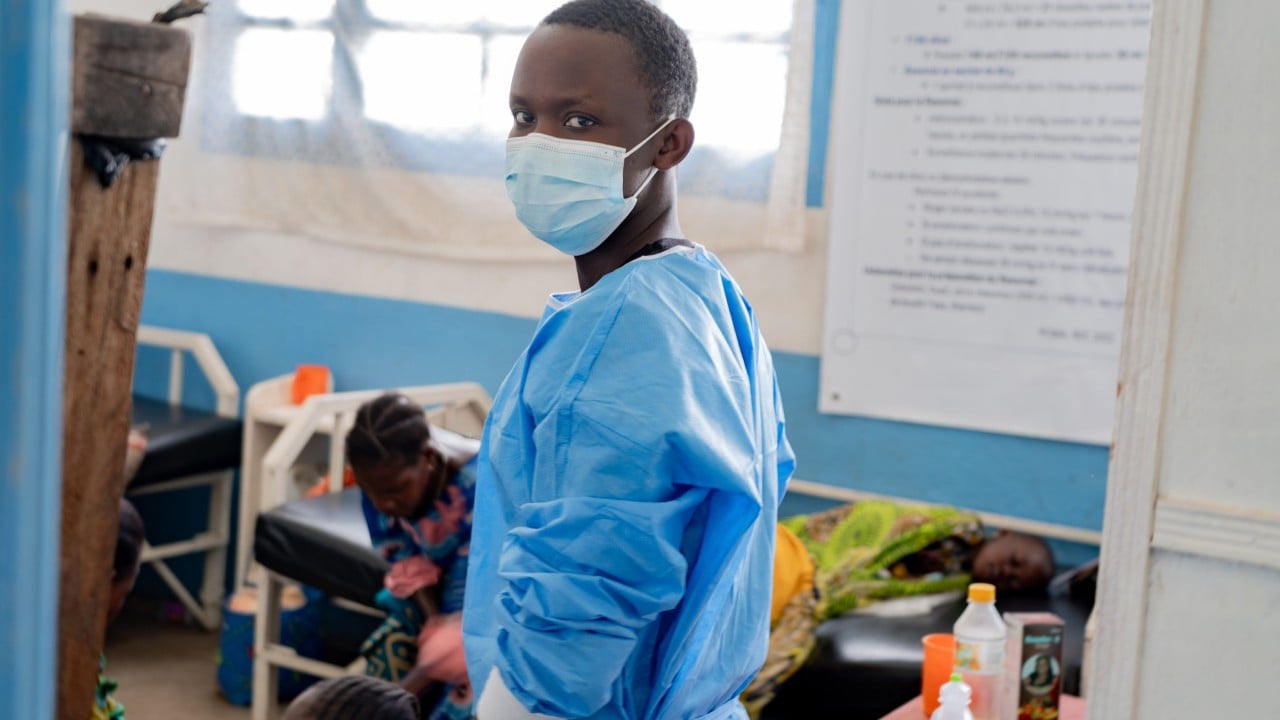
There are no approved vaccines or specific therapeutic treatments for the Bundibugyo strain. The vaccines used to fight previous outbreaks in West Africa target the Zaire strain, leaving doctors with fewer options this time. The WHO has already noted that the true size of the outbreak is likely much larger than official numbers show, with over 250 confirmed or suspected cases and at least 80 deaths in the DRC alone.
Because the virus spreads through direct contact with bodily fluids, catching it early at international transit hubs is the only reliable way to stop global transmission.
Inside the Airport Screening Strategy
Hong Kong International Airport has already deployed port health officers to execute targeted health screenings. If you are flying into the city from Africa, expect a slower walk to immigration.
The Centre for Health Protection has a specific gap to plug. There are no direct flights connecting Hong Kong to the DRC or Uganda. Most passengers coming from those regions choose to transit through major African hubs, particularly Addis Ababa in Ethiopia. Because of this, health authorities are tightening screening measures for passengers arriving on flights from across the entire African continent.
Port health officers are setting up checkpoints directly at flight gates to run temperature checks. They aren't just relying on thermal scanners at immigration anymore. They want to catch symptomatic passengers before they even step into the main terminal.
If a traveller shows symptoms or triggers a temperature alarm, the protocol is quick. They get sent straight to a public hospital for isolation and testing. They won't see the city until their lab results come back completely negative.
A Playbook Built on Scar Tissue
Hong Kong's aggressive stance isn't panic. It's muscle memory. Since July 2008, viral haemorrhagic fevers like Ebola have been classified as notifiable infectious diseases under local law. Every doctor and hospital is legally required to report even a suspected case to the government immediately.
The city operates on a three-tier response mechanism: Alert, Serious, and Emergency. Moving to the Alert level triggers a chain reaction behind the scenes:
- The Centre for Health Protection sends formal alert letters to every registered medical practitioner in the city.
- The Airport Authority and local airlines receive real-time epidemiological updates to train cabin crews on spotting sick passengers.
- Boundary control points switch on public broadcast announcements and health education posters.
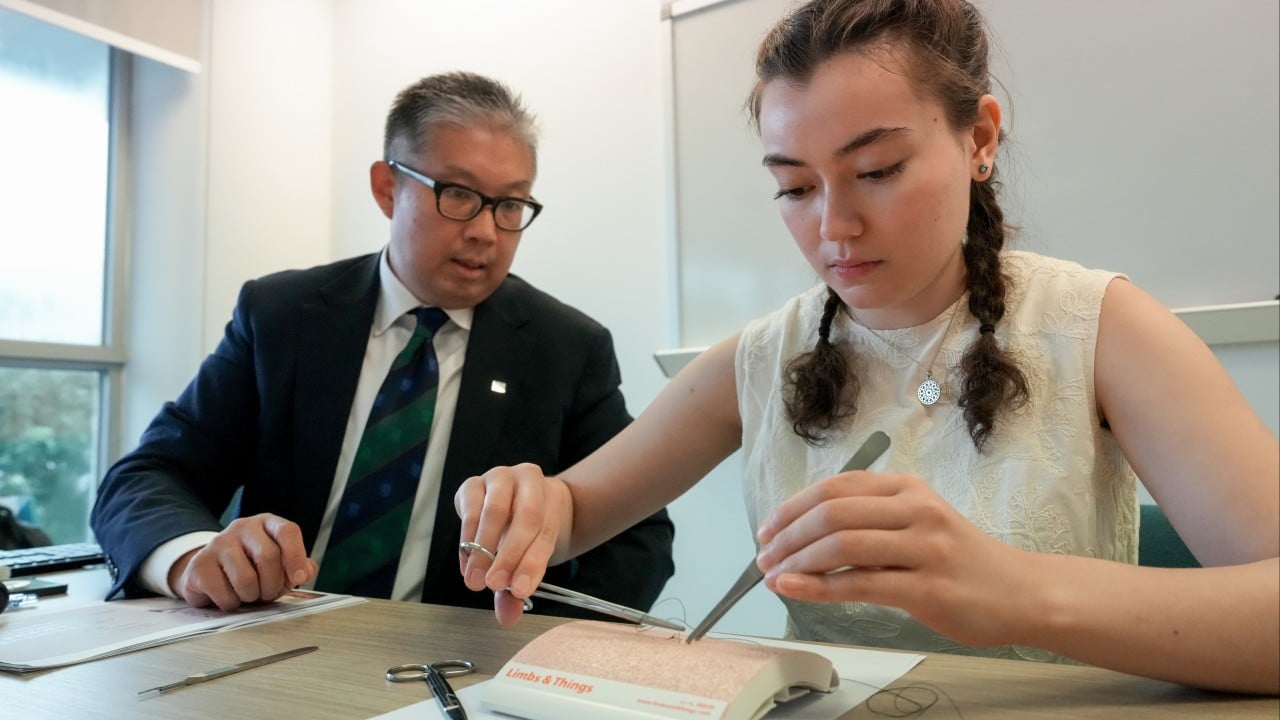
Local hospitals have been running simulated drills for years to handle highly infectious patients without cross-contaminating wards. They treat a potential outbreak as an inevitability rather than a remote possibility.
What Travellers Need to Do Right Now
If you have upcoming travel plans, you need to adjust your habits immediately. The official advice from health authorities is simple: avoid visiting the affected regions in the DRC and Uganda unless it's absolutely necessary.
If you must travel through or near these areas, your daily routine has to change. Wash your hands constantly with liquid soap or an alcohol-based hand rub. Do not touch your eyes, nose, or mouth unless you just sanitized your hands.
More importantly, monitor your health for 21 days after returning to Hong Kong. If you develop a fever, severe headache, muscle pain, vomiting, or unexplained bruising, don't walk into a random private clinic. Call emergency services, explain your travel history clearly, and let an isolated ambulance transport you to a designated public facility. Taking a taxi or a subway while symptomatic puts everyone around you at risk.