The hand-wringing in Riyadh and Abu Dhabi over a potential US-Iran nuclear thaw isn't about security. It’s about a desperate clinging to a subsidized defense model that has reached its expiration date. The "golden grip" narrative—the idea that Tehran will suddenly own the Strait of Hormuz if Washington stops playing regional policeman—is a convenient fiction designed to keep American taxpayers on the hook for Gulf security.
Mainstream analysts love to paint the Strait of Hormuz as a fragile windpipe. They argue that any diplomatic easing will embolden Iran to squeeze it shut. This is a fundamental misunderstanding of how power and survival work in the Persian Gulf. Iran doesn't want to close the Strait. They want to be the ones who decide who gets to pass through it comfortably. There is a massive difference between a blockade and a tollbooth.
The Blockade Fallacy
Let’s dismantle the biggest lie first: the threat of a total Hormuz shutdown.
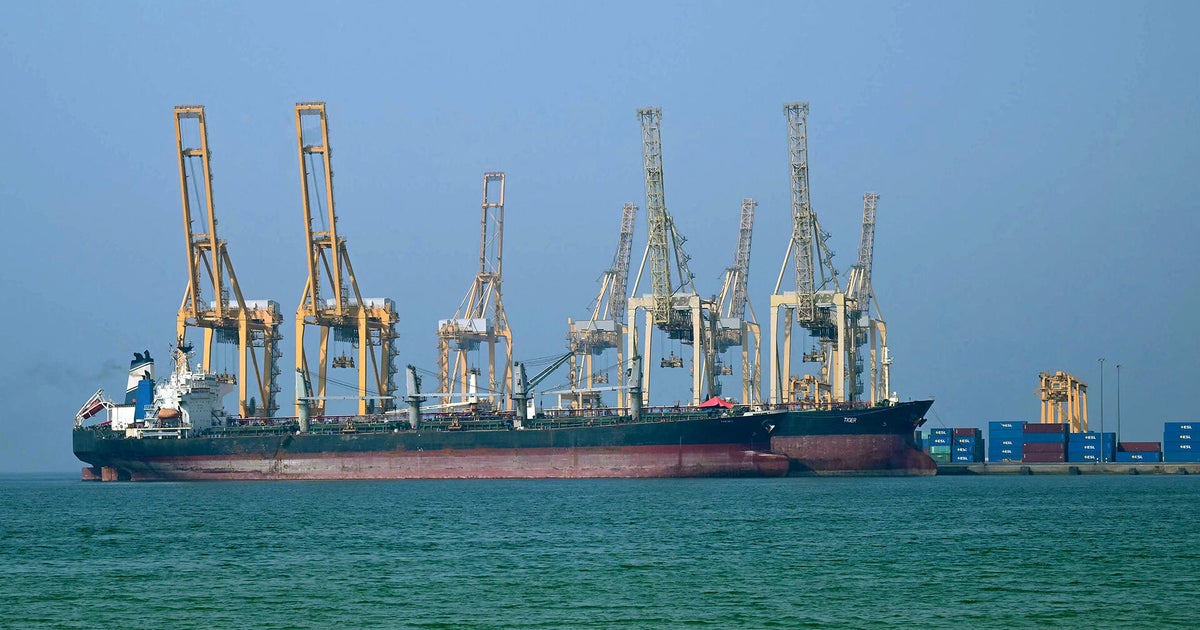
Closing the Strait of Hormuz is the geopolitical equivalent of a suicide vest. Iran’s economy, already battered by decades of sanctions, relies on the same water for its own exports. If the IRGC sinks a VLCC (Very Large Crude Carrier) in the shipping lanes, they don't just starve the world of oil; they starve themselves of the hard currency needed to keep their regime afloat.
Furthermore, the technical reality of "closing" a 21-mile-wide waterway is vastly overstated. You don't just flip a switch. You have to contend with the US Fifth Fleet, mine-sweeping operations, and the immediate, kinetic intervention of every major global economy, including China—Iran’s biggest customer. Beijing isn't going to sit idly by while their energy security is used as a bargaining chip in a regional grudge match.
The fear isn't that Iran will close the Strait. The fear is that a US-Iran deal makes Iran a "normal" regional power, which strips the Gulf monarchies of their unique status as the only "reliable" partners in the neighborhood.
The Subsidized Security Addiction
For decades, the GCC (Gulf Cooperation Council) has operated under a simple, albeit lazy, premise: we provide the oil, you provide the guns. This arrangement worked when the US was energy-dependent. It doesn’t work in an era where the US is the world’s leading oil producer.
The frantic lobbying against US-Iran talks is a sign of withdrawal. The Gulf states have spent billions on high-end hardware—F-15SAs, THAAD batteries, and Littoral Combat Ships—yet they still tremble at the thought of a diplomatic handshake between a State Department official and a mid-level Iranian diplomat.
Why? Because their entire defense architecture is a house of cards built on American intervention. Without the "Iranian Bogeyman" being kept in a permanent state of pariahdom, the massive US military footprint in places like Al Udeid or Bahrain becomes harder to justify.
The Cost of Status Quo
Imagine a scenario where the US actually achieves a "longer and stronger" deal with Tehran.
- Oil Volatility Drops: Risk premiums associated with "tensions in the Gulf" evaporate. This is bad for short-term speculators but great for global economic stability.
- Regional Arms Race Slows: If Iran is brought back into the fold, the justification for the $100 billion annual spend on Western arms by GCC states begins to look like a massive accounting error.
- Internal Reform Pressure: Without an external "existential threat," Gulf populations might start asking more pointed questions about domestic spending and civil liberties.
The status quo isn't "security." It’s an expensive, managed conflict that serves the military-industrial complex and the egos of regional autocrats.
Why a Deal is Actually Good for Business
The "Hormuz Grip" fear ignores the most potent weapon in the 21st century: economic integration.
A Tehran that is integrated into the global financial system is a Tehran that can be disciplined by markets rather than missiles. Right now, Iran has nothing to lose. When you have nothing to lose, you harass tankers and seize ships. When you have billions in frozen assets unlocked and a burgeoning middle class demanding imported goods, you suddenly care very much about the "freedom of navigation."
The Gulf worries that a deal "cements" Iran’s grip. I argue it checks it. Dependency on global trade is the most effective leash ever invented.
The "People Also Ask" Reality Check
Does Iran control the Strait of Hormuz?
Physically, they sit on one side of it. Legally, it's an international waterway governed by the UN Convention on the Law of the Sea (UNCLOS), even if Iran hasn't ratified it. In reality, control is a shared hallucination maintained by naval presence.
Would a nuclear deal make the Gulf less safe?
Only if you define "safe" as "US troops dying for your oil." A deal forces the Gulf to do the one thing they’ve avoided for 40 years: engage in direct, regional diplomacy. You cannot outsource your neighborhood watch forever.
The Pivot to Reality
Stop looking at the Strait as a tactical chokepoint and start looking at it as a commercial asset. The real "golden grip" isn't Iranian—it’s the grip of the outdated 1979-era mindset that says any Iranian gain is a regional loss.
The GCC has shown it can be agile. Look at the Abraham Accords. Look at the Saudi-Iran normalization brokered by China. These moves prove that the regional players know the US is halfway out the door. The panic over US-Iran talks is just the last gasp of a lobby that doesn't want to pay its own security bill.
The US should stop apologizing for talking to its enemies. If the Gulf states are worried about Iran’s influence, they should compete with it. They have the capital, the infrastructure, and the global partnerships. If they can't out-compete a country that has been under crushing sanctions for decades without a US aircraft carrier hovering nearby, that’s not a geopolitical crisis—it’s a management failure.
The "golden grip" is a ghost story told to keep the arms sales flowing. It's time to stop being afraid of the dark and start building a regional security framework that doesn't require a Washington zip code to function.
Grow up. Negotiate. Or get out of the way.