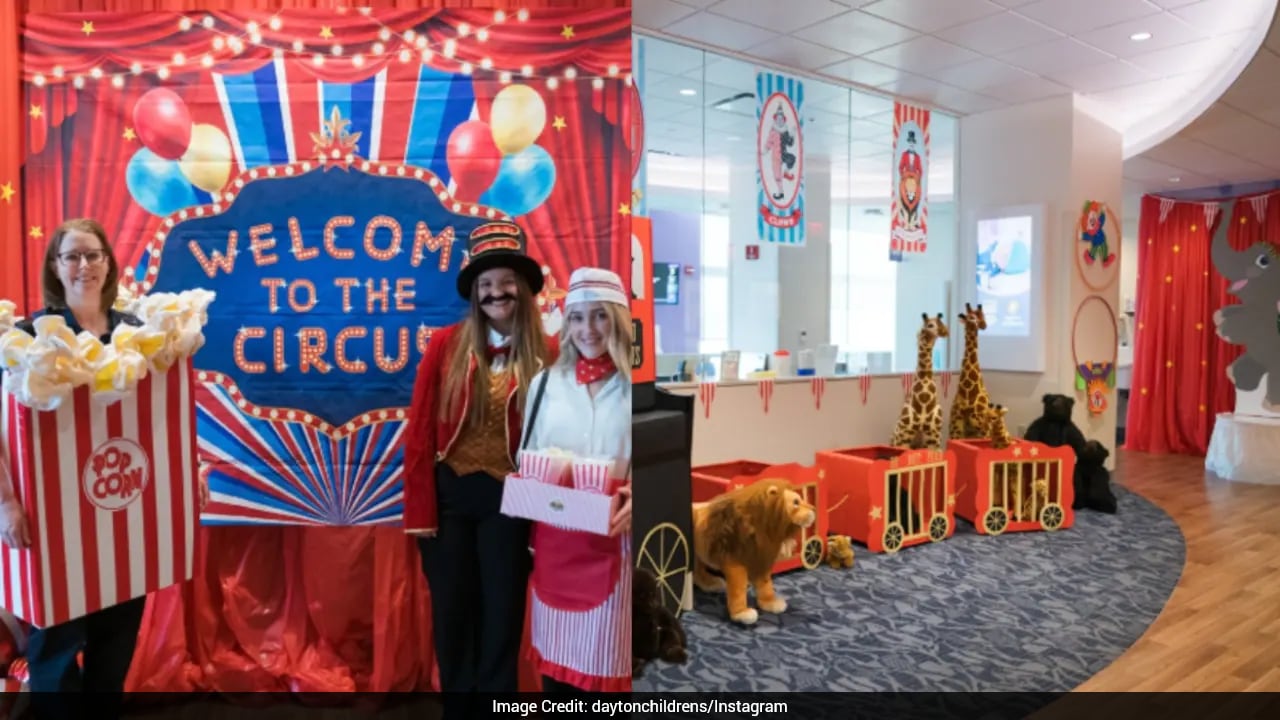
Spending your baby's first October behind glass and medical monitors is brutal. Every parent dreams of pumpkin patches and tiny costumes, not beepers, feeding tubes, and sterile hallways. That's exactly why a US hospital giving babies a circus-themed Halloween makeover hits so hard—and why it matters way beyond a cute viral photo.
Most people scroll past these stories, drop a heart emoji, and move on. They think it's just nurses having fun during a slow shift. They're wrong. Having worked around healthcare communications and spoken with pediatric nurses over the years, I can tell you these bedside traditions are deliberate, carefully engineered emotional lifelines for families drowning in clinical stress.
When a neonatal intensive care unit (NICU) transforms tiny isolettes into miniature big-top tents, lions, and ringmasters, it's doing something standard medicine can't. It gives parents back a sliver of normalcy.
What Actually Happens During a NICU Halloween Makeover
You can't just buy a polyester costume off a drugstore rack and slap it on a premature infant. Preemies have fragile skin, tangled wires, and strict temperature regulation needs. A standard zipper or rough seam can cause real harm.
Instead, NICU nurses, child life specialists, and community volunteers spend weeks crafting custom, medical-grade outfits. In a circus-themed makeover, you'll see felt lion manes tucked safely around CPAP caps, crocheted strongman dumbbells resting beside tiny hands, and paper-crafted ringmaster hats taped gently to the outside of an incubator rather than touching the baby's head.
The rules in these units are strict:
- Zero interference with lines. Every costume piece must leave umbilical catheters, IV lines, and pulse oximeters completely accessible.
- Breathable, hypoallergenic materials. Soft felt, sterile gauze, and medical tape replace elastic bands and synthetic fabrics.
- No overheating. Preemies struggle to regulate body heat, so heavy layers are strictly off-limits.
- Parental consent first. Nurses always ask families before dressing their child, letting parents choose the theme or participate in the setup.
It's a logistical puzzle disguised as arts and crafts.
Why US Hospitals Lean Into Themed Makeovers Like the Circus
A circus theme isn't random. Hospitals like Saint Luke's in Kansas City, Advocate Children's Hospital in Illinois, and Texas Children's have all gained national attention for coordinated NICU themes—ranging from superheroes and storybook characters to full circus rings.
Why the circus? Because it naturally accommodates different medical setups.
A baby under phototherapy lights becomes a glowing circus spotlight act. Twins sharing a pod become acrobats or matching circus animals. A baby who needs extra quiet time gets a "sleeping lion" sign hung outside the glass. Every child gets included regardless of how fragile their condition is on October 31.
Honestly, the best part isn't even the costumes. It's the shift in the room's energy. For a few hours, the conversation switches from oxygen saturation percentages and bilirubin levels to laughing about whether a baby looks better as a tiny clown or a bearded lady.
The Real Psychological Impact on NICU Parents
Let's look at the actual numbers behind the NICU experience. According to the March of Dimes, roughly 1 in 10 babies in the United States is born prematurely each year, and hundreds of thousands spend time in neonatal intensive care.
Research published in JAMA Pediatrics and tracked by organizations like the American Academy of Pediatrics consistently shows that NICU parents experience rates of acute stress disorder and postpartum depression significantly higher than parents of full-term, healthy newborns. Some studies estimate that up to 40% of NICU mothers show clinically significant symptoms of depression or trauma.
When your baby is hospitalized, you lose your parental milestones. You don't get the first bath at home. You don't get the first stroller walk. You don't get to dress them up and show them off to neighbors.
That loss of control eats away at you.
A hospital Halloween makeover interrupts that grief cycle. When a nurse hands a mother a Polaroid of her two-pound son wearing a felt ringmaster bowtie, that mother stops feeling like a helpless bystander in a medical facility. She feels like a mom celebrating Halloween.
Bonding Under Fluorescent Lights
Skin-to-skin contact, known as kangaroo care, is the gold standard for parent-infant bonding in the NICU. Sometimes, a baby is too unstable to be held.
Themed events create an alternative bridge. Parents help pick out the props. They take photos to send to grandparents who aren't allowed inside due to infection control protocols. Those photos become the first normal baby pictures in the family album—images that aren't dominated entirely by medical hardware.
What Most People Miss About the Nursing Staff
Here's the part that rarely makes the local news segments. The nurses organizing these circus makeovers are usually doing it off the clock.
Pediatric and neonatal nurses face staggering burnout rates. Watching tiny patients fight for every breath takes a heavy toll. Organizing a unit-wide Halloween celebration isn't just charity for the parents—it's self-preservation for the staff.
Nurses stay after twelve-hour shifts cutting felt stars with craft scissors. They raid fabric stores on their weekends. They coordinate with local sewing guilds and March of Dimes chapters to make sure every single crib has something custom.
If you've never spent time in a pediatric ward, it's easy to dismiss this as fluff. Once you've seen a burned-out nurse light up because a stressed-out dad finally smiled at his baby's tiny circus peanut costume, you realize it's essential healthcare.
Safety Misconceptions Around Hospital Baby Costumes
Whenever viral photos of dressed-up NICU babies circulate online, the comment sections inevitably fill up with armchair critics. People worry about germs, suffocation hazards, or nurses wasting time.
Let's clear that up directly.
First, infection control in a Level III or Level IV NICU is airtight. Anything brought into the unit is either brand new, laundered according to hospital protocols, or placed strictly outside the isolette. Items aren't reused between babies. Families keep the costumes as keepsakes when they discharge.
Second, these photos take about ninety seconds to capture. Nurses aren't neglecting vital signs to run a photo studio. Often, hospital volunteer photographers or child life specialists handle the camera while nurses monitor the baby's stats the entire time.
Third, safety always overrides aesthetics. If a baby's heart rate dips or they show signs of overstimulation, the costume comes off immediately. Preemies have immature nervous systems, so hospital teams watch closely for subtle stress cues like splayed fingers or color changes.
How You Can Actually Support Your Local NICU
Reading a heartwarming story about a circus-themed hospital makeover is nice, but if you want to do something useful with that feeling, skip the generic social media share. Hospitals have very specific needs, and showing up with random store-bought plush toys usually gets turned away at the front desk due to allergy and hygiene rules.
If you want to help NICU families and nurses pull off moments like these, take these exact steps:
- Contact the hospital's Child Life Department directly. Ask for their current wish list before buying anything. They'll tell you whether they need preemie-sized cotton onesies, plain white bodysuits for crafting, or non-toxic craft supplies.
- Donate gift cards for parents, not just baby gear. Gas cards, coffee shop vouchers, and local food delivery gift cards keep families afloat when they're living out of a hospital waiting room for months.
- Connect with local sewing or crochet groups. Organizations like Threads of Love and local hospital auxiliary chapters regularly supply NICUs with safe, pattern-approved knit caps and seasonal outfits.
- Sponsor a meal for the night shift. Daytime staff usually get the bulk of community donations, while overnight NICU nurses keep the unit running with half the recognition.
Reach out to your nearest children's hospital foundation this week, ask for their Child Life wish list, and send over something they actually requested.