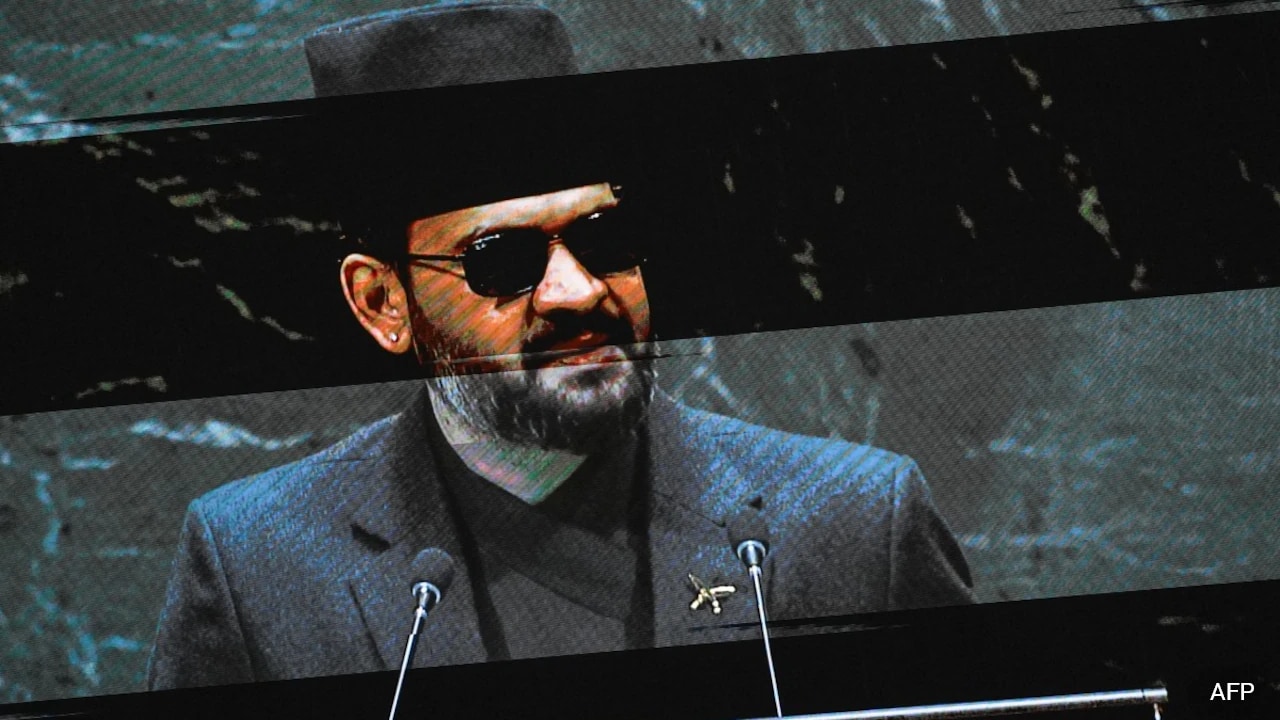
Every time Washington or another major capital throws a fit about the International Criminal Court, mainstream media outlets like Reuters rush to publish the same predictable post-mortem. The narrative always runs on autopilot. A politician issues a bold directive telling sovereign nations to sever ties with the tribunal. A handful of states shrug and stay put. Headlines declare a diplomatic failure. Pundits sigh over the limits of Western leverage.
The analysis is lazy, superficial, and entirely misses the point of how global power actually operates.
Focusing on whether foreign states followed a high-profile exit command misses the real dynamic. The court in The Hague is not a moral beacon being defended or abandoned by brave states. It is a slow-moving, politically compromised bureaucracy that serves as a convenient scapegoat for leaders who want to project toughness without paying any actual geopolitical costs. When commentators obsess over who followed whom out the door, they fall right into a theatrical trap. They treat a public relations maneuver like a strategic doctrine.
Let us look at the mechanics of how international tribunals survive. Institutions like the ICC do not persist because nations genuinely fear their prosecutorial reach. They persist because powerful actors find utility in keeping a toothless, highly bureaucratized accountability mechanism humming in the background. It provides the illusion of a rules-based order while insulating actual decision-makers from genuine consequence.
When a superpower demands that allies abandon an international body, nobody expects a mass exodus. That is not the design. The command is meant for domestic consumption, signaling resolve to a domestic base while diplomats quietly ensure that the institution remains weak enough to ignore when national interests clash with international law.
I have watched foreign policy analysts spend decades treating diplomatic posturing as literal truth, mapping out alliances and defections as if international relations were a game of high school clique politics. It is not. It is an arena of raw interest, where legalistic bodies are deployed or discarded depending on which way the political wind blows.
Look at how the court itself operates. To call its docket selective is an understatement. For years, critics pointed out its overwhelming focus on African nations, a structural bias that turned the tribunal into a punchline across much of the Global South. When the court finally attempted to expand its gaze to conflicts involving major Western allies or their adversaries, the backlash from those very same capitals was immediate and vicious. Sanctions were threatened. Judges were harassed. Visa restrictions were floated.
Yet, when the dust settles, the court stays open. Why? Because the very states that threaten to crush it recognize its utility. Having a permanent court creates a permanent industry of legal experts, investigators, and administrators who validate the narrative that global justice is always just around the corner, provided everyone behaves. It is a pressure valve. It channels genuine anger over atrocities into endless bureaucratic filings, jurisdictional debates, and appeals that stretch out for decades until the victims are dead and the perpetrators have retired to quiet coastal estates.
The mainstream debate asks why governments refuse to obey directives to leave the court. The better question is why anyone believes membership or non-membership changes the calculus of state violence by even a fraction of a percent.
Consider the realpolitik of state sovereignty. No government with an active nuclear arsenal or a dominant regional military cares about an arrest warrant issued by judges who command zero divisions. When leaders calculate whether to launch a military campaign, they do not check if the ICC has jurisdiction. They check logistics, supply lines, domestic political support, and the reaction of rival superpowers. To pretend otherwise is to engage in a comforting fairy tale.
This brings us to the core misconception that underpins almost every piece of commentary on international law: the belief that institutions constrain power.
Power constrains institutions. Always. The moment an international body attempts to hold a truly vital national security interest of a great power accountable, that body is either neutered or ignored. We saw this when major powers openly dismissed investigations into their own conduct, deploying economic and political muscle to shut down inquiries before they could gain traction.
So why do states bother joining or staying? For the same reason corporations sign voluntary ESG pledges or commit to ambitious climate goals that they have no intention of meeting on a strict timeline. It is cheap signaling. It buys diplomatic breathing room. It allows a mid-sized nation to posture as a champion of human rights on the international stage while continuing business as usual behind closed doors.
When a politician tells allied nations to quit the ICC, they are usually playing to a domestic gallery that hates multilateral organizations. When those allies decline to follow suit, they are doing a different kind of calculus. They realize that being inside a dysfunctional institution gives them a seat at the table to block inconvenient motions, while leaving offers zero protection if a larger state decides to lean on them.
The media treats these diplomatic friction points as evidence of a fracturing global consensus. There was never a consensus. There was only a temporary convergence of convenience during the post-Cold War unipolar moment, when Washington and its partners could write the rules, staff the tribunals, and assume nobody else would ever be powerful enough to challenge the framework.
That moment is over. We live in a multipolar reality where regional powers routinely ignore Western legal frameworks, not out of ideological malice, but because those frameworks were never designed to check their ambitions in the first place.
If you want to understand why countries ignore edicts to abandon international courts, stop looking at legal texts and start looking at balance-sheet geopolitics. Nations do not sacrifice strategic autonomy for the sake of consistency. They protect their interests with whatever tools are closest to hand, whether that means praising a court when it targets an adversary or denouncing it when it inconveniences an ally.
The next time a headline breaks about a government ordering a mass withdrawal from an international body, do not waste time tracking who follows instructions. Watch what happens to the trade deals, the intelligence-sharing agreements, and the arms shipments. That is where the real decisions are made. The rest is just noise designed to keep the commentariat busy while the powerful do as they please.